
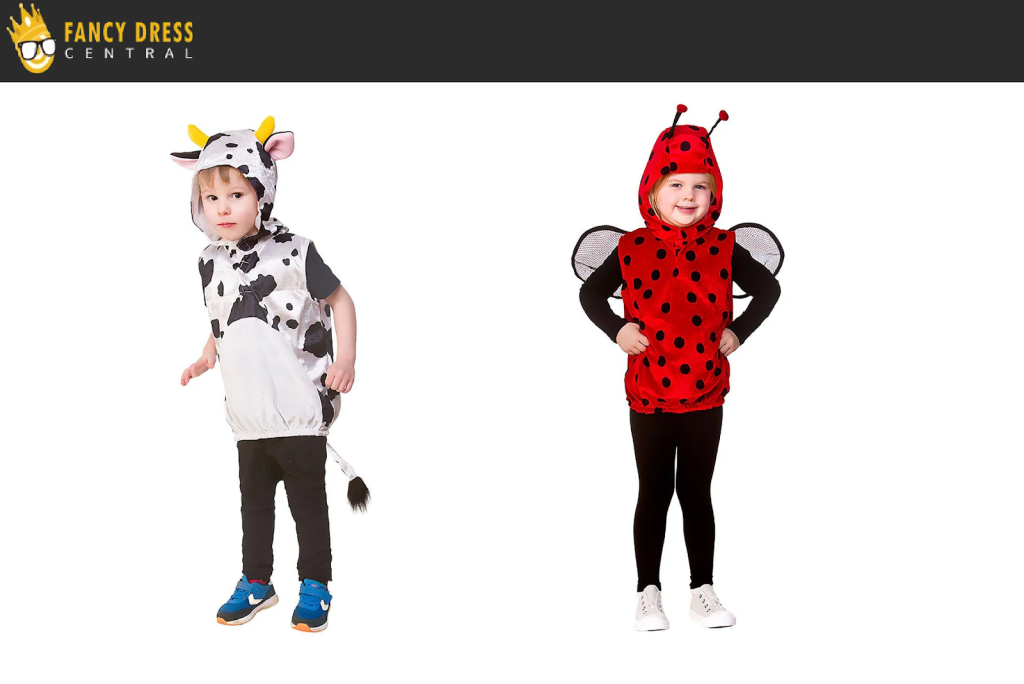
Themed costumes have long been associated with celebrations, yet their role has expanded far beyond traditional parties. Today, dressing according to a theme appears across schools, workplaces, community events, and seasonal gatherings, reflecting a broader cultural shift toward expressive experiences. Costumes are no longer reserved for isolated occasions but are woven into social rituals that encourage creativity and participation. This growth highlights how themed dressing supports connection and shared enjoyment.
Modern lifestyles increasingly value experiences over material displays, and themed dressing aligns naturally with this preference. Wearing a costume allows individuals to step outside daily routines and explore different identities in a playful, socially acceptable way. Whether the setting is a school celebration, corporate event, or family gathering, costumes help create a sense of occasion that feels memorable rather than ordinary. This emotional impact explains why themed dressing continues to appeal across generations.
Another factor behind the popularity of themed costumes is their accessibility. With a wide range of styles, budgets, and levels of effort available, participation feels inclusive rather than exclusive. Individuals can interpret themes in subtle or bold ways depending on comfort and confidence. This flexibility ensures that themed events remain welcoming to both enthusiastic participants and those who prefer understated involvement.
As society places greater emphasis on social connection and personal expression, themed costumes serve as tools that bring people together. They encourage conversation, laughter, and shared storytelling, creating environments where individuals feel more relaxed and engaged. Across age groups and settings, themed dressing continues to thrive because it transforms ordinary gatherings into experiences rooted in creativity, connection, and enjoyment.
The Psychology Behind Dressing Up and Self-Expression
Dressing up taps into fundamental aspects of human psychology related to identity and expression. Costumes provide a temporary escape from everyday roles, allowing individuals to explore different sides of themselves without long-term commitment. This sense of freedom can be both refreshing and empowering, particularly in environments that often emphasize conformity. By stepping into a costume, people give themselves permission to play.
Self-expression through dress has always been a powerful form of communication. Costumes amplify this by allowing individuals to convey interests, humor, or creativity in a visually engaging way. The act of choosing a costume becomes an extension of personal storytelling. Even simple outfits can reflect personality traits or emotional states, making themed dressing deeply personal despite its social setting.
Psychologists often note that play is not limited to childhood. Adults benefit from playful activities that reduce stress and encourage emotional release. Dressing up provides a socially accepted outlet for this type of play. In group settings, shared themes strengthen social bonds by creating a sense of belonging and collective participation.
Children experience similar psychological benefits, though often more openly. Costumes support imaginative play, role exploration, and confidence building. When adults participate alongside children, these experiences become shared moments rather than isolated activities. Across ages, the psychological appeal of dressing up lies in its ability to blend creativity, identity exploration, and social connection in a way that feels natural and enjoyable.
Children vs Adult Costume Preferences: Key Differences
Costume preferences differ significantly between children and adults due to varying motivations, comfort needs, and social expectations. Children often prioritize imagination and character recognition when selecting costumes. Bright colors, familiar figures, and playful designs capture their attention and support imaginative play. Comfort matters, but visual impact and character identity usually come first.
Adults, on the other hand, tend to approach costume selection with practicality and context in mind. Social settings, time constraints, and personal comfort influence decisions more strongly. Many adults prefer costumes that balance creativity with wearability, ensuring they feel confident rather than self-conscious. Subtlety often replaces exaggeration, especially in workplace or mixed-age environments.
Another key difference lies in how themes are interpreted. Children typically embrace literal representations, wanting to look exactly like a chosen character. Adults are more likely to adopt abstract or humorous interpretations that reference a theme without fully embodying it. This flexibility allows adults to participate while maintaining a sense of personal style.
Despite these differences, fancy dress events successfully bring generations together by offering room for varied interpretations. When themes allow both detailed and understated approaches, participation feels inclusive. Understanding these preference differences helps event planners and families choose themes that resonate across age groups, ensuring that everyone can engage comfortably and creatively.
Seasonal Themes That Never Go Out of Style
Seasonal themes play a central role in the enduring popularity of costume events. Certain times of year naturally invite dressing up, creating predictable yet eagerly anticipated opportunities for creative expression. Autumn celebrations, winter festivities, spring events, and summer parties each bring familiar themes that feel comforting rather than repetitive. This seasonal rhythm helps costumes remain relevant across years.
One reason seasonal themes endure is their strong emotional associations. Many people connect specific outfits with childhood memories, family traditions, or shared cultural moments. Repeating these themes each year reinforces a sense of continuity and belonging. Even when details change, the core ideas remain recognizable and reassuring.
Seasonal themes also provide clear creative boundaries, which many people find helpful. Having a defined framework reduces decision fatigue and makes participation feel manageable. Individuals can choose to follow traditional interpretations or update them with modern touches. This balance between familiarity and novelty keeps seasonal dressing engaging.
From an organizational perspective, seasonal themes simplify planning for schools, workplaces, and community groups. Predictability allows for better preparation and inclusivity. Over time, these recurring themes become part of collective identity, ensuring their place in social calendars year after year.
How Social Media Influences Costume Trends
Social media has transformed the way people approach costume design and themed dressing. Platforms that prioritize visual content allow users to share their creative outfits instantly with a global audience. This exposure spreads ideas quickly, inspiring individuals to experiment with new styles and concepts. Costume culture has become more dynamic as trends evolve at unprecedented speed. The accessibility of online inspiration has made themed dressing more inclusive and engaging for all ages.
- Rapid Trend Dissemination: Social media enables costume trends to spread far beyond local communities. An outfit shared in one city can quickly inspire followers across the globe. This rapid circulation allows ideas to evolve and reach audiences who may not have encountered them otherwise.
- Focus on Originality and Presentation: Online platforms emphasize the visual impact of costumes, encouraging users to prioritize creativity and detail. Costumes are often designed with photography in mind, highlighting intricate elements and unique interpretations. This focus raises expectations while promoting inventive designs that stand out.
- Democratization of Inspiration: Social media showcases not only professional costume designers but also everyday participants. Individuals of all skill levels can contribute ideas, making inspiration more accessible. This democratization encourages experimentation and personal adaptation of popular themes.
- Influence on Comfort and Practicality: Even as creativity is emphasized, comfort remains a consideration for participants sharing costumes online. Outfits that photograph well are often balanced with practical wearability. This balance ensures that costumes are enjoyable to wear while still visually striking.
- Dynamic Trend Cycles: Trends on social platforms evolve quickly, creating both excitement and pressure. Costume enthusiasts can observe rapid innovation and reinterpretation of themes. By selectively drawing inspiration, participants maintain creativity without becoming overwhelmed by constant changes.
In conclusion, social media has significantly shaped modern costume trends by spreading ideas rapidly and promoting originality. It has made themed dressing more accessible, allowing participants of all backgrounds to experiment and contribute. While trends evolve quickly, the balance between visual impact and comfort ensures enjoyable experiences. Online platforms also foster a sense of community through shared creativity and recognition. Overall, social media has turned costume culture into a dynamic, engaging, and inclusive form of self-expression.
Choosing the Right Fancy Dress for Different Occasions
Selecting an appropriate costume depends heavily on the context of the event. School functions, workplace gatherings, private parties, and public celebrations each carry different expectations. Understanding these settings helps individuals choose outfits that feel comfortable and respectful. A well-chosen costume enhances enjoyment rather than causing self-consciousness.
Consideration of audience is essential. Events involving mixed age groups often benefit from versatile themes that allow varied interpretations. Subtle or symbolic costumes may suit formal environments, while bold designs fit informal settings. Matching tone to context ensures positive reception.
Practical factors such as duration and activity level also influence choices. Costumes worn for extended periods should allow movement and comfort. Materials, fit, and accessories all affect wearability. Planning with these factors in mind prevents fatigue or irritation.
Online retailers like Fancy Dress Central support this decision-making by offering a broad selection suitable for diverse occasions. With costumes and accessories designed for both adults and children, along with dependable service and accessible pricing, such platforms help individuals find appropriate options with confidence. The availability of trusted brands and consistent sizing further simplifies the process.
Comfort, Sizing, and Material Considerations
Comfort is a defining factor in whether a costume enhances or detracts from an event experience. Regardless of appearance, an uncomfortable outfit quickly becomes a distraction. Breathable fabrics and thoughtful construction allow wearers to focus on social interaction rather than physical discomfort. Comfort supports confidence and enjoyment.
Proper sizing is equally important. Costumes that are too tight or overly loose can restrict movement or require constant adjustment. Clear sizing guides and flexible fits help accommodate different body types. Adjustable elements provide added reassurance for extended wear.
Material choice influences both comfort and durability. Soft linings, lightweight textiles, and secure fastenings contribute to a positive experience. Materials should also suit the environment, whether indoors or outdoors.
By prioritizing comfort, sizing accuracy, and material quality, costume wearers ensure that themed dressing remains enjoyable. These considerations support participation across ages and settings, reinforcing the idea that costumes should feel as good as they look.
Last-Minute Costume Ideas That Still Impress
Last-minute costume preparation is a challenge many people face, especially during busy periods or spontaneous events. Despite limited time, it is possible to create outfits that are both impressive and comfortable. The key is to focus on simplicity, recognisability, and a few defining elements that convey the theme effectively. Thoughtful planning, even under time pressure, allows costumes to appear intentional rather than hastily thrown together. With the right approach, quick preparations can be as creative and satisfying as carefully planned designs.
- Prioritize Recognisable Themes: Choosing a clear, well-known character or theme makes last-minute costumes more effective. Recognisable elements allow others to immediately understand the concept. This strategy reduces the need for elaborate construction while maintaining visual impact.
- Focus on Simple Concepts: Outfits based on colour coordination, minimal accessories, or familiar clothing styles are easier to assemble. A few defining pieces can create a cohesive look without adding complexity. Simple approaches also save time and reduce stress for the wearer.
- Use Accessories Strategically: Props, hats, masks, or themed items can transform ordinary clothing into a complete costume. One strong visual cue often communicates the theme more effectively than a complicated outfit. Accessories provide flexibility, allowing individuals to improvise with what is available at home.
- Comfort and Confidence Matter: How a costume feels has a direct impact on its success. Wearing an outfit comfortably and naturally leaves a stronger impression than a cumbersome, elaborate design. Confidence allows the personality to shine, enhancing the overall effect.
- Adaptable Components Enhance Creativity: Using versatile pieces that can serve multiple purposes encourages creativity under time constraints. Scarves, jackets, or simple clothing items can be reimagined to suit various characters. This adaptability ensures that last-minute planning remains fun and engaging.
In conclusion, last-minute costumes can be both impressive and enjoyable with careful attention to simplicity and key elements. Prioritising recognisable themes and strategic accessories allows for creative expression without extensive preparation. Comfort and confidence elevate the overall impact of the outfit. Flexible components make improvisation easier and less stressful. Ultimately, spontaneity can inspire creativity, proving that quick planning does not mean sacrificing style or effectiveness.
Mix-and-Match Outfit Concepts for Versatility
Versatile costume planning allows individuals to maximise value while reducing the need for repeated purchases. Mix-and-match concepts focus on reusable base pieces that adapt to different themes through accessories or styling changes. This approach supports both creativity and practicality across multiple events. It also encourages thoughtful wardrobe planning rather than one-time use.
Neutral clothing items form the foundation of versatile costumes. Simple garments such as plain tops, trousers, or dresses can be reinterpreted with minimal effort. Accessories introduce character and theme without requiring full outfit changes. This method keeps options open while simplifying preparation.
Mix-and-match concepts also support personal expression. Individuals can adjust details to suit comfort levels or event tone. Small changes in colour, layering, or accessories create distinct looks from the same base. This flexibility empowers creativity without increasing complexity.
Families particularly benefit from this approach when planning for multiple events throughout the year. Shared accessories or adaptable garments reduce storage needs and expense. Over time, a curated collection of versatile pieces supports ongoing participation in themed events. Mix-and-match planning proves that creativity and efficiency can work together seamlessly.
Storage and Reuse of Fancy Dress Costumes
Proper storage extends the life of costumes and preserves their appearance for future use. Without care, fabrics can crease, fade, or deteriorate between events. Thoughtful storage protects both investment and usability. It also makes future costume planning easier and more efficient.
Cleanliness is the first step before storage. Ensuring costumes are washed or aired according to material guidelines prevents odours and fabric damage. Proper drying reduces the risk of mildew or discoloration. These steps help maintain comfort and hygiene.
Storage solutions should suit the costume type. Hanging garments prevent creasing, while boxed accessories stay organised and protected. Labelled containers simplify retrieval and encourage reuse. This organisation saves time when future events arise.
Reusing costumes supports sustainability and budgeting goals. Well-maintained outfits can serve multiple purposes across different themes. Storage becomes part of responsible costume ownership. By caring for costumes properly, individuals extend their usefulness while reducing unnecessary consumption.
Encouraging Creativity Through Dress-Up Play
Dress-up play remains a powerful tool for creative development across all ages. Costumes provide a structured way to explore imagination while engaging socially. Through role-play, individuals experiment with identity, communication, and storytelling. This process supports emotional and cognitive growth.
Children particularly benefit from unstructured dress-up opportunities. Costumes encourage narrative thinking and problem-solving through play. These experiences complement formal learning by reinforcing creativity and confidence. Dress-up becomes both entertainment and education.
Adults also gain value from playful expressions. Participating in themed dressing fosters relaxation and social connection. Shared experiences build community and reduce everyday stress. Creativity remains essential throughout life.
Encouraging dress-up as a form of expression supports wellbeing and connection. When creativity is valued, participation feels rewarding rather than performative. Costumes become tools for joy, imagination, and shared experience.
Conclusion
The enduring appeal of themed costumes reflects their ability to bring people together through creativity and shared experience. Across ages and settings, dressing up transforms ordinary moments into meaningful interactions. Costumes encourage play, self-expression, and connection in ways few other activities can. This universal appeal explains their continued presence in social culture.
Thoughtful costume choices balance creativity with comfort, practicality, and personal style. When individuals feel confident in what they wear, participation becomes enjoyable rather than stressful. Planning approaches that emphasise versatility and reuse further enhance this experience. These considerations support sustainable and inclusive participation.
Reliable access to quality costumes also shapes positive experiences. Platforms such as Fancy Dress Central support this by offering a broad range of well-crafted costumes and accessories for adults and children, alongside attentive service and convenient UK delivery. Their approach helps families and individuals prepare with confidence and ease.
Ultimately, themed dressing remains relevant because it nurtures connection, creativity, and wellbeing. Whether planned in advance or assembled quickly, costumes support joyful participation in shared traditions. As lifestyles continue to value experience and expression, themed costumes will remain a vibrant part of social life.