

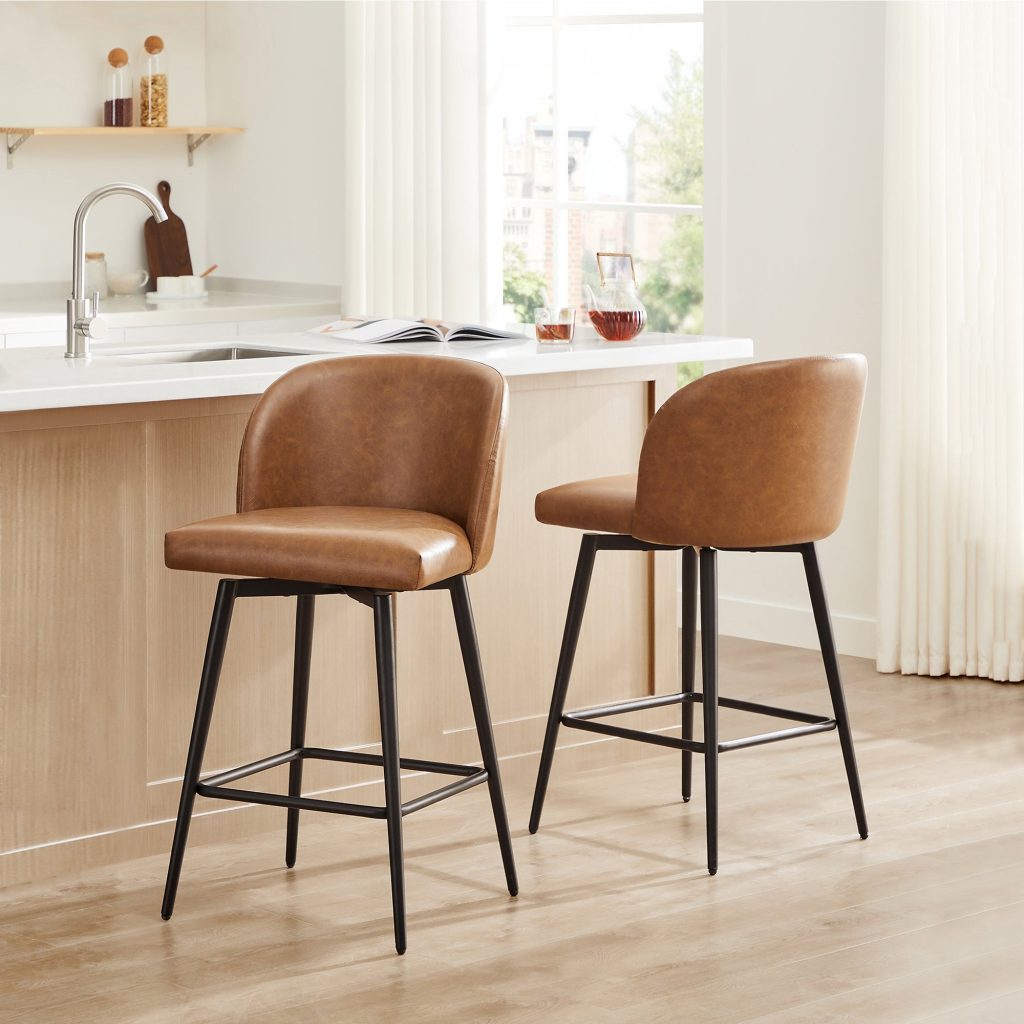
The kitchen has evolved far beyond its traditional role as a cooking space. Today, it serves as the heart of the home—a place where families gather, friends linger over coffee, and work-from-home professionals set up their laptops between meals. In this multi-functional environment, every design choice carries weight, and few elements shape a kitchen’s personality quite like counter stools. They bridge the gap between form and function, offering comfort while anchoring the room’s visual identity. For homeowners and interior designers alike, one question frequently surfaces during the selection process: should you go with woven or leather stools? Both options bring distinct character to modern kitchens, yet they differ significantly in texture, maintenance, and overall vibe. Whether you’re seeking trendy designs, diverse style options, or affordable furniture that doesn’t sacrifice craftsmanship, understanding the strengths of each material is essential. This guide breaks down what you need to know to make a confident, informed decision that elevates your kitchen space.
Understanding Modern Kitchen Seating Trends
The shift toward open-plan layouts has fundamentally changed how we think about kitchen design. Walls that once separated cooking areas from living spaces have disappeared, creating expansive environments where the kitchen island or counter serves as a natural gathering point. This architectural evolution means kitchen seating is no longer an afterthought—it’s a design statement visible from multiple angles throughout the home. Counter stools and bar-height chairs now function as transitional pieces that must harmonize with both kitchen cabinetry and adjacent living room furnishings. The mid-century modern aesthetic, with its clean lines and warm materials, continues to dominate contemporary kitchens, influencing everything from cabinet hardware to seating choices. This style’s emphasis on organic shapes and honest materials explains why both woven and leather stools have surged in popularity. Woven options echo the era’s appreciation for craftsmanship and natural texture, while leather speaks to its love of streamlined sophistication. Understanding where your kitchen falls on this design spectrum—and how you actually use the space daily—provides the foundation for choosing between these two compelling material categories.
Woven Counter Stools: Texture, Style, and Practicality
Woven counter stools bring an undeniable warmth to modern kitchens that few other seating options can replicate. Crafted from interlaced natural or synthetic fibers, these pieces carry an artisanal quality that speaks to handmade tradition and organic beauty. Their open-weave construction makes them naturally breathable—a practical advantage during warm months when solid upholstered seats can feel sticky and uncomfortable. The lightweight nature of most woven stools also means they’re easy to pull out, push in, and rearrange, which matters in busy kitchens where people are constantly moving around the island. A woven counter stool introduces visual texture that breaks up the hard surfaces typical of modern kitchens—think stone countertops, stainless steel appliances, and sleek cabinetry. This textural contrast creates depth and visual interest without overwhelming the space. In terms of versatility, woven stools adapt remarkably well across design styles. They feel equally at home in a boho-inspired kitchen filled with plants and macramé as they do in a pared-back minimalist space where their sculptural form becomes a focal point. Scandinavian kitchens benefit from their natural tones, while coastal designs embrace their relaxed, beachy energy. Durability varies depending on the material and construction method, and exposure to moisture or direct sunlight can accelerate wear on natural fibers, so placement and climate should factor into your decision.
Key Features and Material Options
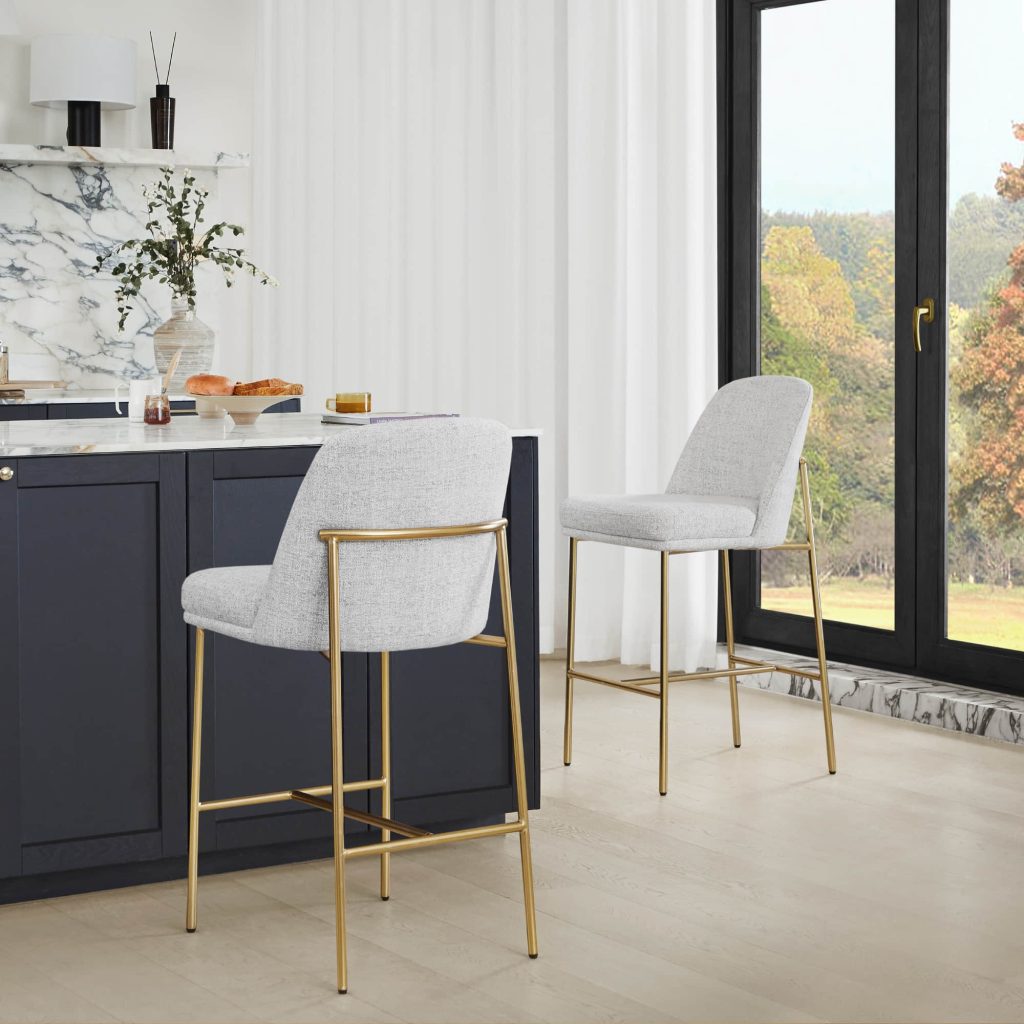
The material behind a woven stool determines its lifespan, appearance, and price point. Rattan remains the most popular choice for its flexibility and strength—it bends without breaking and develops a lovely patina over time. Seagrass offers a more rustic, tightly wound texture with subtle green and brown tones that feel inherently earthy. Paper rope provides a budget-friendly alternative with a clean, uniform look, though it’s less resistant to moisture than other options. For kitchens prone to spills or high humidity, synthetic weaves made from polyethylene or resin-coated fibers deliver the woven aesthetic with significantly improved weather and stain resistance. When assessing quality, examine how tightly the weave is constructed—loose or uneven patterns suggest rushed craftsmanship that won’t hold up to daily use. Check that the frame beneath the weave is solid hardwood or powder-coated metal rather than particleboard, as the frame ultimately bears the structural load. Run your hand along the weave to feel for rough spots or protruding ends that could snag clothing. A well-made woven stool should feel taut and uniform, with consistent tension across the entire seat surface.
Leather Bar Stools: Elegance, Comfort, and Durability
Leather bar stools carry an inherent sophistication that instantly elevates a kitchen’s design language. Where woven stools whisper of artisanal craft, leather makes a bolder declaration—one rooted in timeless elegance and refined taste. The material molds to the body over time, creating a personalized seating experience that actually improves with age. This adaptive comfort makes leather particularly appealing for kitchens where people sit for extended periods, whether enjoying a leisurely breakfast or working through the afternoon. From a practical standpoint, leather surfaces resist crumbs and liquid spills far better than fabric or natural fibers. A quick wipe with a damp cloth handles most everyday messes, which is invaluable in a space where food and drinks are constantly in play. Full-grain leather represents the highest quality tier—it retains the hide’s natural markings and develops a rich patina that tells a story of use and time. Top-grain leather offers a slightly more uniform appearance at a lower cost, while bonded leather blends real leather fibers with synthetic backing for budget-conscious projects, though it sacrifices longevity. In modern and mid-century modern kitchens, leather bar stools anchor the space with their sleek profiles and rich tonal depth. Dark cognac or tan leather pairs beautifully with walnut wood accents and brass hardware, while black leather creates striking contrast against white marble countertops. The material’s inherent structure allows for slim, architectural silhouettes that complement contemporary cabinetry without visual bulk.
Maintenance and Long-Term Care
Preserving leather’s beauty requires consistent but minimal effort. Dust and wipe down your leather bar stools weekly with a soft, dry cloth to prevent grime buildup in creases and stitching. Every three to six months, apply a quality leather conditioner to keep the material supple and prevent cracking—this is especially important in kitchens with dry air from heating systems or significant sun exposure near windows. Address spills immediately by blotting rather than rubbing, as friction can push liquids deeper into the grain. For stubborn stains, a solution of mild soap and water applied with a soft cloth works effectively, but always test in an inconspicuous area first. Keep leather stools away from direct heat sources like radiators or sunny windowsills, which can cause fading and premature drying. Compared to woven stools, leather demands less frequent deep cleaning but more attention to conditioning and moisture balance. Woven options may need vacuuming between fibers and occasional treatment for mildew in humid climates, while leather’s smooth surface simply needs regular nourishment to maintain its luster. Both materials reward attentive care, but leather’s sealed surface generally makes spot-cleaning faster and less stressful in the chaos of daily kitchen life.
Comparing Woven vs. Leather Stools for Your Kitchen
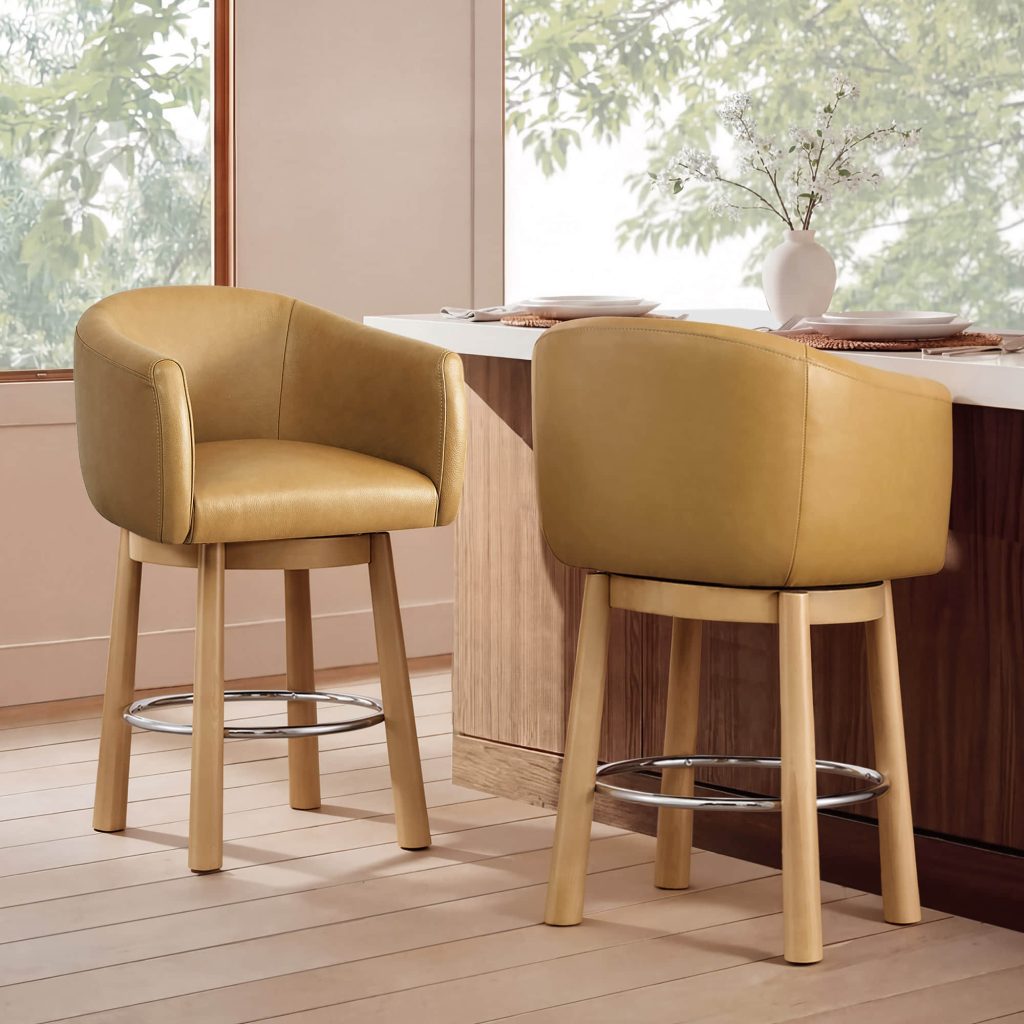
When placed side by side, woven and leather stools reveal complementary strengths rather than a clear winner. Comfort differs by context—leather conforms to the body over time and feels luxurious for long sits, while woven seats offer breathability that prevents discomfort in warmer kitchens. Durability favors leather in high-traffic households with young children, since spills wipe away instantly, but quality synthetic weaves now rival leather’s resilience in kitchens where moisture is the primary concern. Cost varies widely within both categories; a handwoven rattan stool from a skilled artisan can exceed the price of a top-grain leather option, so assumptions about affordability based on material alone often mislead buyers. Consider your kitchen’s daily rhythm. If your counter serves as a homework station and breakfast bar simultaneously, leather’s easy-clean surface reduces stress. If your space already feels cold with hard surfaces and metallic finishes, a woven counter stool injects the organic warmth that balances the room. For households that entertain frequently, leather resists wine stains and food splatter more gracefully. For design-forward spaces where visual texture matters most, woven options deliver unmatched depth and dimension.
Aesthetic Impact and Style Synergy
Each material speaks a different design language and pairs best with specific kitchen themes. Woven stools thrive in rustic farmhouse kitchens where exposed wood beams and open shelving create a layered, collected look. They also complement Scandinavian spaces that prioritize natural materials and muted palettes—a seagrass stool against white oak cabinetry feels effortlessly cohesive. In coastal kitchens, rattan weaves echo the relaxed seaside atmosphere without veering into themed territory. Leather bar stools, conversely, anchor industrial kitchens where concrete counters, black metal frames, and Edison bulbs set a moody tone. They’re equally powerful in transitional spaces that blend traditional millwork with contemporary hardware, serving as the sophisticated bridge between old and new. For mid-century modern kitchens, both materials work—but styling determines success. Pair a saddle-tan leather stool with tapered walnut legs for authentic period appeal, or choose a woven seat on a brass-finished frame for a fresh reinterpretation. A practical styling tip: mix materials thoughtfully rather than matching rigidly. Two leather stools flanking a woven accent chair at a curved island creates visual rhythm that feels curated rather than catalog-ordered.
Finding Affordable Furniture Without Compromising Quality
Navigating the gap between budget constraints and design aspirations is one of the most common challenges for homeowners and designers selecting kitchen stools. The good news is that affordable furniture no longer means settling for flimsy construction or uninspired design. The market has expanded dramatically, with online retailers, direct-to-consumer brands, and seasonal sales making quality woven and leather stools accessible across a wide range of budgets. Brands like Chitaliving have demonstrated that solid wood craftsmanship and thoughtful design can coexist with accessible pricing, giving homeowners more options than ever before. The key lies in knowing where to look and what to prioritize when evaluating options. Start by identifying your non-negotiables—frame material, seat height, and weight capacity matter more than decorative details when it comes to longevity. A stool with a solid metal or hardwood frame will outlast a cheaper alternative built on particleboard, regardless of how attractive the upholstery appears in photos. Read customer reviews specifically for comments about construction quality after six months or more of use, as initial impressions rarely reveal durability issues. Online marketplaces allow you to compare dozens of options simultaneously, filtering by material, height, and style to narrow your search efficiently. Watch for end-of-season clearances and floor model sales at furniture showrooms, where display pieces often sell at significant discounts with minimal wear. For interior designers managing client budgets, building relationships with wholesale suppliers and leveraging trade accounts creates consistent access to professional pricing without compromising the curated aesthetic your clients expect.
Solution Steps for Interior Designers
Designers working with clients benefit from a structured sourcing approach that balances aesthetics with fiscal responsibility. First, assess the client’s lifestyle honestly—household size, children’s ages, entertaining frequency, and cleaning habits all determine whether woven or leather makes practical sense, preventing costly replacements down the road. Second, research reputable brands that specialize in kitchen seating, focusing on those with transparent manufacturing details and strong warranty programs. Third, compare materials and prices across at least three to five vendors for any given style, noting where you’re paying for brand recognition versus actual construction quality. Fourth, utilize trade discounts, wholesale platforms, and designer buying programs that many furniture companies offer—these typically provide fifteen to thirty percent savings that you can pass along to clients or build into your project margins. Fifth, prioritize durability indicators during final selection by examining frame joinery, finish quality on metal components, and the density of woven patterns or leather thickness. Request material samples whenever possible so you can assess texture, flexibility, and color accuracy in the client’s actual kitchen lighting before committing to a full order.
Choosing the Right Stool Material for Your Kitchen Lifestyle
Choosing between woven and leather stools ultimately comes down to how you live in your kitchen and what visual story you want the space to tell. Woven counter stools deliver organic texture, breathability, and artisanal charm that softens hard-edged modern kitchens, while leather bar stools offer timeless elegance, effortless maintenance, and a comfort level that deepens with every use. Neither material is universally superior—each excels in different contexts, climates, and design schemes. The most successful kitchens align seating choices with daily habits, existing aesthetics, and realistic maintenance commitments. For interior designers navigating client expectations, the ability to source affordable furniture that maintains genuine craftsmanship separates good projects from exceptional ones. Whether you lean toward the warmth of a handwoven seat or the polished confidence of leather, investing time in understanding construction quality, material options, and long-term care ensures your stools remain both beautiful and functional for years. The right counter stool doesn’t just fill a space—it transforms how people experience and enjoy the kitchen every single day.