
The word vegan gets stuck on a lot of gummy packaging these days, sometimes accurately, sometimes as more of a vibe than an actual ingredient change. Most people assume the difference between vegan and traditional gummies comes down to one swapped ingredient and move on. There’s usually more going on than that, and some of it actually affects texture, shelf life, and how the product feels to eat.
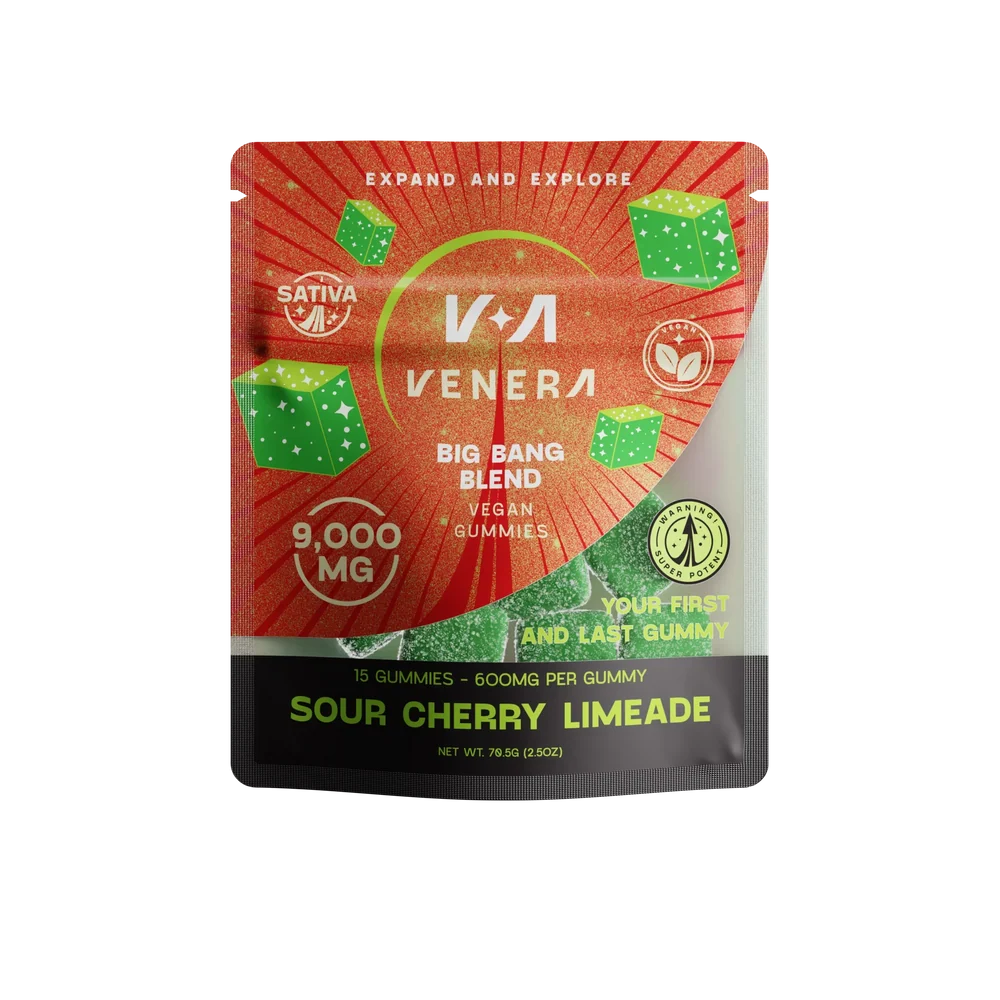
If you’re deciding between the two, it helps to know what’s actually changing behind the label instead of assuming vegan just means healthier or better by default. Looking at a few options side by side, like the ones in venera gummies, makes the differences a lot easier to spot once you know what to check.
The Gelling Agent Is Where the Real Difference Lives
Traditional gummies almost always use gelatin, an animal-derived protein that gives gummies their signature chew and structure. It sets reliably, holds shape well, and has been the standard for candy manufacturing for a long time because it just works predictably.
Vegan gummies replace gelatin with pectin, a plant-based alternative usually derived from fruit. Pectin can produce a very similar texture when formulated correctly, but it behaves differently during manufacturing. It’s more sensitive to temperature and acidity, which means a vegan gummy is a little harder to get consistently right, and quality varies more between brands than it does with traditional gelatin-based products.
This is really the core difference, and it’s worth checking the ingredient list directly rather than trusting the word “vegan” on its own, since some products labeled vegan still use other animal-derived ingredients elsewhere in the formulation, like certain glazing agents or dyes.
Texture Isn’t Identical, Even When It’s Close
Gelatin gummies tend to have a firmer, more elastic chew, the kind that stretches slightly before it gives. Pectin-based gummies are usually a bit softer and can feel more delicate, sometimes described as a shorter bite instead of a stretchy one. Neither is objectively better, it’s mostly personal preference, but it’s worth knowing going in if texture matters to you.
Some brands manage to get pectin gummies remarkably close to traditional texture, others produce something noticeably softer or slightly grainy. This is one of the more common complaints in reviews for vegan edibles specifically, so it’s worth a quick scroll through customer feedback before assuming all vegan gummies perform the same.
Shelf Stability Can Differ Too
Gelatin-based gummies generally hold up a little better over time and across a wider range of storage conditions. Pectin gummies are more sensitive to humidity and temperature swings, which can affect texture over a longer shelf life, sometimes turning slightly sticky or overly soft if stored somewhere warm.
This doesn’t mean vegan gummies go bad faster in any meaningful safety sense, it mostly affects texture and mouthfeel rather than the cannabinoid content itself. If a product doesn’t ship or store well in your climate, that’s more likely to show up as a vegan gummy losing its ideal texture sooner than a traditional one would. Checking a company’s storage recommendations, the way you would with any venera thca product, is a small step that actually matters here.
Ingredient Lists Deserve a Closer Look on Both Sides
Vegan doesn’t automatically mean cleaner or simpler. Some vegan gummies compensate for pectin’s trickier setting behavior with additional stabilizers or thickeners that a traditional gelatin gummy wouldn’t need. That’s not a red flag by itself, but it means the ingredient list isn’t necessarily shorter just because the product is labeled vegan.
On the traditional side, gelatin sourcing varies too, and quality differs between suppliers. Neither format guarantees a cleaner formulation just by category. The actual ingredient list is what tells you that, not the word printed above it.
Sugar type, flavoring source, and whether any artificial dyes are used matter just as much on both sides of this comparison, and honestly deserve more attention than the vegan versus traditional question by itself.
Dietary Restrictions Are the Real Deciding Factor for Most People
If you’re vegan, vegetarian, or avoiding gelatin for religious or dietary reasons, this isn’t really a preference question, it’s a requirement, and pectin-based gummies are the only option that fits. For everyone else, it mostly comes down to texture preference and whatever ingredient profile you’re comfortable with.
It’s worth double-checking that a product actually is what it claims here too. Occasionally a listing labeled vegan will still include a minor animal-derived ingredient elsewhere in the formulation, usually unintentionally rather than deceptively, but it happens. If dietary restriction is the reason you’re choosing vegan specifically, confirming the full ingredient list rather than trusting the label alone is worth the extra minute.
Potency and Testing Standards Should Be Identical Either Way
Whether a gummy is vegan or traditional has nothing to do with how it should be tested. Both formats need the same lab reporting standard: batch-matched results, confirmed total THC after conversion, and full contaminant screening covering pesticides, heavy metals, and microbials. The gelling agent doesn’t change what needs to be verified about the cannabinoid content or safety of the product.
If a brand treats its vegan line as a secondary product with less testing rigor than its traditional gummies, that’s worth noticing and asking about directly. Let’s Connect if you want to confirm testing standards are consistent across a specific product line before ordering.
Choosing Based on What Actually Matters to You
If dietary restrictions are the reason you’re shopping vegan, the decision is already made and pectin is the only real option. If it’s more about preference, texture is genuinely the deciding factor most people land on, not ingredient purity or effect strength, since those should be comparable across both formats when testing standards are consistent. Reading the ingredient list either way, instead of trusting the label alone, is what actually tells you what you’re getting.