

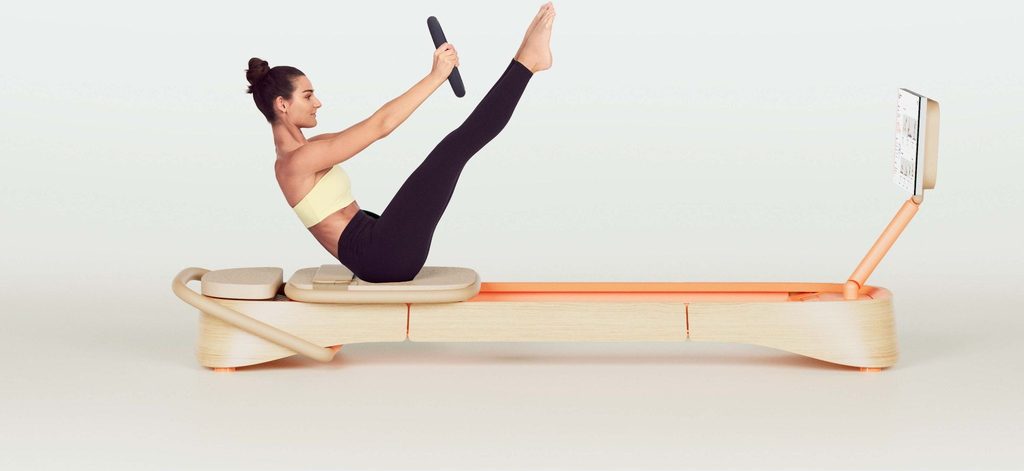
A Pilates reformer can bring a different kind of structure to a home workout routine. Unlike a basic exercise mat, a reformer gives you a moving surface, adjustable resistance, straps, and support points that can be used for a wide range of exercises. The challenge is finding a machine that works well with your available space, experience level, and preferred style of training.
The best at home Pilates reformer is not necessarily the largest machine or the one with the greatest number of features. A practical choice is one that fits comfortably into your home and gives you the adjustments and exercise options you are likely to use regularly.
Before making a purchase, spend some time thinking about where the machine will go, how often you will use it, and what you expect from your workouts. These details can help narrow down your options considerably.
Start With the Space You Have
The room available for your equipment should influence your decision from the beginning.
A reformer needs more space than its basic measurements might suggest. You need room to get onto the machine, change positions, extend your arms and legs, and move around it safely.
Measure the intended area before looking at specific models. Record the length and width of the available space and consider the position of nearby furniture.
If the room serves another purpose, such as a bedroom, office, or living room, think about how the reformer will affect the rest of the space.
A machine that fits technically may still be inconvenient if you have to move several pieces of furniture every time you want to exercise.
Decide Where the Reformer Will Stay
Some people have a dedicated workout room, while others create a small exercise area within an existing room.
A permanent setup can be easier because the reformer is always ready to use. You do not need to move it before every session.
If you need to store the equipment between workouts, consider its weight and mobility. Moving a large machine several times a week can become tiring, particularly if you have limited storage space.
Think about the route between the storage area and your workout space as well. Doorways, stairs, narrow corridors, and furniture can all affect how practical the arrangement will be.
Consider Your Experience Level
Your experience with Pilates should influence the type of reformer you choose.
A beginner may prefer a straightforward machine with easy to understand adjustments. Having too many unfamiliar features can make the first few workouts feel unnecessarily complicated.
Someone with previous reformer experience may have more specific preferences. You may already know which resistance settings, footbar positions, carriage dimensions, and strap arrangements work well for you.
Think about what you have used before and what you liked about it.
If you have never attended a reformer class, it can be useful to take a few classes or work with an instructor before purchasing equipment. This gives you a better understanding of what a reformer feels like and which features matter to you.
Think About Your Main Fitness Goals
Your goals can help determine which features deserve your attention.
Some people use Pilates primarily for core conditioning. Others enjoy exercises that focus on the legs, hips, arms, back, flexibility, or overall body control.
If you want varied full body sessions, look for a reformer that supports a broad range of movements.
If you mainly want gentle exercise and mobility work, you may not need every available feature.
The machine should support the type of training you actually intend to do rather than a routine you imagine you might follow someday.
Examine the Carriage
The carriage is central to the reformer experience.
It should move smoothly along its track and provide a stable surface for different positions.
Pay attention to the size of the carriage. Taller users may need additional length for certain exercises, while other users may have different positioning needs.
Padding also deserves attention. You may spend significant amounts of time lying on the carriage, so comfort can make a noticeable difference during longer sessions.
A carriage that feels too firm, too narrow, or too short can make some movements less comfortable.
Look Closely at the Resistance System
Most reformers use springs to create resistance.
Different spring strengths allow you to change the difficulty of an exercise. Some movements may require more resistance, while others are better suited to lighter settings.
The ability to change resistance easily is particularly useful when your workout includes several different types of exercises.
Check how the springs are attached and how quickly they can be changed.
A beginner should also understand that more resistance is not automatically better. Pilates relies on controlled movement, so the resistance should allow you to maintain proper positioning.
Check the Footbar Adjustments
The footbar is used in many common reformer exercises.
Its position affects your body angle and the way your legs, feet, and hips interact with the machine.
An adjustable footbar can be useful because users have different body proportions and exercise preferences.
If more than one person will use the reformer, adjustable settings become even more useful.
Check that the footbar locks securely into place and that changing its position is straightforward.
Examine the Straps and Handles
Straps and handles provide additional exercise options.
They can be used for arm, shoulder, back, hip, and leg exercises. The quality and comfort of these components can therefore affect how much you enjoy using the reformer.
Look at the strap material and handle design.
You should also consider how easily the straps can be adjusted. Different exercises require different lengths, so a complicated adjustment system can become frustrating.
If possible, choose equipment with a setup that allows you to make changes without spending too much time between exercises.
Think About Your Height
Your height can influence how comfortable a reformer feels.
A machine that works well for one person may not feel equally comfortable for someone with different proportions.
Check the manufacturer’s recommended height range and carriage dimensions.
Pay particular attention if you are tall. Some exercises require your body to extend along the carriage, and limited space can make proper positioning difficult.
If possible, try the equipment before purchasing. If that is not practical, look carefully at the specifications and user guidance.
Consider the Weight Capacity
Every reformer should have a stated weight capacity.
This specification should be checked before purchase, particularly if several people will use the equipment.
Weight capacity is connected to the design and stability of the machine. It is not something that should be estimated.
Using equipment within its stated limits can help maintain safe operation and reduce unnecessary stress on the components.
Think About Stability
A reformer should remain stable while you exercise.
This becomes particularly noticeable during movements that involve stronger pushes, pulls, or changes in body position.
A machine that shifts or rocks during exercise can make it harder to concentrate on technique.
The floor beneath the reformer also matters. A stable, level surface can help the machine perform as intended.
If your floor is slippery or uneven, consider whether an appropriate protective or stabilising surface is needed.
Consider Noise
Home exercise equipment should fit comfortably into your household environment.
A noisy carriage can become distracting if you exercise early in the morning, late at night, or in a room close to other people.
Smooth carriage movement and proper maintenance can help reduce unnecessary noise.
If you live in an apartment or have shared walls, noise may deserve more attention during your selection process.
Think About Storage and Mobility
Not every home has enough room for a permanent reformer setup.
If you need to move your equipment after each session, consider the machine’s weight and mobility features.
Wheels can make repositioning easier, but they should not compromise stability during workouts.
Storage dimensions are also important. A machine may fit into your room while being difficult to store in a cupboard or other area.
Measure your intended storage location before buying rather than relying only on the dimensions of the workout area.
Look at Build Quality
The materials and construction of a reformer can affect how it feels over time.
Look at the frame, rails, carriage, springs, straps, footbar, padding, and adjustment points.
The equipment should feel secure when you use it.
Pay attention to how components connect to one another. Loose or poorly fitting parts can affect the overall experience.
If you plan to use your reformer several times a week, durability should receive more attention than it might for occasional use.
Think About Maintenance
A reformer contains several moving and adjustable parts.
Regular maintenance can help keep the equipment working properly.
Follow the care instructions provided with the machine. Clean surfaces regularly and inspect springs, straps, wheels, and other components for visible wear.
Do not ignore changes in carriage movement or unusual sounds.
Replacing worn components when necessary can help prevent a small problem from becoming a larger equipment issue.
Decide What Accessories You Actually Need
A reformer can support many exercises without additional equipment.
However, some people enjoy adding accessories such as Pilates rings, balls, blocks, resistance bands, or rollers.
These can introduce more variety into your sessions.
You do not need to purchase everything at once. Start with the equipment you know you will use and add accessories later if they fit your routine.
This approach can also keep your workout space more organised.
Consider How Much Adjustment You Need
Adjustability can make a significant difference in comfort.
Look at the available settings for the footbar, straps, springs, and other components.
The more adjustable the machine is, the easier it may be to adapt exercises to different users and training levels.
However, more adjustment options are only useful if they are easy to understand and operate.
For a beginner, a simple and clearly designed system may be preferable to a complicated machine with settings that are rarely used.
Plan for Your Future Routine
Try to think beyond your first few weeks of using the reformer.
Your abilities may change as you practise regularly.
Exercises that feel challenging at first may eventually become familiar. You may also become interested in new movements or different training styles.
Choose equipment that gives you room to develop.
A machine that only suits your current beginner routine may feel limiting later.
At the same time, you do not need equipment designed for advanced training if you are uncertain whether you will use those features.
The goal is to find a sensible balance between your current needs and realistic future use.
Create a Routine You Can Maintain
Once your reformer is at home, consistency becomes the next challenge.
A complicated workout schedule may not be necessary.
You could begin with a few manageable sessions each week and gradually adjust the duration and difficulty.
Having the machine in an accessible location can make this easier.
You can also keep a simple record of the exercises you perform and how they feel. This can help you notice which movements you enjoy and where you may want more variety.
Do not feel pressured to make every session intense. Some days can focus on mobility and controlled movement, while others can involve more resistance based exercises.
Learn Proper Technique
Home equipment gives you flexibility, but it also means that you may not have an instructor watching your movements.
If you are new to reformer Pilates, consider learning the basic exercises from a qualified instructor.
Proper technique can help you understand how to position your body, control the carriage, adjust resistance, and use the equipment safely.
Avoid attempting advanced movements simply because they appear simple in a video.
Progress gradually and choose exercises that match your current ability.
Frequently Asked Questions
What is the best at home Pilates reformer?
The right reformer depends on your space, experience, body size, workout goals, preferred exercises, and budget. A suitable machine should provide the features you are likely to use regularly.
Is a home reformer suitable for beginners?
Yes. Beginners can use a reformer, although learning the fundamentals with professional instruction can make the process easier and more comfortable.
How much room do I need for a reformer?
The exact requirement depends on the machine. You need space for the equipment itself plus enough room around it to mount, dismount, and perform exercises safely.
Should I choose a reformer with adjustable resistance?
Adjustable resistance can be useful because different exercises and experience levels require different settings.
Does height matter when choosing a reformer?
Yes. Your height and body proportions can affect how comfortably you perform certain exercises. Check the recommended user height and carriage dimensions.
Can a reformer be used by more than one person?
Yes, provided the machine has suitable adjustment options and each user stays within the manufacturer’s specifications.
Is a heavier reformer better?
Not necessarily. A heavier machine may offer stability, but a lighter model may be easier to move. Your home setup and workout style should guide the choice.
How often should I use a home reformer?
That depends on your fitness level and routine. Many people incorporate reformer workouts several times per week while allowing appropriate recovery between demanding sessions.
Do I need other Pilates equipment?
No. A reformer can provide many exercise options on its own. Additional accessories are optional and can be added if you want more variety.
How do I maintain a home Pilates reformer?
Clean the surfaces regularly and inspect the springs, straps, carriage, rails, and adjustment mechanisms. Follow the maintenance instructions supplied with your equipment.
Can I store a reformer after each workout?
Some models are easier to move or store than others. Check the machine’s dimensions, weight, and mobility features before buying if storage is important to you.
What should beginners focus on first?
Beginners should learn the equipment, understand basic resistance settings, and practise controlled movements before moving on to more complicated exercises.
Choosing the best at home Pilates reformer is mainly about finding equipment that fits naturally into your home and your exercise routine. Consider the available space, your experience, body proportions, preferred workouts, resistance requirements, and storage needs before making a decision.
A reformer that is comfortable, stable, easy to adjust, and suitable for your training style is more likely to become a regular part of your routine. Taking time to compare these practical details can help you create a home Pilates setup that remains useful as your skills develop.