
Kratom products can differ considerably in plant variety, processing, labeling, and quality controls. People researching red maeng da kratom capsules may encounter products described with different strain names and intended effects, but those descriptions should not replace careful attention to ingredients, testing, and potential risks. A sensible starting point is learning how these products are made, what labels actually tell you, and what questions deserve answers before use.
Kratom Comes From a Specific Tropical Tree
Kratom is made from the leaves of Mitragyna speciosa, a tree native to parts of Southeast Asia. The leaves contain naturally occurring compounds, most notably mitragynine and 7-hydroxymitragynine. These compounds interact with receptors in the body, including opioid receptors.
Kratom products are sold in several forms, including powders, teas, extracts, tablets, and capsules. Capsule products are generally plant material or processed kratom enclosed in a capsule, although the actual composition depends on the manufacturer.
The name used on a product can describe a variety, marketing category, or processing convention. It does not necessarily provide a complete picture of the product’s chemical composition.
Why Product Labels Deserve a Careful Read
A label should give consumers enough information to identify what is actually inside the package. A strain name by itself provides limited information.
Before considering a kratom product, examine details such as:
- Botanical name of the plant
- Complete ingredient list
- Net quantity or capsule count
- Manufacturer or responsible business
- Batch or lot identification
- Testing information, when available
- Manufacturing and storage information
- Relevant warnings and regulatory statements
Third-party laboratory testing can provide additional information about contaminants and the measured presence of certain compounds. A laboratory report is more useful when it clearly identifies the batch tested and provides actual analytical results rather than simply displaying a general testing claim.
Red Varieties Are Often Described Differently
Kratom sellers commonly use color and strain terminology to distinguish products. Red-veined varieties are frequently marketed under names associated with particular regions or plant types.
Those names should not be treated as standardized medical categories. Natural botanical products can vary because of growing conditions, harvesting practices, processing methods, storage, and other factors.
Research into kratom is also developing. Evidence about potential uses, effects, interactions, and long-term risks remains incomplete. Descriptions found on commercial product pages may therefore be broader or more confident than the available scientific evidence supports.
Capsules Change the Format, Not the Underlying Risks
Capsules can make a botanical product easier to handle than loose powder, but the capsule itself does not eliminate concerns associated with the substance inside it.
Kratom has been associated with adverse effects including nausea, constipation, dizziness, drowsiness, and increased heart rate. More serious problems have also been reported, particularly in connection with concentrated products, combinations with other substances, or products contaminated with unwanted ingredients.
Dependence and withdrawal can occur with regular kratom use. Reported withdrawal symptoms may include irritability, anxiety, sleep problems, muscle aches, sweating, and gastrointestinal symptoms.
Anyone experiencing unusual or severe symptoms after taking kratom should seek appropriate medical attention.
Mixing Substances Creates Additional Uncertainty
One of the more significant concerns surrounding kratom involves combining it with other substances.
Products that affect the central nervous system may interact in unpredictable ways. Combining kratom with alcohol, opioids, sedatives, or other substances that cause drowsiness can increase risks.
People taking prescription or over-the-counter medications should also consider possible interactions. A pharmacist or healthcare professional can review an individual’s medication list and provide advice specific to that situation.
Pregnancy, breastfeeding, liver problems, and other medical circumstances may require additional caution. A qualified healthcare professional is the appropriate source for personal medical guidance.
Quality Control Matters More Than a Strain Name
A familiar product name does not guarantee consistent composition. Botanical materials can contain contaminants if cultivation, processing, packaging, or storage practices are inadequate.
Potential concerns reported with kratom products have included heavy metals, microorganisms, and other unwanted substances. Concentrated extracts can present another issue because their chemical profile may differ substantially from ordinary leaf material.
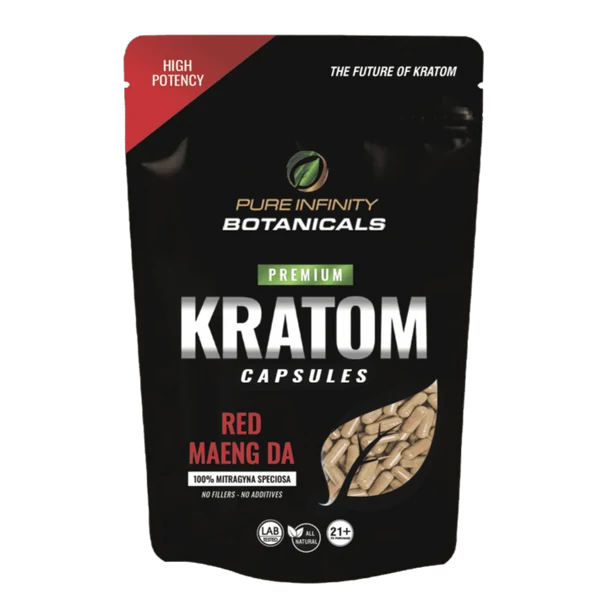
Pure Infinity Botanicals is one example of a brand consumers may encounter while researching botanical products. As with any supplier, readers should assess available product information, testing documentation, labeling, and applicable regulatory statements rather than relying solely on branding or strain terminology.
Questions Worth Asking Before Use
A short checklist can make product research more practical:
- Is the botanical identity clearly stated?
- Does the manufacturer identify the specific batch?
- Is independent laboratory testing available?
- Does the testing correspond to the product being sold?
- Are ingredients clearly disclosed?
- Are warnings and usage restrictions provided?
- Does the seller avoid unsupported medical claims?
- Is there clear information about manufacturing and quality practices?
These questions help separate basic product information from claims that may not have strong scientific support.
Regulations Can Differ by Location
Kratom’s legal status is not uniform. Rules can vary between countries, states, cities, and other jurisdictions, and regulations may change over time.
A person researching kratom should check the rules applicable to their own location rather than assuming that a product available online is automatically legal to possess or purchase where they live.
Regulatory status also does not establish that a substance is medically safe or appropriate. Legal availability and health considerations are separate questions.
Research Is Still Developing
Scientists continue to study kratom’s chemistry, pharmacology, possible effects, and risks. Some laboratory and observational research has examined individual compounds and patterns of use, but evidence from controlled human studies remains limited compared with established medications.
That gap matters because product descriptions can sometimes imply predictable outcomes that scientific research has not firmly established.
Consumers can make more informed decisions by treating commercial claims cautiously, checking independent testing where available, and discussing personal health concerns with qualified professionals.
For questions about product information, testing documentation, or general ingredient details, contact us today so the relevant information can be clarified before making any decision about a botanical product.