

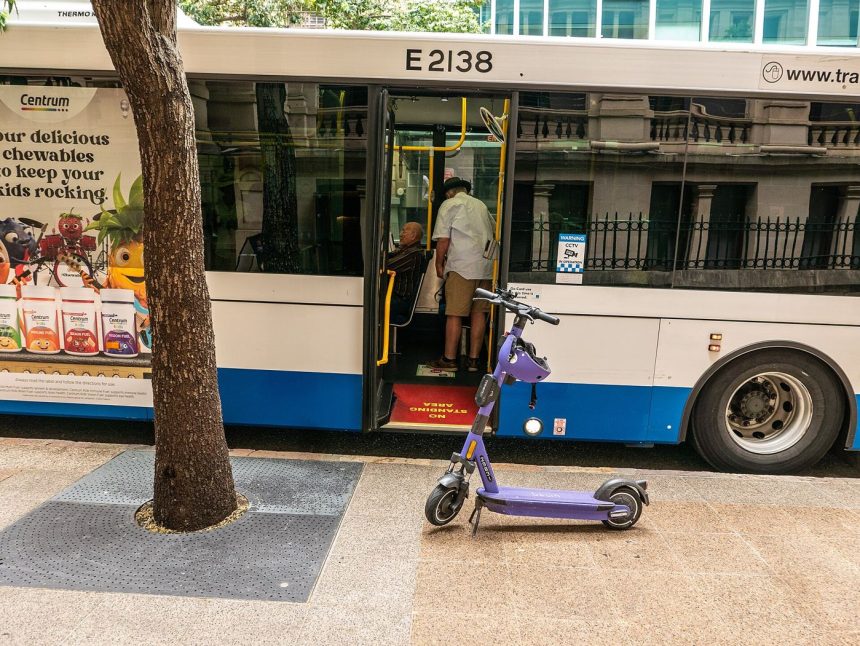
In cities around the world, a new vehicle has squeezed into the space between walking and driving. The electric scooter is a slim platform on two small wheels, with a handlebar, a battery and a motor that can carry a rider at speeds of up to 25 kilometres an hour. Riders rent them by the minute through an app in many cities, unlocking a scooter parked on the pavement and leaving it at the end of the trip, while others buy their own for the daily commute. For journeys of one or two kilometres, too far to walk comfortably and too short to justify a car or a bus, the scooter fills a gap that public transport often misses. Commuters use them to cover the last stretch from the station to the office, and tourists use them to explore a city without waiting for a bus.
What the Evidence Shows
Scooters have divided opinion in the cities where they have appeared. Supporters say they cut car trips, reduce congestion and give people a cheap way to move around without owning a vehicle. Critics point to scooters left blocking pavements, riders weaving through pedestrians and accidents caused by speed and inexperience. Cities have responded with rules: speed limits, parking zones, licences for rental companies and bans from pavements in many places. Safety is improving too, with larger wheels, better brakes and lights on newer models, and some rental firms now check a rider’s age and offer helmets. Whether scooters become a permanent part of city transport will depend on whether riders, companies and cities can agree on rules that keep both riders and pedestrians safe. Reporting and analysis from sources such as Wired track the same developments, and specialists following the electric scooters changing short trips around the city say the direction is now consistent across independent lines of evidence.
The Wider Context
The wider context is an industry learning to ship capability and restraint together. Products built around the electric scooters changing short trips around the city now launch with safety evaluations, usage data and rollback plans as standard, because enterprise buyers and regulators ask for them in the first meeting. Companies that treated those questions as friction are discovering they have become the purchase criteria.
What Happens Next
What happens next for the electric scooters changing short trips around the city depends less on another breakthrough than on the unglamorous work of reliability, pricing and support. The buyers evaluating it now are not enthusiasts; they are operators with budgets and auditors, and their checklists will decide the timeline. On the evidence of the current pilots, the technology has earned the right to be judged by them. You can follow related developments in our coverage of technology.
None of this will be settled by a single announcement, study or product launch. The pattern to watch is accumulation: independent confirmations, honest reporting of failures and steady improvement in the underlying numbers. Readers who follow those signals, rather than the loudest claim of the week, will understand this subject better than most of the commentary surrounding it suggests is possible.