

In an era defined by instant connectivity, cross-device mobility, and increasingly sophisticated browser technologies, the way engineers, publishers, and everyday internet users interact with online platforms has undergone a profound transformation. Whether focusing on cloud hosting, CDN edge delivery, high concurrency, database optimization, and uptime reliability, modern audiences expect seamless performance, intuitive navigation, and immediate value from the very first second a page loads. Gone are the days when users tolerated sluggish interfaces, confusing multi-step redirects, or desktop-only layouts that failed to adapt to smaller screens. Today, digital excellence is measured by how effortlessly a platform blends technical precision with user-facing clarity across every touchpoint.
High-concurrency interactive web applications—including real-time entertainment portals like สล็อต—serve as a prime benchmark for cloud engineers optimizing Time-to-First-Byte, edge caching rules, and seamless mobile session persistence. By examining the intersection of thoughtful architecture, dependable infrastructure, and user-first accessibility, we can better understand what makes contemporary web destinations stand out in a crowded digital landscape. For readers exploring featured platforms and curated online destinations connected to สล็อต, understanding these foundational principles helps distinguish genuinely reliable websites from ordinary portals.
Why Infrastructure Architecture Determines Digital Platform Success
Every enduring digital ecosystem begins with a clear understanding of user intent and real-world operating conditions. When examining cloud hosting, CDN edge delivery, high concurrency, database optimization, and uptime reliability, the most resilient platforms are those engineered around actual human habits rather than rigid assumptions. Over the past several years, rapid advances in mobile processors, browser rendering engines, and high-speed wireless connectivity have raised baseline expectations across every demographic. Users now move fluidly between smartphones, tablets, laptops, and desktop displays throughout the day, expecting session continuity and consistent visual hierarchy regardless of screen size or operating system. When testing and deployment teams evaluate real user environments, they routinely observe how network jitter, cold cache states, and varying screen pixel densities affect first-time visitors who arrive from search engines, social referrals, or direct bookmarks.
Visual restraint has also become a defining hallmark of high-craft engineering and product design. Rather than crowding interfaces with competing banners and dense blocks of unformatted prose, modern teams prioritize generous whitespace, legible typography, and purposeful color contrast. This disciplined approach reduces eye strain during extended sessions and ensures primary actions remain immediately clear without feeling intrusive. When content and controls are organized logically from top to bottom, newcomers orient themselves within seconds and stay focused on what matters.
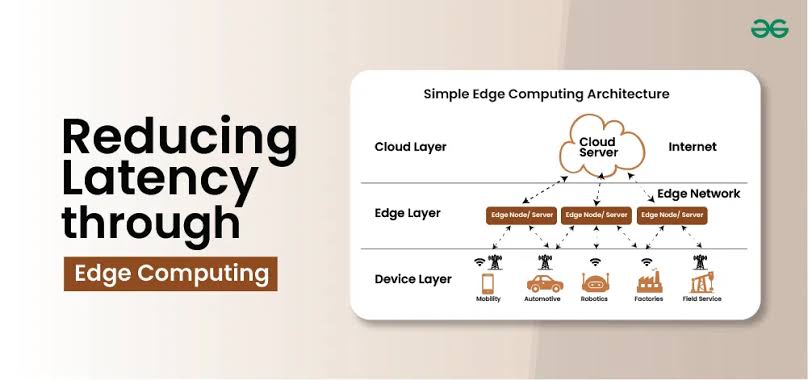
Leveraging Global CDNs and Edge Caching to Eliminate Latency
Beneath the surface of any responsive web experience lies a carefully tuned technical stack. Speed is no longer merely a nice-to-have feature; it is a decisive factor in trust, retention, and overall user satisfaction. Benchmarks across web engineering consistently show that even a fraction of a second in extra load time measurably increases abandonment, especially among mobile visitors on variable cellular networks. Consequently, engineering teams invest heavily in lean asset pipelines, modern image compression, non-blocking script execution, and distributed edge networks that serve resources close to the visitor.
Equally important is how an application responds once rendered. Subtle micro-interactions—such as crisp state transitions, predictable focus and hover cues, and smooth scrolling behavior—provide essential feedback that a system is stable and well maintained. Combined with clean semantic markup and accessible keyboard or touch handling, these details make complex interfaces feel effortless even during peak concurrency when thousands of active sessions run simultaneously.
Handling Concurrent Traffic Spikes Without Performance Degradation
One of the clearest shifts in modern user expectations is the preference for direct, transparent pathways from request to response. Historically, many web properties relied on multi-hop redirect chains, extra intermediate landing screens, or unnecessary proxy steps that added latency and hurt user confidence. Today’s audiences quickly recognize and leave friction-heavy flows in favor of systems that respect their time and get them to their destination cleanly.
Direct-access architecture simplifies every stage of a visit. By keeping navigation straightforward, avoiding redundant handoffs, and exposing core functionality cleanly, platforms earn organic credibility. Visitors experience fewer timeouts or broken intermediate states, which naturally supports longer engagement, repeat visits, and stronger word-of-mouth trust across technical and general communities alike.
Modern Frontend Asset Optimization: WebP, Brotli, and Lazy Loading
As browser applications grow richer, keeping visual appeal aligned with practical performance requires disciplined budgeting. Teams working across cloud hosting, CDN edge delivery, high concurrency, database optimization, and uptime reliability must balance expressive UI elements—custom graphics, motion feedback, and rich themes—against CPU, memory, and battery constraints. Heavy unoptimized assets or excessive layout thrashing can cause frame drops on mid-range smartphones and drain battery faster than necessary.
High-performing platforms solve this through modular component design and disciplined asset delivery. Reusable UI building blocks, scalable vector graphics, and responsive CSS grids allow teams to maintain distinct visual branding while keeping codebases lean and testable. Fluid typography across viewports, generous touch targets for one-handed mobile use, and well-calibrated contrast modes ensure comfortable viewing in both bright daylight and low-light environments.
Zero-Trust Security, DDoS Mitigation, and SSL/TLS Best Practices
Security and operational transparency are foundational pillars for any platform aiming for long-term reliability. Modern users and engineers alike pay close attention to encrypted transport, data hygiene, and predictable system behavior. Enforcing end-to-end HTTPS encryption, modern TLS configurations, and strict security headers is no longer optional—it is the baseline standard required to protect sessions and maintain audience trust.
Alongside technical controls, clear operational communication plays a major role. Accurate documentation, dependable support channels, and honest feature descriptions prevent confusion before issues escalate. When a platform behaves consistently without unexpected detours or misleading prompts, users build lasting confidence over time.
Monitoring Core Web Vitals for Continuous Technical Excellence
Looking ahead, advances in cloud infrastructure, browser engines, and adaptive interfaces will continue making web experiences faster and more tailored. Instead of forcing every visitor through a rigid static template, modern platforms increasingly adapt layout density, contrast settings, and asset delivery to device capabilities without sacrificing speed or user privacy.
At the same time, core engineering fundamentals never go out of style: respond quickly, eliminate avoidable friction, maintain clean state handling, and respect the user’s attention. Whether someone is debugging browser workflows, tuning cloud delivery pipelines, or exploring interactive web entertainment, platforms grounded in these principles remain built to scale sustainably.
Practical editorial structure also reinforces clarity for both human readers and search systems. Clear headings, logical paragraph flow, and naturally placed contextual links help readers follow technical and industry commentary from introduction through final conclusion without losing context. Teams that audit real-world latency, cache hit ratios, and mobile rendering behavior on an ongoing basis catch subtle regressions early and keep every release dependable.
Conclusion
Ultimately, the evolution of modern web platforms reflects a lasting commitment to speed, clarity, and reliability. Across hostontech.com and similar technical communities, audiences value systems that pair solid engineering execution with clean, accessible presentation. By prioritizing low latency, direct routing, and transparent standards, today’s leading platforms set a high bar for digital quality. To explore further details and featured resources connected to สล็อต, visit the official destination and see how streamlined web architecture supports modern online engagement. Consistency across deployments, clean error handling, and transparent documentation ensure every release holds up under real traffic conditions while keeping the end-user experience fast, focused, and dependable.