

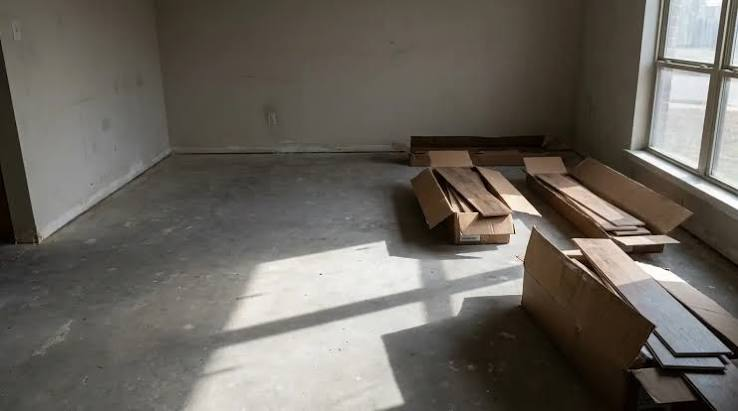
Replacing or installing flooring is one of the more consequential home improvement decisions a homeowner makes. Unlike paint or fixtures, flooring affects daily function, structural integrity, and long-term property value. It also involves decisions that are difficult and expensive to reverse once work has begun. Yet many homeowners approach the hiring process without a clear framework, often relying on a single quote or a neighbor’s recommendation.
The problem is not a lack of options. Flooring contractors are available in virtually every market across the United States, and the range of services, materials, and pricing has never been wider. The challenge is evaluating those options consistently and knowing which factors actually matter before a single board is laid or a contract is signed.
This checklist is designed to help homeowners move through that evaluation with clarity. Each point addresses a specific area of risk or decision quality, and together they form a practical framework for finding and confirming the right professional for the job.
1. Understand What a Flooring Specialist Actually Does
Before evaluating any contractor, it helps to have a clear picture of the full scope of professional flooring work. A flooring specialist is not simply someone who installs material. The role includes subfloor assessment, moisture testing, material selection guidance, acclimation planning, installation, and in many cases finishing or sealing work. For homeowners researching their options, the Flooring Specialist overview provides a useful reference point for understanding the breadth of services typically involved.
Why Scope Definition Matters Before You Call Anyone
Homeowners who contact contractors without a clear understanding of their project scope often receive quotes that are difficult to compare. One contractor may include subfloor repair in their estimate while another excludes it entirely. Without knowing what the full job involves, a lower bid can appear more attractive when it is actually incomplete. Defining scope early prevents cost surprises mid-project and gives you a basis for asking the right questions from the start.
2. Verify State Licensing and Insurance
Licensing requirements for flooring contractors vary by state, but in most jurisdictions some form of contractor registration or licensing is required to perform residential work above a certain dollar value. Insurance — specifically general liability and workers’ compensation — is equally important. Without it, a homeowner can be held financially responsible for injuries that occur on their property during the project.
How to Confirm Credentials Without Taking Anyone’s Word for It
Most state contractor licensing boards maintain publicly searchable databases online. The USA.gov state consumer resources directory can point homeowners toward the appropriate agency in their state. Insurance certificates should be requested directly and verified with the issuing provider. A contractor who hesitates to provide either document during the quoting process is a meaningful warning sign.
3. Request References from Comparable Projects
General references are easy to provide and easy to fabricate. What matters more is whether the contractor has completed work that resembles your specific project in terms of material type, room size, and complexity. A contractor with extensive experience in engineered hardwood may not be the right fit for a large-format tile installation, even if their references are otherwise strong.
What to Ask When You Contact References
When speaking with past clients, focus on three areas: whether the final result matched the original plan, how the contractor handled unexpected issues during the project, and whether the timeline was met. These three factors reveal far more about a contractor’s reliability than general satisfaction does. A client who was happy with the outcome but experienced significant communication gaps mid-project is giving you important information.
4. Evaluate the Written Estimate in Detail
A written estimate should itemize every component of the job: materials, labor, subfloor preparation, removal of existing flooring if applicable, transitions, and any finishing work. Estimates that present a single total figure with minimal breakdown make it nearly impossible to compare bids or understand where costs are concentrated.
Red Flags in Estimate Language
Watch for vague language such as “flooring installation as discussed” or “materials per agreement.” These phrases leave room for disagreement later and are not substitutes for specific line items. An estimate is also the right place to confirm what happens if unexpected subfloor damage is found during installation. Contractors who address contingencies in writing are demonstrating professional process maturity.
5. Confirm Material Sourcing and Quality Tiers
Not all flooring products within a given category perform the same way. Hardwood, laminate, luxury vinyl, and tile all have wide ranges of quality, and the product a contractor sources can affect both the installation process and the long-term performance of the floor. Some contractors work with specific distributors and may present only a limited selection without disclosing that alternatives exist.
Understanding the Relationship Between Material and Installation Method
Certain materials require specific installation techniques, adhesives, or underlayment products. Choosing a lower-grade underlayment to reduce cost, for example, can affect acoustics, thermal performance, and the lifespan of the flooring above it. When reviewing a material proposal, ask specifically about what underlayment or subfloor treatment is included, and why. A flooring specialist should be able to explain the reasoning behind material choices clearly.
6. Assess Subfloor Preparation Standards
Subfloor preparation is one of the most commonly underestimated aspects of a flooring project. An uneven or damaged subfloor causes problems that emerge weeks or months after installation — gaps, squeaking, cracking, or premature wear at stress points. These issues are both frustrating and costly to address after the fact.
Why This Step Is Often Skipped or Minimized
Thorough subfloor preparation takes time and adds to project cost. Contractors working on tight margins or aggressive timelines sometimes reduce this step to remain price-competitive. The consequence falls entirely on the homeowner. Before work begins, ask your contractor how subfloor flatness and moisture levels will be assessed and what their threshold is for recommending repair or remediation.
7. Clarify the Installation Timeline and Site Management Plan
Flooring projects affect daily life in ways that are easy to underestimate. Depending on the scope, furniture must be moved, rooms become inaccessible, and household routines are disrupted. A professional contractor should be able to provide a clear project schedule, including how long each phase will take and when the space will be ready for use.
Site Cleanliness and End-of-Day Standards
A professional installation crew should leave the site in a safe and orderly condition at the end of each workday. This includes securing materials, removing debris, and ensuring that pathways through the home are clear. Homeowners with children, elderly family members, or pets in the home should confirm what the contractor’s daily site management expectations are before the project begins.
8. Review the Warranty Structure
Flooring projects typically involve two separate warranty considerations: the manufacturer’s product warranty and the contractor’s installation warranty. These cover different things and have different durations. Understanding both before signing a contract ensures that you know where to turn if problems arise and what conditions apply to each warranty.
Installation Warranties Are Often More Variable Than Product Warranties
Manufacturer warranties on materials are generally standardized and documented. Installation warranties are set entirely by the contractor and can range from a few months to several years. More important than the duration is the scope — what types of defects are covered, what conditions might void the warranty, and how claims are processed. Ask for all warranty terms in writing before work begins.
9. Confirm Payment Terms and Avoid Large Upfront Deposits
A standard payment structure for residential flooring work typically involves a modest deposit at contract signing, a progress payment when materials are delivered and work begins, and a final payment upon satisfactory completion. Contractors who request full payment or a large majority of the total before work starts present a financial risk that is difficult to recover from if problems arise.
Linking Payment to Project Milestones
Tying payment releases to specific, verifiable project milestones gives homeowners a practical mechanism for quality control throughout the project. It also signals to a contractor that you are an informed client who has reviewed the process carefully. Most reputable professionals will have no objection to milestone-based payment structures.
10. Get Everything in Writing Before Work Begins
The final and most important step in the pre-hire checklist is ensuring that every agreement, commitment, and expectation is documented in a signed contract. This includes the full scope of work, materials specified, project timeline, payment schedule, warranty terms, and any provisions for handling unexpected conditions discovered during installation.
What a Professional Contract Should Include
A well-structured contract protects both parties. For the homeowner, it provides a clear reference point if work deviates from the original plan. For the contractor, it documents what was agreed upon and reduces disputes. Be cautious of contractors who rely on verbal agreements or who present contracts with extensive fine print that contradicts what was discussed. Review the contract carefully, ask clarifying questions, and do not sign until every element reflects your actual understanding of the project.
Closing Thoughts
Hiring a flooring specialist is not simply a matter of finding someone with the right tools and availability. It involves evaluating professional credentials, understanding the full scope of work, confirming material quality, and ensuring that agreements are documented clearly from the start. Each point in this checklist addresses a specific area where projects commonly go wrong when the hiring process is rushed or incomplete.
The homeowners who have the best outcomes are not necessarily those who find the lowest bid or the most experienced name in the market. They are the ones who ask consistent, grounded questions and hold contractors to a clear standard before any work begins. Using a structured approach like this checklist shifts the dynamic from reactive to deliberate, and the difference in project outcomes tends to reflect that shift directly.
Take the time to move through these ten points before signing any contract. It is one of the few parts of a flooring project that costs nothing and reduces risk considerably.