

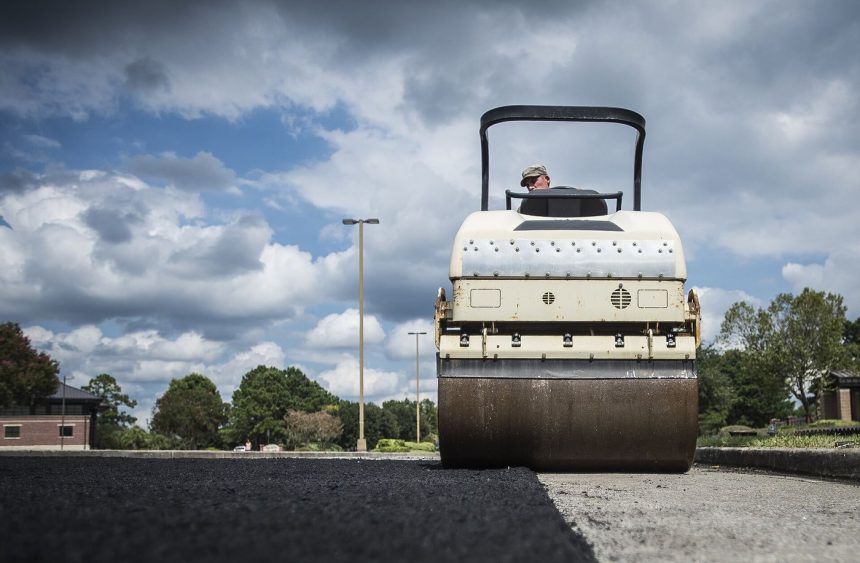
The old road surface planed off a city street in the morning may return to the same neighbourhood within days, as recycled asphalt becomes a routine part of resurfacing work. Highways teams now send removed material for processing, where it is cleaned, graded and blended into new mixes used on roads and footways. Engineers say modern recycling can maintain quality when mixes are tested properly, while reducing the need for freshly quarried stone and new bitumen. Residents watching the work will see the same rollers and paving machines as usual; the change lies in where the material came from and where the old surface goes. The approach is already common in some countries, and British highways teams say improved processing has steadily raised the proportion of old material that new roads can safely contain.
What the Evidence Shows
Recycling road material also cuts lorry journeys between quarries, plants and work sites, which matters on busy urban routes where every delivery adds to congestion. Councils say specifications still govern where recycled mixes can be used, with the busiest and most heavily loaded surfaces subject to the strictest testing. Trial sections are monitored for durability, skid resistance and how well they survive winter weather. Contractors have invested in plants that can handle higher proportions of reclaimed material, a shift driven by both cost and environmental reporting requirements. For road users, the promise is straightforward: streets resurfaced to the standard they expect, with less waste buried or hauled away in the process. Results from the monitored sections will be published for other councils to study. Reporting and analysis from sources such as BBC News track the same developments, and specialists following recycled asphalt resurfacing say the direction is now consistent across independent lines of evidence.
The Wider Context
The wider context is a public conversation conducted at a speed institutions were not built for. Developments around recycled asphalt resurfacing are announced, contested and revised within a single news cycle, and the officials involved have learned to publish evidence alongside claims so that scrutiny can actually occur. Trust, the polling suggests, follows that transparency more than it follows confidence.
What Happens Next
What happens next in the story of recycled asphalt resurfacing will be decided in the places where it is being implemented, measured and argued about in public. The officials and organisations involved have committed to publishing progress data, and that commitment gives residents, businesses and journalists something firmer than promises to judge. The next milestones are dated, which means they can be checked. You can follow related developments in our coverage of news.
None of this will be settled by a single announcement, study or product launch. The pattern to watch is accumulation: independent confirmations, honest reporting of failures and steady improvement in the underlying numbers. Readers who follow those signals, rather than the loudest claim of the week, will understand this subject better than most of the commentary surrounding it suggests is possible.