

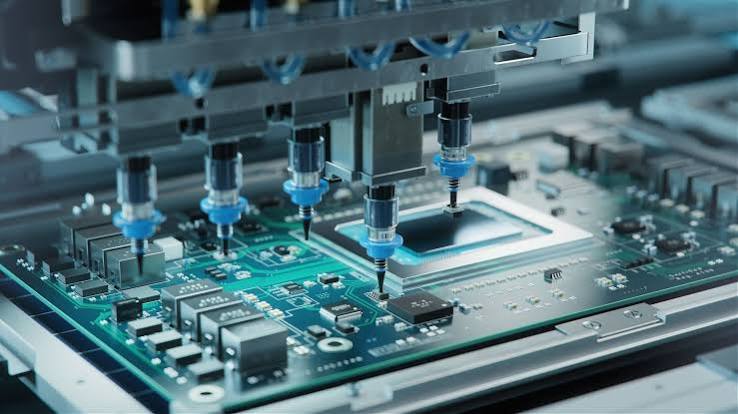
PCB assembly is a critical process in modern electronics manufacturing, transforming printed circuit boards into functional electronic products. From consumer electronics and industrial automation to automotive systems and aerospace technology, reliable PCB assembly ensures that electronic components work together efficiently and consistently. As demand for advanced electronic devices continues to grow, businesses need dependable manufacturing partners that deliver precision, quality, and cost-effective production.
Whether you need prototype development, small-batch production, or large-scale manufacturing, understanding the PCB assembly process can help you make informed decisions and choose the right manufacturing solution for your project.
What Is PCB Assembly?
PCB assembly, commonly known as PCBA, involves mounting and connecting electronic components to a printed circuit board. Unlike bare PCB manufacturing, which produces the board itself, PCB assembly adds the resistors, capacitors, integrated circuits, connectors, and other components required to make the board functional.
A professional PCB assembly service typically includes component sourcing, solder paste application, component placement, soldering, inspection, and functional testing. These steps ensure that each assembled board meets the required electrical and mechanical specifications.
Working with an experienced PCB assembly manufacturer can simplify production, reduce manufacturing errors, and help businesses bring electronic products to market faster.
Understanding the PCB Assembly Process
A reliable PCB assembly process involves several carefully controlled stages.
1. Design Review and Preparation
Before manufacturing begins, engineers review the PCB design files, bill of materials (BOM), and assembly drawings. This step helps identify potential design issues, component compatibility problems, and opportunities to improve manufacturability.
2. Electronic Component Sourcing
Electronic component sourcing ensures that all required parts are available before production starts. A trusted supplier helps businesses source genuine components, manage lead times, and reduce the risk of counterfeit or obsolete parts.
3. SMT Assembly
Surface mount technology (SMT) assembly is one of the most widely used methods in electronics manufacturing. Components are placed directly onto the surface of a PCB using automated equipment. SMT supports high-density designs, consistent placement accuracy, and efficient mass production.
4. Through-Hole Assembly
Through-hole assembly involves inserting component leads into holes drilled through the circuit board and soldering them in place. This method is commonly used for connectors, larger components, and applications requiring strong mechanical connections.
5. Inspection and Testing
After soldering, assembled boards undergo inspection and testing. Automated optical inspection (AOI), X-ray inspection, in-circuit testing, and functional testing can help identify soldering defects, component placement issues, and electrical failures.
Benefits of Professional PCB Assembly Services
Choosing professional PCB assembly services offers several advantages for businesses across different industries.
Improved quality: Controlled manufacturing processes and inspection procedures help maintain consistent product quality.
Faster production: Automated equipment and streamlined workflows reduce assembly time and support quicker product launches.
Cost efficiency: An integrated manufacturing partner can optimize component purchasing, reduce production waste, and minimize costly rework.
Scalable production: Businesses can move from prototypes to low-volume manufacturing and high-volume production without unnecessarily changing suppliers.
Technical expertise: Experienced engineers can identify design challenges and recommend improvements before they become expensive manufacturing problems.
Prototype PCB Assembly and Quick-Turn PCB Assembly
Prototype PCB assembly is essential when developing a new electronic product. It allows engineers to evaluate circuit performance, verify component selection, and identify design improvements before committing to full-scale production.
Quick-turn PCB assembly is particularly useful for projects with tight development schedules. By coordinating component sourcing, production planning, and assembly operations, manufacturers can help reduce turnaround times while maintaining appropriate quality controls.
For startups, product developers, and engineering teams, these services support faster testing, shorter development cycles, and more efficient product launches.
Applications of PCB Assembly
PCB assembly supports a wide range of industries and technologies.
- Consumer electronics: Smartphones, computers, smart home devices, and wearable technology.
- Automotive electronics: Control modules, sensors, infotainment systems, and power management circuits.
- Industrial control PCBA: Automation equipment, motor controllers, monitoring systems, and industrial communication devices.
- Aerospace PCB assembly: Electronic control and monitoring systems designed for demanding operating environments.
- Medical electronics: Diagnostic equipment, monitoring devices, and other electronic instruments requiring carefully controlled manufacturing processes.
Each application has different performance, reliability, and compliance requirements. Selecting a manufacturer with relevant industry experience helps ensure that the assembly process aligns with the intended use of the product.
How to Choose the Right PCB Assembly Manufacturer
Selecting the right PCB assembly manufacturer involves more than comparing prices. Businesses should evaluate several important factors before making a decision.
First, assess the manufacturer’s technical capabilities, including SMT assembly, through-hole assembly, fine-pitch component placement, and BGA assembly. Confirm that its equipment and processes support your board design.
Second, review quality assurance procedures, inspection capabilities, traceability practices, and relevant certifications. These factors are especially important for products used in automotive, aerospace, medical, and industrial applications.
Third, evaluate component sourcing capabilities, production capacity, communication, and delivery performance. Transparent quotations and clear production timelines can help prevent unexpected costs and delays.
Finally, consider whether the manufacturer can support your project as it grows from prototype development to commercial production.
Conclusion
PCB assembly plays an essential role in producing reliable, high-performance electronic products. From SMT assembly and electronic component sourcing to prototype PCB assembly and comprehensive quality testing, every stage contributes to the performance and durability of the finished device.
By partnering with an experienced PCB assembly manufacturer, businesses can improve production efficiency, manage manufacturing costs, and accelerate product development. Whether you require quick-turn PCB assembly, industrial control PCBA, or large-scale electronics manufacturing services, choosing a partner with the right technical capabilities and quality standards is a valuable step toward long-term success.