
How Poor Ventilation Can Affect Your Kitchen
A well-designed kitchen is built to handle everyday cooking, but the environment created during meal preparation can have a lasting impact on the materials within it. Steam rises from boiling pots, grease becomes airborne while frying and temperatures fluctuate throughout the day. When these by-products are not removed efficiently, they remain trapped inside the room, creating excess moisture and residue that can gradually affect surrounding surfaces.
While stone benchtops are valued for their durability, they are not immune to the effects of poor ventilation. Over time, excessive humidity, condensation and grease build-up can affect the appearance and longevity of natural stone slabs, making regular maintenance increasingly important. Good ventilation does more than improve comfort. It also helps preserve the condition of kitchen surfaces for years to come.
How Ventilation Impacts Stone
Cooking generates heat, moisture, grease particles and airborne contaminants. Without adequate airflow, these elements accumulate inside the kitchen instead of being expelled outdoors. Steam can settle on benchtops, cabinets, splashbacks and walls, while grease may form a thin film that attracts dirt and dust.
Although many types of stone are durable, they can still be affected by prolonged exposure to moisture and contaminants. Natural stone contains microscopic pores, and while sealers reduce absorption, they do not make the material completely impermeable. Continuous exposure to humidity can place additional stress on protective sealants, allowing moisture and stains to penetrate more easily over time.
Temperature fluctuations may also contribute to gradual wear. Repeated heating from cooking followed by cooling can cause subtle expansion and contraction in surrounding materials. While these changes are usually minor, long-term exposure combined with moisture and grease can accelerate surface ageing, particularly when maintenance is neglected. Proper ventilation helps manage indoor humidity and reduces condensation that may otherwise contribute to moisture-related problems.
Signs of Early Damage
The effects of poor ventilation rarely appear overnight. Instead, gradual changes often become noticeable after months or years of regular cooking.
One of the earliest signs is persistent staining. Moisture carrying oils, food particles and airborne grease may settle on the surface, making certain areas more difficult to clean. If the stone’s protective seal has weakened, these substances may gradually penetrate below the surface.
Loss of shine is another common indicator. Grease residue and mineral deposits from condensation can leave the surface looking dull even after cleaning. Homeowners may assume the stone itself has deteriorated when the issue is actually a combination of residue build-up and worn sealant.
Moisture accumulation around sinks, splashbacks and joints may also encourage mould or mildew growth where ventilation is inadequate. While the stone itself may resist mould, surrounding grout lines, silicone joints and cabinetry are often more vulnerable to prolonged dampness.
Another warning sign is sealer deterioration. Protective sealants naturally wear over time, but constant exposure to steam and moisture may shorten their effective lifespan. Once this protective barrier weakens, stains and water absorption may become more noticeable.
Why Proper Airflow Matters
Good kitchen ventilation helps remove moisture before it settles on surrounding surfaces. An effective extraction system can reduce humidity levels, limit condensation and capture grease particles that would otherwise accumulate throughout the room.
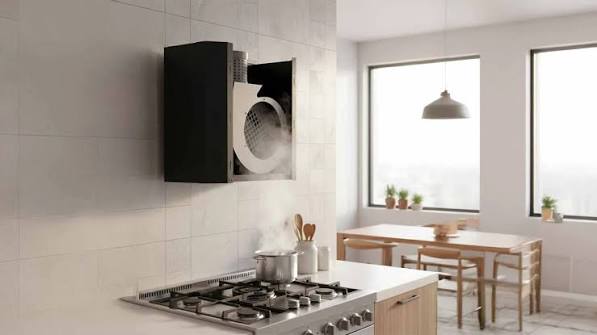
Rangehoods that vent outdoors are particularly effective because they remove steam directly from the cooking area rather than allowing it to circulate within the home. Opening windows where practical can also improve natural airflow, although mechanical ventilation is generally more reliable during extended cooking sessions.
Maintaining balanced humidity levels benefits more than stone surfaces. Cabinets, painted finishes, timber components, grout, sealants and other kitchen materials also experience less moisture-related stress when ventilation is adequate.
Reducing airborne grease provides another advantage. Instead of settling on benchtops and cabinetry, much of the grease is captured by the extraction system, making routine cleaning easier and reducing long-term surface build-up.
Professional Solutions
Protecting stone surfaces requires a combination of proper ventilation and ongoing maintenance. Installing or upgrading a suitable rangehood is often one of the most effective ways to reduce steam, grease and humidity during cooking. Choosing a unit that vents externally rather than simply recirculating air may further improve moisture control and indoor air quality.
Routine cleaning also plays an important role. Gentle, pH-neutral stone cleaners help remove grease and food residue without damaging the surface or its protective seal. Harsh chemicals and abrasive products should generally be avoided, as they may reduce the effectiveness of sealants or affect the finish.
Periodic resealing is another valuable maintenance step. Since sealants gradually wear through normal use, a professional assessment can help determine when resealing is necessary to restore protection against moisture and staining.
For stone surfaces showing signs of dullness, staining or surface wear, professional restoration services such as deep cleaning, honing, polishing and resealing may help restore both appearance and functionality while extending the life of the material.
Protecting Your Stone Surfaces for the Future
Kitchen ventilation is often overlooked until problems begin to appear, yet it plays a significant role in preserving interior finishes. Excess steam, grease and humidity may seem harmless during everyday cooking, but their cumulative effects can gradually reduce the appearance and durability of natural stone.
By maintaining good airflow, using an effective rangehood, cleaning surfaces regularly and arranging periodic resealing, homeowners can help protect their stone benchtops from unnecessary wear. Taking preventative steps today can reduce future maintenance requirements and help keep stone surfaces looking their best for many years.
FAQs
Can poor ventilation damage stone benchtops?
Poor ventilation does not usually damage stone immediately, but prolonged exposure to moisture, grease and condensation can contribute to staining, sealant deterioration and surface dullness over time.
Does steam affect sealed natural stone?
Yes. Sealers reduce moisture absorption but do not make stone completely waterproof. Continuous exposure to steam and humidity can gradually reduce their effectiveness.
How often should stone surfaces be resealed?
The frequency depends on the stone type, usage and environmental conditions. Kitchens with frequent cooking and high humidity may require more regular inspections to determine when resealing is appropriate.
Is a rangehood necessary for protecting stone surfaces?
A properly installed rangehood helps remove moisture, grease and cooking by-products before they settle on kitchen surfaces, making it an important part of long-term maintenance.
Can mould develop around stone benchtops?
While stone itself is generally resistant, mould can develop around grout lines, silicone joints and surrounding materials if moisture remains trapped due to poor ventilation.
What is the best way to maintain natural stone in the kitchen?
Regular cleaning with suitable stone-safe products, prompt spill removal, adequate ventilation and periodic professional resealing all help preserve the appearance and durability of natural stone.