

Small Defects Can Lead to Big Pest Problems
A small crack in an exterior wall, a leaking pipe beneath the kitchen sink or a loose roof tile may not seem like an urgent maintenance issue. Many homeowners postpone these minor repairs because they appear harmless or purely cosmetic. However, even small property defects can create ideal conditions for pests to enter, hide and establish breeding or nesting sites within a home.
Pests are constantly searching for shelter, moisture and food. Structural weaknesses provide easy access while also offering the protection they need to remain undetected. What begins as a simple maintenance issue can gradually develop into a significant pest infestation that is far more expensive and time-consuming to resolve. Regular property maintenance is one of the most practical ways to reduce pest risks before an infestation becomes established.
Common Defects to Watch For
Many pest infestations begin through entry points that homeowners rarely notice. Small cracks in walls, foundations or brickwork can allow insects and rodents to move inside with little difficulty. Gaps around doors and windows may also create easy access routes, particularly when weather seals become worn or damaged.
Leaking pipes are another common concern. Moisture can attract numerous pests, including cockroaches, ants and termites, while damp areas may also support the insects that spiders feed on. Even slow leaks beneath sinks or inside wall cavities can create suitable conditions for pest activity before visible water damage appears.
Damaged vents and broken roof tiles also deserve attention. Roof voids provide warm, sheltered spaces that rodents, insects and spiders may use for nesting or harbourage. Once pests gain access through damaged roofing or ventilation openings, they can spread throughout the property while remaining largely hidden.
Other defects, such as deteriorated sealants around utility penetrations, loose flashing, blocked drainage and damaged weather stripping, may also increase the likelihood of pest entry. Individually, these issues may appear insignificant, but together they can create numerous opportunities for unwanted pests.
How Pests Take Advantage
Different pests exploit different types of property defects depending on their behaviour and habitat preferences.
Ants often enter through small cracks in foundations or around window frames while searching for food. Cockroaches favour damp environments created by leaking plumbing and may hide behind kitchen appliances, inside cupboards or beneath sinks where moisture is readily available.
Rodents require surprisingly little space to enter a building. Small gaps around utility pipes, damaged vents, loose roof materials and openings beneath doors may provide sufficient access. Once inside, they seek quiet nesting areas such as roof spaces, wall cavities and storage rooms.
Spiders are often found in sheltered areas where insect prey is available. Structural cracks, cluttered storage spaces and unused corners can provide suitable locations for webs and hunting.
Termites are particularly associated with moisture and timber. Leaking pipes, inadequate drainage, poor ventilation, cracks in slabs and timber in contact with damp soil may increase the risk of termite activity. They can enter buildings through concealed areas, making infestations difficult to detect until damage has already occurred.
Why Early Repairs Matter
Addressing minor maintenance issues promptly can significantly reduce the likelihood of pest infestations. Sealing cracks, repairing damaged roofing, replacing worn weather seals and fixing plumbing leaks remove many of the conditions that pests rely on.
Early repairs also help prevent moisture accumulation, which is one of the most common factors contributing to pest activity. Dry, well-maintained homes are generally less attractive to insects and rodents than properties with ongoing water leaks or structural deterioration.
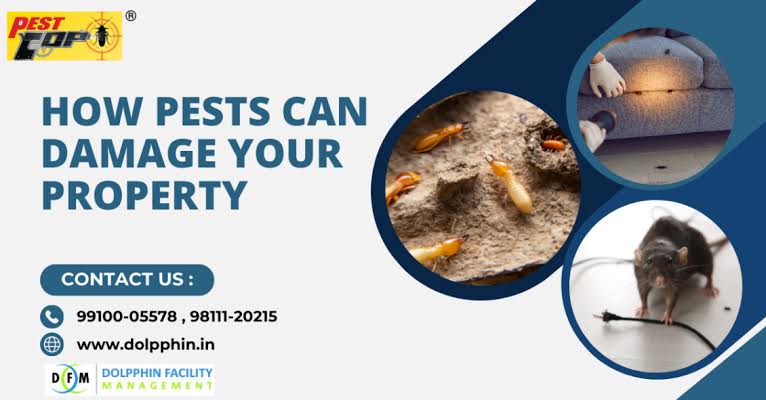
From a financial perspective, preventative maintenance is usually less expensive than repairing damage caused by an established infestation. Rodents may chew electrical wiring, cockroaches can contaminate food preparation areas and termites can cause extensive timber damage if left untreated. Detecting and correcting small defects early may help prevent these larger repair costs.
Routine inspections also allow homeowners to identify problems before they become obvious. Hairline cracks, deteriorating sealants, blocked drainage and damaged roof components can often be corrected before pests take advantage of them.
Professional Solutions for Long-Term Prevention
While homeowners can address many basic maintenance tasks themselves, some property defects remain difficult to identify without a thorough inspection. Hidden moisture problems, concealed structural gaps, roof access points and early pest activity may require a more comprehensive assessment.
Routine property inspections combined with Pest Control Surry Hills services can help identify existing infestations as well as the environmental conditions that support them. Rather than focusing only on visible pests, inspections may identify hidden harbourage areas, moisture sources, structural entry points and maintenance issues that contribute to recurring pest problems.
Addressing both the pest activity and the underlying property defects provides a more effective long-term approach than treating pests alone.
Protect Your Property Before Small Problems Grow
Minor maintenance issues rarely remain minor forever. Small cracks can become larger, roof damage may worsen with changing weather and slow plumbing leaks can continue creating damp conditions that attract pests. Waiting until pests become obvious often means the infestation has already become established.
Scheduling regular inspections and arranging Pest Control Surry Hills services when early warning signs appear can help homeowners identify risks before they develop into larger structural or pest-related problems. Combined with ongoing maintenance, this proactive approach helps protect both the condition of the property and the people living inside it.
FAQs
Can tiny cracks really allow pests into a home?
Yes. Even small cracks and gaps around foundations, windows, doors and utility penetrations can provide entry points for insects and rodents.
Why do leaking pipes attract pests?
Leaking pipes create damp conditions and accessible water sources that may attract pests such as cockroaches, ants, termites and rodents.
Can damaged roof tiles lead to pest infestations?
Yes. Broken roof tiles and damaged vents can allow rodents, insects and spiders to enter roof spaces where they may establish nests or harbourage areas.
Are termites attracted to property defects?
Yes. Moisture, timber contact with soil, structural gaps, poor drainage and inadequate ventilation can all increase the risk of termite activity.
How often should a property be inspected for pest risks?
A general property and pest-risk inspection at least once a year can be useful, with additional checks after severe weather, renovations or when leaks and structural damage are identified. Properties at higher termite risk may require more frequent professional inspections.
Can repairing small defects reduce future pest problems?
Yes. Promptly sealing entry points, repairing leaks, maintaining roofing and correcting drainage issues can remove many of the conditions that allow pests to enter and establish infestations.