
Key Takeaways
Enhancing the appeal and structural integrity of log cabins through restoration can revive both beauty and character that may have faded with time.
Repairing log cabins is not just an expense; it’s a sound financial strategy, preventing costly future problems while boosting property value.
Improving energy efficiency during restoration can lead to reduced utility costs and greater comfort, making log cabins more enjoyable year-round.
Experts combine traditional craftsmanship with contemporary techniques, ensuring effective restoration while respecting the authentic heritage of log cabins.
Utilizing top-notch materials in the restoration process contributes to enhanced durability, decreased maintenance needs, and a smaller environmental footprint.
Failing to maintain log cabins can lead to serious problems, like pest infestations and structural wear, underscoring the necessity of regular care.
Creating a living legacy for future generations through sustainable upkeep fosters appreciation for these resources and responsible stewardship.
Rediscovering Rustic Charm: Why Restoration Matters
The Aesthetic Impact of Log Cabin Restoration
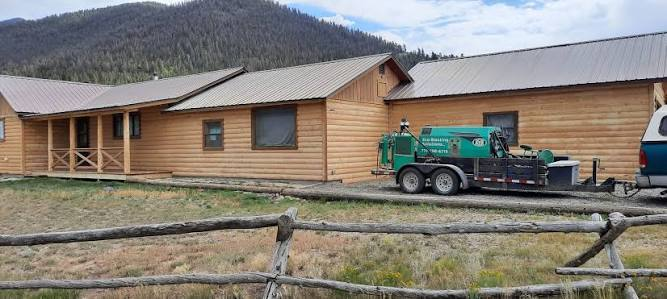
There’s an undeniable charm in log cabins that draws in lovers of rustic living. A timely and well-executed restoration brings these structures’ original beauty back to life. Professionals skilled in restoration often remark on how the process revives natural wood tones, highlights grain patterns, and renews unique character that time may have dulled. Many clients notice that a carefully restored cabin beautifully reflects the nostalgic essence of simpler times.
The allure of a restored log cabin runs deeper than surface aesthetics. Its structural integrity adds to its visual appeal; repaired logs not only look appealing but also stand strong against the forces of nature. This synergy between beauty and function enhances the overall charm of the log cabin.
What specific visual changes can one expect? Here are a few examples:
- Revitalized Exterior Finishes: Fresh stains and finishes not only enhance wood color but also protect against decay.
- Repairing Damaged Logs: This restoration helps maintain symmetry and lines that define the cabin’s visual impact.
- Architectural Features Restored: Elements like porches and windows often regain their original beauty and functionality.
Enhancing Curb Appeal: First Impressions Count
First impressions matter greatly. A well-kept log cabin conveys warmth and tells a story of care, attention, and enduring history. When potential buyers or guests first lay eyes on a cabin, that initial moment shapes their entire experience. Experts often state, “An inviting cabin sets the scene for cherished memories.”
Improvements in curb appeal through restoration can significantly affect market value. Research indicates that properties with captivating exteriors can demand higher prices. Here’s what makes curb appeal elevate:
- Landscaping Harmony: Aligning the cabin’s style with thoughtful landscape design creates a seamless transition.
- Spotless Exteriors: Clean surfaces, accurately stained logs, and small details like tidy gutters contribute to an overall perception of care.
- Functional Entryways: Making porches and steps inviting can truly make a difference.
“Curb appeal isn’t just about looks; it’s about forging emotional bonds.”
This highlights the power of effective log cabin repair and restoration, stirring interest way before someone even steps inside.
Cost-Effective Solutions: Long-Term Savings from Repairs
Investing Wisely: Balancing Upfront Costs with Future Value
Investing in log cabin restoration isn’t just about looks; it’s a prudent financial choice. Property owners may often find themselves hesitant, daunted by the upfront repair costs. However, the reality often tells a different story. When done professionally, these updates yield significant savings in the long run.
Think of the outcomes when a cabin receives proper care. Putting off essential repairs can lead to even bigger problems later on. It’s a form of preventive maintenance. Experts frequently highlight that spending a dollar now can ultimately save hundreds, if not thousands, tomorrow. Here’s how:
- Prevention of Structural Damage: Tackling issues like rot or pest infestations early wards off costly repairs later.
- Increased Property Value: Quality restoration appeals to modern buyers, who are often willing to pay a premium for it.
- Reduction in Emergency Repairs: Proactive upkeep typically results in fewer urgent and expensive fixes.
Boosting Energy Efficiency: Lower Bills and Improved Comfort
Energy efficiency isn’t just a trendy term; it’s essential in today’s eco-aware world. Restored log cabins can significantly enhance energy efficiency through targeted repairs. When focusing on energy performance, restoring cabins often transforms them into sturdy shields against the elements, keeping interiors cozy during winter and cool in summer.
How does this all work? While log cabins have impressive thermal mass, they require proper upkeep to function at their best. That’s where expert restoration shines:
- Sealing Cracks and Gaps: Effectively sealing the logs reduces air leaks tremendously.
- High-Quality Insulation: Insulating spaces between logs enhances efficiency.
- Modern Windows and Doors: Upgrading to energy-efficient designs reduces heating and cooling costs significantly.
When finances are in play, embracing energy efficiency results in lower bills, improved comfort, and a more enjoyable living experience. It’s not merely about preserving a cabin; it’s about enhancing the overall quality of life.
Expert Techniques: How Skilled Restoration Preserves Heritage
Traditional Methods vs. Modern Innovations in Cabin Care
Restoration often resembles an art form rooted in expertise and craftsmanship. When differentiating between traditional methods and modern innovations, the real distinction lies in how they blend to deliver effective solutions. Skilled professionals often employ time-honored techniques while embracing modern tools that streamline and enhance the process.
Consider the intricacies involved in log repair. From hand-hewn strategies of the past to cutting-edge tools of today, approaches can vary significantly. By merging the old with the new, experts safeguard the cabin’s heritage while ensuring its longevity and structural integrity. Here are some techniques to note:
- Hand-Tool Restoration: Manual methods help retain the cabin’s authenticity, preserving its character and aesthetic.
- Advanced Sealants: Modern materials offer superior protection against water damage and pests.
- Technology-Driven Inspections: Utilizing drones and infrared imaging can reveal hidden issues.
The Role of Quality Materials in Lasting Restoration
The choice of materials has a crucial impact on restoration efforts. Think of logs, finishes, and sealants as vital components of a log cabin. Cutting corners with inferior materials doesn’t just compromise visual appeal; it can also shorten the structure’s lifespan. Opting for high-quality materials offers distinct advantages:
- Durability: Quality wood and finishes endure environmental challenges much better.
- Less Frequent Maintenance: Superior materials significantly lower repair frequencies, thus saving both time and money.
- Sustainability: Eco-friendly options lessen environmental impact while enhancing the cabin’s overall look.
It’s fascinating how a simple material choice can influence both immediate living conditions and long-term homeownership experiences. Clients can take comfort in knowing that high-quality materials equate to lasting solutions.
Peace of Mind: Protecting Your Investment and Home
Understanding the Risks of Neglecting Log Maintenance
Many property owners fall into the trap of neglecting log cabin maintenance. The common thought is, “It won’t happen to me.” However, the stark reality is that neglect can silently undermine a cabin. Those hidden complications can accumulate rapidly. Professionals consistently point out various risks that arise from abandonment:
- Pest Infestations: Critters like woodpeckers or carpenter ants can cause significant damage to an uncared-for cabin.
- Mold and Mildew: Moisture intrusion, when left unattended, can lead to harmful and unsightly growth.
- Decreased Structural Integrity: Ignoring rot can weaken logs, jeopardizing overall stability.
Creating a Sustainable Environment for Future Generations
Preservation extends beyond the present; it paves the way for future enjoyment. A sustainably maintained cabin creates a legacy meant for generations to come. This journey encompasses more than just aesthetic appeal; it involves responsible stewardship of valuable resources.
With some commitment, homeowners can establish a sustainable environment. Here are a few tips:
- Educate Family and Friends: Share knowledge regarding ongoing maintenance to foster awareness.
- Involve Future Generations: Encourage youngsters to take part in upkeep to nurture appreciation.
- Use Eco-Friendly Products: Choosing sustainable materials supports efforts toward environmental protection.
Ultimately, the log cabin signifies more than just a residence; it symbolizes heritage, love, and care. The journey of restoration is not merely a task; rather, it’s a heartfelt mission focused on preserving what truly matters.
FAQ
What are the signs that indicate a log cabin needs restoration?
Signs such as peeling paint, visible cracks in logs, and sagging roofs are red flags. Clients also tend to notice rising energy bills or drafts, signaling underlying problems that need prompt attention.
How long does a typical log cabin restoration project take?
The duration can vary significantly based on the cabin’s size and its condition. Typically, restoration may span from several weeks to a few months, especially if extensive repairs are necessary. The complexity of tasks involved plays a major role in how long the process takes.
Can log cabin restoration be done as a DIY project?
While some aspects might be feasible for DIY efforts, many tasks, particularly structural repairs and advanced sealing, require professional expertise. It’s generally advisable for homeowners to consider hiring skilled professionals to achieve optimal results and ensure lasting durability.
What types of materials are best for log cabin restoration?
Experts recommend high-quality, sustainable materials. Seek out products specifically designed for log construction, such as durable sealants and treated lumber, to promote longevity and resist decay over time.
How does log cabin restoration affect property value?
When executed well, restoration can significantly enhance a cabin’s market worth. Potential buyers appreciate the work invested into maintaining and upgrading a property and are often willing to pay more for a well-restored cabin.
What should one expect during the restoration process?
One should anticipate thorough inspections, discussions about design choices, and a clear timeline for completion. Professionals typically keep clients updated throughout the process, ensuring transparency and alignment on project objectives and results.
How can homeowners maintain a restored log cabin effectively?
Regular maintenance is essential, involving inspections of seals, applying fresh stains, and monitoring for pests. Homeowners might consider implementing a maintenance schedule to catch and address small issues before they escalate into bigger problems.
Are there eco-friendly options available for log cabin restoration?
Absolutely, many eco-friendly products are available for log cabin restoration, including non-toxic stains and sustainable materials. These choices help to minimize environmental impacts while ensuring necessary durability and protection for the cabin.