

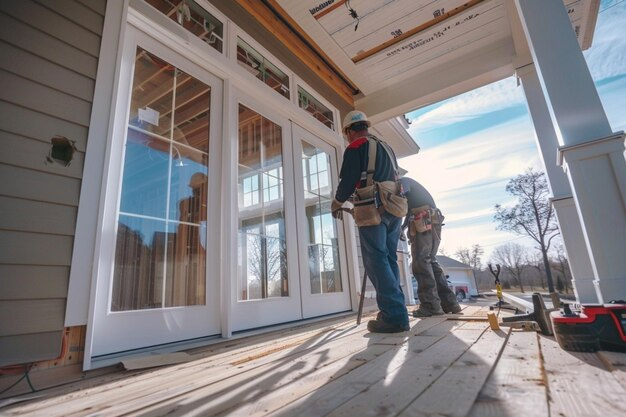
Doors and windows do more than provide access, daylight, and ventilation. They form a physical barrier between a property and the outside environment. Broken locks, damaged frames, cracked glass, or windows that no longer close properly can leave a building exposed. Professional doors and windows repair can address these faults, restore proper operation, and help protect occupants, equipment, and property from unnecessary risks.
For commercial facilities, even a minor defect can become a daily inconvenience. A door that will not latch can affect security. A damaged window can allow rain and wind inside. Delaying the repair may also turn a relatively contained problem into a larger maintenance issue.
Damaged Doors Can Create Security Gaps
A door can appear functional while still having a serious weakness. Loose hinges, worn closers, damaged frames, faulty locks, and misaligned panels can prevent a door from closing or securing properly.
In busy buildings, doors experience repeated use throughout the day. Entry doors, emergency exits, loading-area doors, restroom doors, and interior access points can all develop wear over time. Constant opening and closing gradually places stress on hinges, handles, closers, and locking mechanisms.
Common warning signs include:
- A door that sticks against the frame
- Difficulty turning the handle or key
- A lock that does not engage consistently
- Visible cracks or damage around the frame
- Loose hinges or hardware
- A door that closes too quickly or too slowly
- Gaps around the closed door
- Damaged weatherstripping
A door that requires force to close should not simply be pushed harder. Misalignment or damaged hardware may be responsible, and repeated force can make the problem worse.
Windows Need More Than Clean Glass
Window problems are not limited to cracked panes. Frames, seals, tracks, latches, hinges, and surrounding materials can also fail.
A window that does not close tightly can create security concerns and allow outside air or moisture into the building. Failed seals may lead to drafts or condensation between panes. Cracked glass presents an obvious physical hazard, particularly in areas where employees, customers, tenants, or visitors pass frequently.
Water intrusion around a window can be especially troublesome. Moisture may enter through damaged seals or deteriorated frame joints and gradually affect drywall, insulation, flooring, and other nearby materials.
Prompt repairs can help prevent a localized window defect from becoming a broader building maintenance problem.
Signs That a Door or Window Needs Attention
Some problems are immediately visible, while others develop gradually. Property managers should pay attention to changes in how doors and windows operate.
A door that once closed smoothly but now drags across the floor may have shifted or developed hardware problems. A window that becomes increasingly difficult to open may have an issue with its track, frame, or operating mechanism.
Other signs include rattling glass, drafts, water stains near frames, deteriorating sealant, loose handles, damaged locks, and visible gaps.
Keeping track of recurring problems can also help identify components approaching the end of their useful service life. Repeated adjustments may indicate that a more permanent repair is needed.
Security and Weather Protection Go Together
A properly functioning door or window contributes to more than physical security. It also helps control the building’s exposure to weather.
Gaps around frames can allow rain, wind, dust, and outdoor air to enter. Damaged weatherstripping can reduce the effectiveness of exterior openings and contribute to uncomfortable interior conditions.
During severe weather, compromised windows can become particularly vulnerable. Cracked glass, damaged frames, or poorly secured openings may allow water and debris into occupied areas.
Repairing these defects helps restore the intended barrier between the interior and exterior of the property.
Commercial Properties Face Heavy Wear
Commercial doors and windows often experience substantially more use than those in private residences. Employees may pass through entrances hundreds of times during a busy workday. Customers and visitors may repeatedly use public access doors. Delivery areas may experience contact with carts, equipment, and vehicles.
This repeated activity can accelerate wear on hardware and frames. A small defect can also interfere with normal operations if it affects an important entrance, office, restroom, storefront, or service area.
Facility managers need repairs that address the actual cause of the failure. Replacing a loose screw may solve a simple hardware problem, while a damaged frame or distorted door may require more extensive work.
Facility Network Helps Keep Properties Functional
Door and window maintenance is one part of a much larger property maintenance picture. A damaged opening can sometimes be connected to other concerns, such as water intrusion, wall damage, deteriorated sealants, or security issues.
Facility Network supports property owners and facility managers with maintenance needs across commercial and managed properties. Coordinating building services through a facilities provider can make it easier to address problems before they interfere with normal operations.
For property teams, having a clear process for reporting damaged doors and windows can also reduce delays. Staff should know who to notify when a lock fails, glass breaks, a door becomes difficult to operate, or water begins entering around a window.
Repairs Can Preserve Existing Components
Replacement is not always necessary. Depending on the condition of the opening, a professional may be able to repair or adjust the existing door or window.
Hardware can sometimes be replaced without replacing the entire door. Hinges, closers, handles, locks, weatherstripping, tracks, and other components may be serviced individually. Window repairs may involve replacing damaged hardware, seals, or glass while retaining the existing frame.
An inspection helps determine the appropriate course of action. Repairing a serviceable component can preserve the existing installation while addressing the specific defect.
Regular Inspections Reduce Unexpected Problems
Routine inspections allow property managers to catch defects before they become urgent. Doors should be checked for proper closing, latching, alignment, and hardware condition. Windows should be examined for cracks, damaged seals, loose components, and signs of water intrusion.
Exterior openings deserve particular attention after severe weather, construction activity, or accidental impact. A quick inspection after such events can reveal damage that might otherwise remain unnoticed.
Maintenance teams can also record recurring faults and completed repairs. This information makes it easier to identify problem areas and plan future maintenance.
A Secure Building Starts With Functional Openings
Doors and windows are often taken for granted until something stops working. A faulty lock, cracked pane, loose frame, or poorly closing door can affect security, weather protection, comfort, and daily operations at the same time.
Addressing these problems promptly helps keep the property safer and reduces the chance that a small defect will lead to additional damage. Professional assessment can also determine whether a component needs adjustment, repair, or replacement.
Facility Network can assist property teams with building maintenance needs involving doors, windows, and other facility systems. Contact us today to discuss professional repair services for your property.