

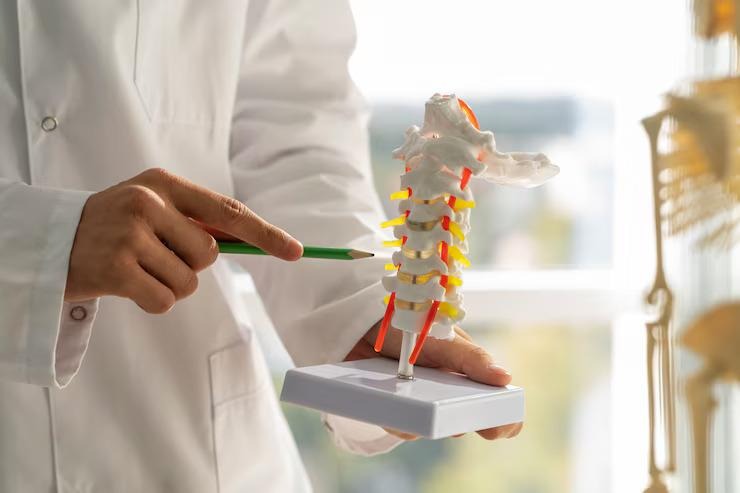
Back pain, neck discomfort, and spine-related disorders affect millions of people worldwide. While many cases improve with conservative treatments, like exercise or medication, persistent or severe spine issues usually require specialized care.
Spine specialists are doctors trained to diagnose, treat, and manage conditions affecting the spine, spinal cord, and nerves. Their expertise plays an important role in ensuring accurate diagnosis, personalized treatment planning, and optimal recovery outcomes.
This article explores the importance of spine specialists, the range of conditions they treat, and how their expertise benefits patients in a hospital setting.
Who Are Spine Specialists and What Do They Do?
Spine specialists include a variety of healthcare professionals who focus on diseases and injuries of the spine. They generally have training in multiple disciplines depending on their specialty.
Types of Spine Specialists
- Orthopedic Spine Surgeons: Focus on surgical treatment of spine disorders, fractures, and deformities.
- Neurosurgeons: Treat spine issues that involve nerve compression, spinal cord tumors, and neurological conditions.
- Physiatrists (Physical Medicine & Rehabilitation): Specialize in non-surgical management of pain and functional restoration.
- Pain Management Physicians: Use injections and therapies to reduce chronic spinal pain.
- Physical Therapists: Develop exercise plans to improve strength, flexibility, and posture.
Together, they form a multidisciplinary team that evaluates and treats complex spinal conditions.
Why Specialized Spine Care Matters
The spine is a complex structure composed of vertebrae, discs, nerves, ligaments, and muscles. Disorders affecting any of these components may lead to pain, weakness, numbness, or loss of mobility.
Accurate diagnosis is essential because similar symptoms may arise from different sources. For example, lower back pain could originate from a herniated disc, muscle strain, degenerative disc disease, or nerve compression.
Spine specialists use clinical training, advanced diagnostics, and evidence-based protocols to differentiate between conditions and tailor the right treatment plan.
Common Spine Conditions Managed by Specialists
Spine specialists treat a wide range of disorders that affect the back and neck, including:
Herniated Disc
A herniated disc occurs when the soft inner gel of a spinal disc bulges out through the outer layer, compressing nearby nerves. Symptoms may include pain radiating to the legs or arms, numbness, and muscle weakness.
Degenerative Disc Disease
Age-related wear and tear of spinal discs can lead to pain, stiffness, and reduced flexibility. Specialists evaluate disc degeneration through imaging and recommend appropriate care plans.
Spinal Stenosis
Spinal stenosis refers to narrowing of the spinal canal, which can compress the spinal cord or nerve roots. Symptoms include pain, numbness, and difficulty walking.
Scoliosis and Spinal Deformities
Curvature or deformity of the spine usually requires long-term evaluation and, in some cases, surgical correction.
Traumatic Spine Injuries
Accidents, falls, or sports injuries may result in fractures, dislocations, or nerve damage. Prompt specialist care is important to prevent complications.
Diagnostic Tools Used by Spine Specialists
Accurate diagnosis is key to effective treatment. Spine specialists use advanced tools to assess spinal health, including:
Imaging Technologies
- X-rays: Provide images of bone structures.
- MRI (Magnetic Resonance Imaging): Visualizes discs, nerves, and soft tissues.
- CT Scans (Computed Tomography): Detailed cross-sectional images.
- Electromyography (EMG): Tests nerve function.
These tools help specialists pinpoint the source of symptoms and guide treatment planning.
Physical and Neurological Examinations
Specialists assess:
- Range of motion
- Reflexes
- Muscle strength
- Sensation
- Pain response
Comprehensive evaluation ensures that treatment addresses the root cause, not just symptoms.
Treatment Approaches by Spine Specialists
Treatment plans vary based on the condition, severity, and patient factors. Spine specialists use a combination of non-surgical and surgical options, such as:
1. Non-Surgical Treatments
Many patients benefit from conservative care before considering surgery, including:
Physical Therapy
Customized exercise plans improve flexibility, posture, and core strength to support the spine.
Medications
Anti-inflammatory drugs, muscle relaxants, and pain medications may reduce symptoms.
Injections
Epidural steroid injections or nerve blocks can provide relief for nerve-related pain.
2. Surgical Interventions
When conservative care is insufficient or when structural issues threaten nerve function, surgery may be necessary. Common surgeries offered are:
Discectomy
Removal of part of a herniated disc to relieve nerve compression.
Spinal Fusion
Fusing two or more vertebrae to stabilize the spine and reduce pain.
Laminectomy
Removing part of the vertebral bone to decompress nerves.
Advanced techniques, such as minimally invasive surgery, reduce recovery time and surgical trauma.
Coordinated Care and Multidisciplinary Teams
Spine specialists work closely with other medical professionals to provide comprehensive care, including:
- Physical therapists help guide rehabilitation and injury prevention.
- Pain specialists focus on long-term pain management strategies.
- Nutritionists may assist with weight management, which can reduce spinal stress.
- Psychologists support patients coping with chronic pain or recovery stress.
In Delhi, patients considering the best spine hospital in West Delhi generally prioritize multidisciplinary care, access to advanced diagnostics, and seamless coordination between specialists when selecting a hospital.
Rehabilitation and Recovery after Spine Treatment
Rehabilitation is an important phase following treatment or surgery.
Physical Rehabilitation
Rehabilitation focuses on:
- Restoring mobility
- Strengthening core muscles
- Improving balance
- Enhancing functional independence
Exercises are designed according to patient needs and condition severity.
Pain Management During Recovery
Pain control may include:
- Gradual physical therapy
- Anti-inflammatory medications
- Heat and cold therapy
- Electrical stimulation techniques
Effective pain management ensures better participation in rehabilitation and improved outcomes.
Patient Education for Long-Term Spine Health
Specialists educate patients about:
- Proper body mechanics
- Posture correction
- Safe lifting techniques
- Ergonomic modifications
- Lifestyle changes
These long-term strategies prevent recurrence and support spinal wellness.
The Importance of Patient-Centered Communication
Clear communication between specialists and patients builds trust and encourages adherence to treatment plans. Spine specialists explain:
- Diagnosis and imaging results
- Treatment options and expected outcomes
- Potential risks and benefits
- Rehabilitation timelines
Understanding each step empowers patients and reduces anxiety throughout the care process.
Frequently Asked Questions
When should someone see a spine specialist?
You should consult a spine specialist when back or neck pain persists for several weeks, when symptoms include numbness or weakness, or when pain interferes with daily activities despite initial treatment.
Can spinal conditions improve without surgery?
Yes, many spine conditions improve with conservative treatments, such as physical therapy, medications, injections, and lifestyle modifications. Surgery is considered when non-surgical care fails to provide relief or when structural issues endanger nerve function.
Is spine surgery risky?
All surgeries carry risks, but advances in minimally invasive techniques and experienced surgical teams have reduced complications. Specialists assess each case to balance benefits against potential risks before recommending surgery.
How long is spine rehabilitation after surgery?
Rehabilitation length depends on the type of surgery and individual healing rates. It may range from a few weeks to several months. Early and consistent rehabilitation improves strength and function.
Can lifestyle changes prevent spine problems?
Yes, maintaining a healthy weight, practicing good posture, staying active, and using proper lifting techniques reduces stress on the spine and lowers the risk of pain or injury.
Conclusion
Spine specialists are essential in diagnosing, treating, and managing conditions that affect the back, neck, and spinal nerves. Their expertise ensures precise evaluation, personalized treatment plans, and coordinated care across disciplines.
From advanced imaging and conservative therapies to surgical intervention and rehabilitation, spine specialists guide patients through every step of the recovery process. Choosing a hospital with experienced spine specialists and comprehensive services supports better outcomes and long-term spine health.