

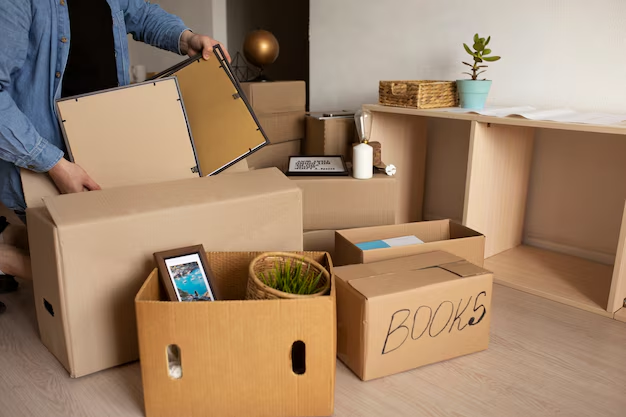
Moving furniture involves more than getting large items from one address to another. Sofas, wardrobes, dining tables, beds, cabinets, and appliances need careful handling throughout the process. For households planning a local or interstate move, Gold Coast furniture removalists can take care of the heavy lifting while helping protect belongings and property from unnecessary damage.
A successful furniture relocation starts with preparation. Knowing what needs to move, checking access at both properties, and protecting delicate surfaces can make moving day far more manageable. Professional assistance can also reduce the physical strain involved in carrying bulky items through doorways, stairs, and narrow spaces.
Begin With a Furniture Inventory
Before packing begins, walk through the property and make a list of the furniture that will be relocated. Include large pieces as well as items that may require special handling.
The inventory can include:
- Sofas and armchairs
- Beds and mattresses
- Dining tables and chairs
- Wardrobes and cabinets
- Desks and office furniture
- Entertainment units
- Outdoor furniture
- Large appliances
An inventory helps determine the amount of space required in the moving vehicle. It also makes it easier to identify furniture that may need to be dismantled before transportation.
Items that will not be used in the new property can be donated, sold, recycled, or disposed of before the move. There is little benefit in transporting furniture that has already outgrown the household.
Measure Large Pieces Before Moving Day
A large piece of furniture may fit comfortably in a room but still present a challenge when it needs to leave the building.
Measure wardrobes, sofas, beds, cabinets, and other bulky items. Compare their dimensions with doorways, corridors, staircases, gates, and lifts.
Pay attention to turning space as well. A hallway may be wide enough for a cabinet to pass through but too short to allow the item to turn toward a doorway.
Taking measurements in advance can reveal potential problems before moving day and allow the moving team to plan appropriate handling methods.
Prepare Furniture for Transportation
Furniture should be prepared before it is carried outside. Remove loose shelves, detachable legs, cushions, and other components where appropriate.
Drawers can be emptied and secured so they do not slide open during handling. Doors on cabinets and wardrobes should also be protected from opening unexpectedly.
Glass components require particular care. Mirrors, glass shelves, and display cabinet panels can be wrapped with suitable protective materials and secured separately when necessary.
Mattresses should be covered to protect them from dirt and moisture. Upholstered furniture can also benefit from protective wrapping during transportation.
Protect Floors, Walls, and Doorways
Furniture can damage a property even when the furniture itself remains unharmed. Sharp corners, heavy legs, and bulky frames can mark floors or scrape walls while being moved.
Clear the route before carrying furniture through the property. Remove rugs, small tables, decorations, and other objects that could create obstacles.
Protective coverings can be used in areas where furniture needs to pass across delicate flooring. Corners and door frames may also require additional care, particularly when large wardrobes or sofas are involved.
The destination property should receive the same preparation. A clear pathway makes unloading easier and reduces the chance of accidental contact with walls or fixtures.
Gold Coast Properties Can Present Different Access Challenges
The Gold Coast includes a wide range of residential properties, from houses and apartments to townhouses and larger homes. Each type can create different moving conditions.
Apartment relocations may require lift access, building bookings, loading zones, or coordination with property management. Townhouses can involve stairs and tight corners, while detached homes may have long driveways or restricted vehicle access.
Parking should be considered before the moving vehicle arrives. A truck parked too far from the entrance can increase the distance that furniture needs to be carried.
Providing accurate access information during the booking process allows the moving team to prepare for the property rather than discovering obstacles on arrival.
CBD Movers and Furniture Relocation
CBD Movers provides moving assistance for customers handling household and furniture relocations. Professional movers can handle tasks such as loading, transportation, unloading, and positioning furniture at the destination.
Experienced movers are also familiar with the challenges associated with bulky household items. Proper lifting techniques and suitable equipment can make it easier to move heavy pieces without putting unnecessary strain on individuals.
Customers should provide clear information about the number and type of furniture items, access conditions, stairs, lifts, and particularly fragile belongings. This information helps the moving team understand the requirements of the job.
Disassembling Furniture Can Save Space
Some furniture is easier and safer to transport after partial disassembly. Bed frames, dining tables, desks, shelving systems, and wardrobes may have removable components.
Keep screws, bolts, brackets, and other small hardware in labelled bags. Attach the bag to the relevant furniture item or place it in a clearly marked container.
Take photographs before disassembly if the construction is complicated. Images can provide a useful reference when the furniture is reassembled at the new property.
Not every item should be dismantled. Furniture with complex construction or delicate joints may require professional handling rather than improvised disassembly.
Keep Valuable Items Separate
Some belongings should not be placed in the moving vehicle with ordinary household furniture.
Important documents, jewellery, cash, small electronics, medications, and irreplaceable personal items can be transported separately. Keeping these belongings under your direct supervision provides greater control during the relocation.
Create a small essentials bag for the first night. Include toiletries, chargers, basic clothing, important paperwork, and anything else needed immediately after arriving.
This prevents everyday necessities from becoming buried beneath boxes and furniture.
Consider Storage During the Transition
Furniture sometimes needs to leave the old property before the new property is ready. Renovations, settlement delays, downsizing, or temporary accommodation can create a gap between the two locations.
Storage provides a useful option in these situations. Large furniture can be kept in a suitable storage facility until the destination property is prepared.
Before storage, furniture should be clean and dry. Upholstered items and mattresses should be protected appropriately, while wooden furniture should be kept away from excessive moisture.
Maintain an inventory of stored belongings so specific pieces can be identified without opening every container.
Make Unloading More Efficient
Moving does not finish when the truck reaches the destination. The unloading process can determine how much work remains afterward.
Decide where major furniture pieces will be placed before unloading begins. Mark rooms clearly if several people are helping.
Large items should generally be positioned first because they are harder to move around once smaller boxes and belongings occupy the space.
Avoid blocking entrances, hallways, or access to essential areas. A little planning can prevent repeated lifting and repositioning.
A Better Furniture Move Starts Before the Truck Arrives
Furniture relocation becomes considerably easier when the property, belongings, and access routes have been prepared in advance. Measuring large items, protecting surfaces, dismantling suitable furniture, and communicating access details can prevent many common moving problems.
Professional movers can take care of the physical demands of lifting, loading, transporting, and unloading, giving households more time to focus on the rest of the relocation.
For residents preparing to move across the Gold Coast, careful planning paired with professional moving assistance can make the process more manageable from the first piece of furniture to the final placement. Contact us today to discuss reliable furniture removal services for your next Gold Coast move.