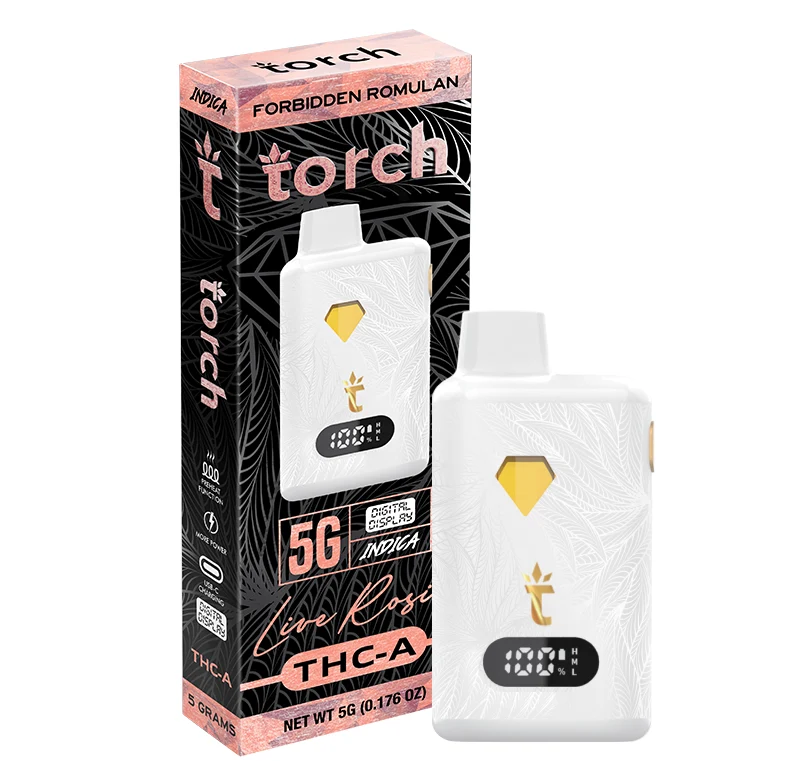

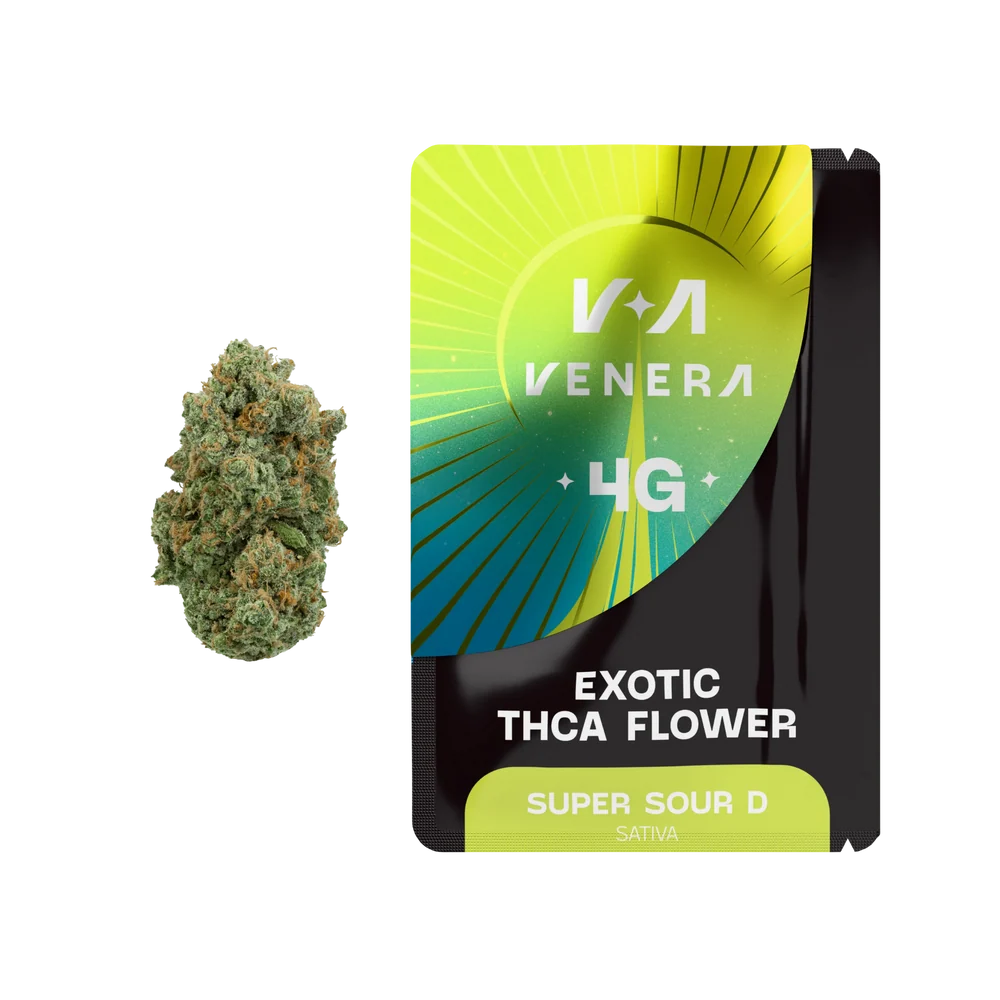
THCA sativa is a type of cannabis product associated with sativa-dominant cannabis plants and the naturally occurring cannabinoid tetrahydrocannabinolic acid, commonly known as THCA. As interest in cannabinoid products continues to grow, understanding their characteristics can help people become more familiar with what they are purchasing and how these products differ.
THCA is found naturally in raw cannabis plants. It has a distinct chemical structure and is commonly discussed separately from THC because the two compounds have different forms. Learning about the plant source, cannabinoid content, appearance, aroma, and product information can provide a clearer understanding of THCA sativa.
What Is THCA Sativa?
THCA sativa refers to products derived from cannabis plants classified or described as sativa and containing THCA as a naturally occurring cannabinoid.
Understanding THCA
THCA stands for tetrahydrocannabinolic acid. It is an acidic cannabinoid that naturally occurs in raw cannabis. THCA is different from delta-9 THC in its chemical structure and is generally present before the application of heat.
When cannabis containing THCA is exposed to heat, a process called decarboxylation can convert some THCA into THC. This chemical change is one reason heating methods are important when discussing cannabis products.
Understanding the Sativa Classification
Sativa is traditionally used to describe a category of cannabis plants. Products described as sativa may have characteristics associated with particular plant genetics, although modern cannabis varieties can contain genetics from multiple classifications.
The term sativa can therefore provide useful information about a product’s plant lineage, but it does not describe every characteristic of the product on its own.
Key Characteristics of THCA Sativa
Several factors can help describe THCA sativa products.
Cannabinoid Profile
The cannabinoid profile indicates which cannabinoids are present and in what amounts. THCA may be the primary cannabinoid of interest, while other naturally occurring cannabinoids can also be present.
Looking at cannabinoid information can help consumers understand the composition of a product rather than relying only on its product name.
Terpene Profile
Terpenes are naturally occurring aromatic compounds found in cannabis and many other plants. They contribute to the aroma and flavour characteristics of different cannabis varieties.
A THCA sativa product may contain a combination of terpenes that contributes to its particular sensory profile. Commonly discussed cannabis terpenes include myrcene, limonene, pinene, and caryophyllene.
Appearance
The physical appearance of THCA sativa flower can vary depending on genetics, cultivation methods, harvesting, and processing.
Flower may display different shades of green, varying levels of visible trichomes, and different bud structures. Trichomes are small structures on the surface of cannabis flowers where cannabinoids and terpenes are concentrated.
THCA Content and Potency
THCA content is an important part of understanding a product’s cannabinoid profile.
Reading Potency Information
Product labels may provide the amount or percentage of THCA present. This information can help consumers compare products and understand their cannabinoid composition.
Potency measurements should always be interpreted according to the information provided on the product label and applicable testing documentation.
Why Laboratory Testing Matters
Laboratory testing can provide information about cannabinoid concentrations and other product characteristics. A certificate of analysis, when available, may provide additional details about the tested sample.
Testing information can make it easier to understand what a product contains and how its reported cannabinoid profile was determined.
Aroma and Flavour Characteristics
The sensory characteristics of THCA sativa can vary considerably between different varieties.
The Role of Terpenes
Terpenes contribute significantly to cannabis aroma and flavour. Depending on the terpene profile, a product may have citrus, herbal, earthy, pine-like, floral, or other aromatic characteristics.
The combination of cannabinoids and terpenes contributes to the overall profile of a particular product.
Why Profiles Can Differ
Two products described as THCA sativa may still have different aromas, flavours, appearances, and cannabinoid profiles. Plant genetics, growing conditions, harvesting methods, drying, curing, and processing can all influence the final characteristics.
How THCA Sativa Is Produced
The characteristics of a THCA sativa product begin with the plant and continue through cultivation and post-harvest handling.
Cultivation
Cannabis plants develop cannabinoids and terpenes as they grow. Genetics play an important role in determining the natural chemical profile of a plant.
Growing conditions, including light, temperature, nutrients, and environmental management, can also influence plant development.
Harvesting and Processing
Harvest timing can influence cannabinoid and terpene characteristics. After harvesting, cannabis flower may undergo drying and curing processes that help prepare it for its intended form.
Careful handling throughout these stages can help preserve the product’s physical and aromatic qualities.
THCA Sativa Compared With Other Cannabis Products
THCA sativa can be distinguished from other cannabis products by considering its cannabinoid profile, plant classification, and product format.
THCA Versus THC
THCA and THC are related cannabinoids but are chemically different. THCA is the acidic form naturally found in raw cannabis, while THC is the neutral form produced through decarboxylation.
This distinction is important when reading product labels and understanding cannabinoid content.
Sativa Versus Other Plant Classifications
Sativa and indica are traditional classifications that are commonly used to describe cannabis products. However, many modern varieties contain mixed genetics.
For this reason, looking at the complete cannabinoid and terpene profile can provide more detailed information than relying on the sativa classification alone.
What to Consider When Choosing THCA Sativa
Understanding several product details can make it easier to compare different options.
Review the Product Label
The label may provide information about THCA content, other cannabinoids, ingredients, serving information, batch details, and recommended use.
Reading the complete label helps provide a clearer picture of the product.
Consider the Product Format
THCA sativa can be available in different forms, including flower and other prepared products. Each format may have different characteristics and usage instructions.
Selecting a format that aligns with personal preferences and the information provided by the manufacturer can help create a more informed product experience.
Check Testing Information
Where testing information is provided, reviewing the reported cannabinoid profile and other available quality information can help consumers better understand the product.
Responsible Use of THCA Sativa
Understanding a product is an important part of responsible use.
Follow Product Directions
Product instructions should be reviewed carefully before use. Following the recommended directions can help users understand the intended way to use the product.
Understand Local Requirements
Cannabis and cannabinoid products can be subject to different laws and regulations depending on location. Checking the applicable local requirements is an important part of making an informed decision.
Store Products Appropriately
Keeping products in suitable conditions can help maintain their physical and sensory characteristics. Product-specific storage instructions should always be followed.
Frequently Asked Questions
Is THCA naturally found in cannabis?
Yes. THCA is a naturally occurring acidic cannabinoid found in raw cannabis plants.
Is THCA the same as THC?
No. THCA and THC are chemically different forms. Heat can cause THCA to undergo decarboxylation, producing THC.
What does sativa mean?
Sativa is a traditional classification used to describe certain cannabis plants and products. Modern cannabis varieties can contain genetics associated with multiple classifications.
What gives THCA sativa its aroma?
Terpenes are among the primary compounds responsible for the aroma of cannabis. Different terpene combinations can create different sensory profiles.
How can consumers understand THCA content?
Consumers can review the product label and, where available, laboratory testing information for reported THCA concentrations.
Final Thoughts
THCA sativa combines the naturally occurring cannabinoid THCA with characteristics associated with sativa cannabis genetics. Its overall profile can be influenced by genetics, cultivation, harvesting, processing, cannabinoids, and terpenes.
Understanding these characteristics can help consumers read product information more effectively and make informed choices. Paying attention to cannabinoid content, terpene profiles, product format, laboratory testing, and applicable instructions provides a useful foundation for understanding THCA sativa products.