
First impressions play an important role in building professional relationships. Whether meeting a potential customer, attending a networking event or introducing a business to a new contact, the way a company presents itself can influence how others perceive its professionalism and credibility.
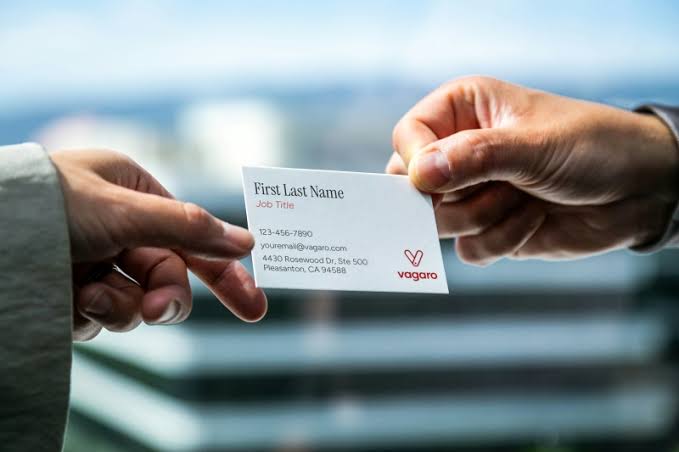
Although digital communication has become a major part of modern business, printed business cards remain a useful networking tool. They provide a simple way to share contact information, introduce a brand and give potential customers something physical to remember after a conversation.
A well-designed business card does more than display a name and phone number. Its layout, colours, typography, material and overall presentation can communicate important details about a business. When designed thoughtfully, it can help create recognition and encourage future communication.
Why Business Cards Still Matter in Professional Networking
Business cards offer a convenient way to exchange contact information without relying on mobile devices or internet access. They are particularly useful during face-to-face meetings, conferences, exhibitions and business networking events.
Some important advantages include:
- Providing essential contact information in one place.
- Helping potential customers remember a business.
- Creating a professional introduction.
- Supporting brand recognition.
- Making networking conversations more convenient.
- Giving people a physical reminder of a business.
Unlike a digital contact shared through a message, a printed card can be kept in a wallet, displayed on a desk or stored for future reference.
The Importance of Professional Business Card Design
1. The Importance of Professional Business Card Design
Design is one of the first things people notice when receiving a business card. A clear and organised layout can make the information easier to understand while creating a positive impression of the business.
Professional design should balance visual appeal with readability. Too many colours, decorative elements or unnecessary details can make a card difficult to understand.
Important design elements include:
- Logo placement: The business logo should be clearly visible and appropriately positioned.
- Typography: Fonts should be readable and consistent with the brand’s identity.
- Colour selection: Colours should complement the business branding.
- Information hierarchy: Names, job titles and contact details should be arranged logically.
- White space: Sufficient spacing can make the card look cleaner and easier to read.
Businesses should focus on creating a design that reflects their professional identity rather than adding unnecessary decorative elements.
How Custom Business Card Printing Supports Brand Identity
A business card is a small but important part of a company’s overall branding. Its design should reflect the same visual identity used across websites, brochures, signage and other marketing materials.
With custom business card printing, businesses can select layouts, colours, materials and finishes that suit their brand personality.
For example, a corporate consultancy may prefer a simple design with clean typography and minimal colours. A creative agency may choose a more distinctive layout that reflects its visual style.
Customisation options can include:
- Different card sizes and layouts.
- Single-sided or double-sided printing.
- Matte or glossy finishes.
- Premium paper stocks.
- Embossed or raised design elements.
- Custom brand colours and logo placement.
The right combination of these elements can make a business card more recognisable while maintaining a professional appearance.
Business Cards Help Build Trust and Credibility
Professional presentation can influence how potential customers view a business. A carefully designed business card demonstrates attention to detail and provides a convenient way to verify contact information.
When a card includes consistent branding, accurate details and a professional layout, it can reinforce the impression that the business takes its presentation seriously.
For service-based businesses, this can be particularly useful when meeting potential clients who may need to contact the company later.
However, a business card should support a professional introduction rather than replace the quality of the products, services and customer experience offered by the business.
Making Contact Information Easy to Find
The primary purpose of a business card is to make it easy for people to contact a business or individual.
Essential information may include:
- Business or individual name.
- Job title or professional role.
- Business name.
- Phone number.
- Email address.
- Website address.
- Business location, where relevant.
- Social media details, where useful.
Businesses should avoid overcrowding the card with too much information. Including only the most relevant contact details can make it easier for recipients to find what they need.
A QR code can also be included to direct people to a website, digital portfolio or online contact page. It should be tested before printing to ensure that it works correctly.
Choosing the Right Business Card Material
The material used for a business card can influence its appearance, durability and overall feel.
Different paper stocks and finishes can create different impressions.
Some common options include:
- Standard cardstock: A practical option for everyday business networking.
- Premium cardstock: Offers a thicker and more substantial feel.
- Matte finish: Creates a simple, understated appearance.
- Gloss finish: Provides a smooth surface with a more reflective look.
- Textured stock: Adds a distinctive tactile element.
- Recycled paper: Can support a brand identity focused on responsible material choices.
Businesses should consider their budget, brand image and expected usage when selecting materials.
How Colour and Typography Influence First Impressions
Colour and typography can influence how people perceive a brand. A consistent colour scheme helps connect business cards with other marketing materials, while suitable fonts make information easier to read.
For example, a professional services company may choose neutral colours and straightforward typography to communicate clarity and reliability.
A creative business may use stronger colours or more distinctive typography to express its personality.
Regardless of the style, readability should remain a priority. Small text, low colour contrast and overly decorative fonts can make important contact information difficult to understand.
Business Cards for Different Industries
Different industries may have different business card requirements.
For example:
| Industry | Suitable business card approach |
|---|---|
| Real estate | Include agent details, company branding and contact information. |
| Construction | Use a practical layout with business details and service information. |
| Professional services | Choose a clean design with clear typography. |
| Creative agencies | Consider distinctive colours and visual elements. |
| Retail | Include store details, website and relevant contact information. |
| Hospitality | Use branding that reflects the business atmosphere and identity. |
The design should reflect the business’s audience and the type of professional relationships it wants to build.
Common Business Card Mistakes to Avoid
Even a visually attractive business card can create a poor impression if it contains errors or unnecessary information.
Some common mistakes include:
- Using outdated contact details.
- Choosing fonts that are too small.
- Including too many design elements.
- Using inconsistent brand colours.
- Selecting poor-quality images or logos.
- Ignoring spelling and alignment errors.
- Printing without checking a final proof.
Before approving a print order, businesses should carefully review the design, contact information, dimensions and print specifications.
Making Business Cards Part of a Wider Marketing Strategy
Business cards can complement other marketing activities by connecting offline networking with online communication.
For example, a business can include its website address or QR code so that recipients can learn more about its services after a meeting.
They can also be included in product packaging, presentation folders, event materials and customer welcome packs.
Using consistent branding across printed and digital channels can help customers recognise a business more easily.
Creating a Professional Impression That Lasts
Business cards remain a practical way to introduce a business, share contact information and support professional networking. Their value comes from combining useful information with thoughtful presentation.
A clear layout, consistent branding, suitable materials and accurate contact details can help create a positive first impression. Businesses should focus on designing cards that reflect their identity while making it easy for recipients to remember and contact them.
Whether attending an industry event, meeting a potential client or introducing a new service, a well-prepared business card can support professional communication and help build lasting business relationships.