

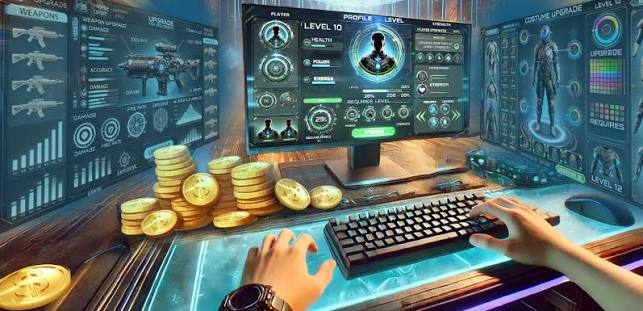
The growth of online slot gaming has introduced much more than exciting gameplay and multiplayer experiences. One of the most fascinating developments in modern video games is the creation of virtual economies—digital marketplaces where players earn, spend, trade, and manage in-game resources. Just like real-world economies, virtual economies rely on supply and demand, resource management, player interaction, and carefully balanced systems to ensure long-term stability. From role-playing adventures to multiplayer strategy games and simulation titles, virtual economies have become an essential part of keeping players engaged while creating dynamic and immersive gaming experiences.
Today, millions of players participate in virtual economies every day by collecting in-game currencies, purchasing cosmetic items, upgrading equipment, trading resources, and participating in seasonal events. As gaming technology continues to evolve, virtual economies are becoming increasingly sophisticated, offering realistic financial systems that enhance gameplay while encouraging strategic decision-making.
What Is a Virtual Economy?
A virtual economy is a digital system within a game where players exchange virtual goods, services, and currencies. Unlike traditional gameplay that focuses only on completing missions, virtual economies create ongoing activities where players manage resources, make purchasing decisions, and interact with other players through trading systems.
These economies often include multiple types of currency, collectible items, crafting materials, equipment upgrades, and marketplaces. Developers carefully design these systems to maintain balance, encourage progression, and provide meaningful rewards for player participation.
Well-designed virtual economies make game worlds feel more realistic and alive.
The Role of In-Game Currency
Most online games include one or more forms of virtual currency that players use throughout their adventures.
Common examples include:
- Gold coins
- Credits
- Gems
- Tokens
- Energy points
- Crafting materials
- Reward vouchers
- Seasonal currencies
Players usually earn these currencies by completing missions, participating in events, defeating opponents, or achieving milestones. They can then spend their earnings on equipment, cosmetic customisation, character upgrades, or other useful in-game items.
A balanced currency system gives players clear goals while supporting long-term progression.
Supply and Demand in Virtual Markets
Virtual economies often follow the same economic principles found in the real world.
When rare items become difficult to obtain, demand may increase among players. If an item becomes widely available, its value may decrease. Developers carefully monitor these patterns to ensure that the game remains fair and enjoyable.
Supply and demand influence many aspects of gameplay, including player trading, item availability, crafting resources, and marketplace prices. These economic dynamics create exciting opportunities for players who enjoy collecting, trading, and managing valuable digital assets.
By maintaining a healthy balance between supply and demand, developers keep virtual economies active and engaging.
Player-to-Player Trading
Many online games allow players to exchange items directly with one another.
Trading systems often include:
- Equipment exchanges
- Resource trading
- Cosmetic item markets
- Crafting material sales
- Auction houses
- Community marketplaces
- Gift systems
- Player shops
These features encourage cooperation and interaction while allowing players to specialise in different activities. Some focus on collecting rare resources, while others prefer crafting or trading valuable items.
Player-driven markets help create dynamic economies that evolve naturally over time.
Reward Systems Keep Economies Active
Rewards are one of the primary drivers of virtual economies.
Developers encourage participation by offering players valuable rewards through gameplay rather than simply through purchases. Daily challenges, achievements, seasonal events, cooperative missions, and exploration all contribute to the circulation of virtual resources.
A healthy reward system motivates players to continue progressing while ensuring that new and experienced players have meaningful opportunities to earn useful items.
Balanced rewards help maintain long-term engagement without disrupting economic stability.
Crafting and Resource Management
Crafting systems add another important layer to virtual economies.
Players often gather raw materials that can be combined to create new equipment, decorative items, or consumable resources. Crafting encourages exploration and strategic planning while increasing the value of collected materials.
Common crafting resources include:
- Wood
- Stone
- Metal
- Fabric
- Magical crystals
- Energy cores
- Rare minerals
- Upgrade components
These systems give players multiple ways to participate in the economy while supporting diverse playstyles.
Cosmetic Items and Personalisation
Modern virtual economies increasingly focus on cosmetic items that allow players to personalise their gaming experience.
Popular cosmetic rewards include:
- Character outfits
- Weapon appearances
- Vehicle designs
- Companion skins
- Emotes
- Decorative accessories
- Profile customisation
- Celebration animations
Because these items primarily change appearance rather than gameplay performance, they provide opportunities for creativity and self-expression while supporting balanced game design.
Many players enjoy collecting limited-time cosmetic items as symbols of their achievements or participation in special events.
Maintaining Economic Balance
Creating a successful virtual economy requires careful planning and continuous monitoring.
Developers regularly analyse:
- Currency circulation
- Item availability
- Marketplace activity
- Player progression
- Reward distribution
- Resource generation
- Trading behaviour
- Overall economic stability
When necessary, updates are introduced to adjust rewards, introduce new content, or improve balance. This ongoing management helps prevent inflation, resource shortages, or excessive item accumulation.
A stable economy ensures that gameplay remains enjoyable for both new and experienced players.
Technology Supports Modern Virtual Economies
Advances in technology have made virtual economies more sophisticated than ever before.
Cloud computing allows developers to manage global marketplaces in real time, while advanced analytics provide insights into player behaviour and economic trends. Artificial intelligence can assist by identifying unusual trading patterns, improving matchmaking, and helping developers balance in-game resources more effectively.
Cross-platform support also enables players to access their inventories and progress across multiple devices, creating a seamless experience regardless of where they play.
These technological innovations make modern virtual economies more reliable, scalable, and engaging.
Challenges of Managing Virtual Economies
Although virtual economies offer many benefits, they also present several challenges.
Developers must carefully address issues such as:
- Economic inflation
- Resource shortages
- Item duplication bugs
- Marketplace fairness
- Fraud prevention
- Account security
- Fair progression systems
- Long-term economic balance
Regular updates, community feedback, and continuous monitoring help maintain healthy and sustainable in-game economies.
The Future of Virtual Economies
The future of virtual economies is expected to become even more interactive and intelligent.
Artificial intelligence may create adaptive marketplaces that respond to player activity while maintaining economic balance automatically. Improved cloud infrastructure will support larger online communities, faster trading systems, and more complex player-driven markets.
Developers are also exploring new ways to create dynamic seasonal economies, personalised rewards, and interactive events that encourage cooperation among global gaming communities.
As technology continues advancing, virtual economies will become increasingly realistic while remaining focused on creating enjoyable and engaging gameplay experiences.
Benefits of Virtual Economies
Virtual economies provide numerous advantages for both players and developers, including:
- Encouraging strategic decision-making.
- Supporting long-term player progression.
- Creating meaningful reward systems.
- Promoting player interaction and trading.
- Increasing gameplay variety.
- Strengthening online communities.
- Supporting regular content updates.
- Enhancing overall immersion.
These benefits demonstrate why virtual economies have become one of the most important features of modern online games.
Conclusion
Virtual economies have transformed online games into living digital worlds where players can earn, trade, craft, and manage valuable resources while interacting with thriving communities. By combining in-game currencies, marketplaces, reward systems, crafting mechanics, and player-driven trading, developers create engaging environments that extend far beyond traditional gameplay. These systems encourage strategic thinking, cooperation, and long-term participation while making game worlds feel dynamic and realistic.
As cloud computing, artificial intelligence, and online infrastructure continue to evolve, virtual economies will become even more advanced and immersive. Future games are likely to feature smarter marketplaces, more personalised economic systems, and increasingly interactive player communities. By carefully balancing innovation with fairness, virtual economies will continue to play a vital role in shaping the future of online gaming and delivering engaging experiences for players around the world.