

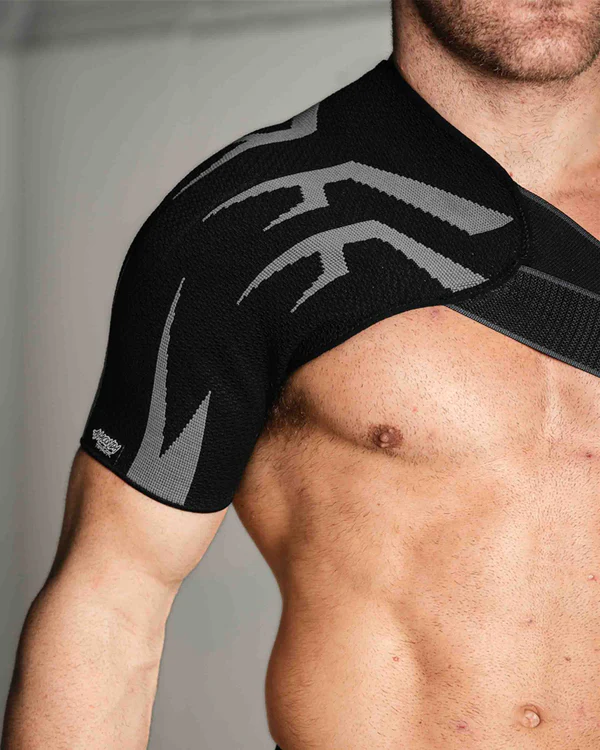
A shoulder injury changes how you live your day. Simple tasks like reaching for a cup or getting dressed become hard. Many people turn to a shoulder brace to help manage these issues. Wearing a shoulder support device can provide stability and relief. However, using one every day requires a proper plan. You cannot just strap it on and forget about it.
The goal of a shoulder support belt is to limit harmful movement while allowing healing. If used incorrectly, it might cause more discomfort. You must balance support with comfort to see effective results.
1. Choosing the Right Fit
The first step is picking the correct shoulder support belt. Not all braces are built the same way. Some are basically meant for total immobilization. Others allow for light movement during sports or work.
- Check the size charts: Measure your chest and arm circumference accurately.
- Material matters: Look for breathable fabrics like neoprene or soft mesh.
- Adjustability: Ensure the straps are long enough to tighten without pinching.
- Doctor’s advice: Always ask a professional which type fits your specific injury.
2. How to Put It On Correctly
Putting on a shoulder brace alone can be a challenge. You might need help for the first few days. Doing it wrong can strain the very muscles you are trying to protect.
Step-by-Step Application
- Slide your arm into the sleeve section first.
- Pull the main body of the brace over your shoulder.
- Secure the chest strap across your torso.
- Adjust the smaller tension straps to find the right level of compression.
- Check your range of motion to ensure you are not fully blocked.
Make sure the padding sits directly over the joint. If the brace shifts during the day, stop and reset it immediately. Moving with a crooked brace can lead to poor posture.
3. Protecting Your Skin
Wearing a shoulder support device for several hours can lead to skin issues. Friction and sweat are common problems. You must take steps to keep your skin healthy under the fabric.
- Wear an undershirt: Always put a thin cotton t-shirt under the brace.
- Keep it dry: If you sweat, remove the brace and dry your skin.
- Check for redness: Look for marks or rashes every time you take it off.
- Use powder: A little cornstarch can help reduce friction in high-rub areas.
If you notice blisters or severe itching, stop using the brace. Consult a professional to see if you are allergic to the material. Keeping the skin clean prevents infections and discomfort.
4. Maintaining Good Posture
A shoulder support belt is not a substitute for good posture. It is a tool to help you maintain it. Many people tend to lean away from the injured side. This creates an imbalance in the spine.
- Keep your head aligned over your shoulders.
- Avoid slouching forward while sitting at a desk.
- Engage your core muscles to support your upper body weight.
- Check your reflection in a mirror to ensure your shoulders are level.
The brace serves as a physical reminder to sit up straight. Over time, your brain will learn this position. This reduces the long-term strain on your neck and back muscles.
5. Establishing a Daily Schedule
You should not wear a shoulder brace 24 hours a day unless told otherwise. Your muscles need time to work on their own. Total reliance on a brace can lead to muscle wasting or frozen shoulder.
A Sample Routine
- Morning: Put the brace on after your morning stretches.
- Mid-day: Take a 15-minute break every four hours to let the skin breathe.
- Evening: Remove the brace while relaxing at home if movement is minimal.
- Night: Only wear the brace to sleep if your doctor specifically recommended it.
6. Cleaning and Maintenance
A shoulder support device sits close to your body. It picks up sweat, skin cells, and odors. A dirty brace can cause skin infections or smell unpleasant. Proper care makes the brace last much longer.
- Hand wash only: Use cold water and a very mild soap.
- Avoid bleach: Harsh chemicals generally damage the elastic fibers.
- Air dry: Never put a brace in a dryer. High heat ruins the Velcro and fabric.
- Check the Velcro: Remove lint or hair from the fasteners so they stay sticky.
Clean your brace at least twice a week. If you use it during exercise, wash it after every use. Having a second brace as a backup is a good idea for when one is drying.
Gradual Weaning Process
As your shoulder heals, you will need the shoulder support belt less. You should not stop using it all at once. A slower transition helps your muscles adapt to the load again.
- Begin by removing the brace for one hour during the day.
- Slowly increase the off time every few days.
- Wear the brace only during high-risk activities like lifting or driving.
- Eventually, use it only when you feel significant fatigue or soreness.
Avoiding Common Mistakes
Many users make simple errors that slow down their recovery. Being aware of these can save you time and discomfort.
- Over-tightening: Thinking that tighter is better is a mistake. It stops blood flow necessary for healing.
- Sleeping in the wrong position: Even with a brace, do not lay on the injured side.
- Skipping exercises: The brace is not a cure. You still need to do your rehab moves.
- Ignoring the instructions: Read the manual that comes with your specific shoulder brace.
Wrapping Up
A shoulder brace is a valuable aid for managing pain and instability. Using a shoulder support belt daily requires attention to detail. You should simply focus on the fit, skin care, and a proper schedule. Remember that the shoulder support is there to assist your body, not replace its natural function.
Consistency in wearing and cleaning the brace will eventually lead to a better experience. Always combine the use of a brace with professional medical advice and gentle exercise. By following these best practices, you protect your joint while it heals. Also, this way you can quickly go back to your normal daily activities.