

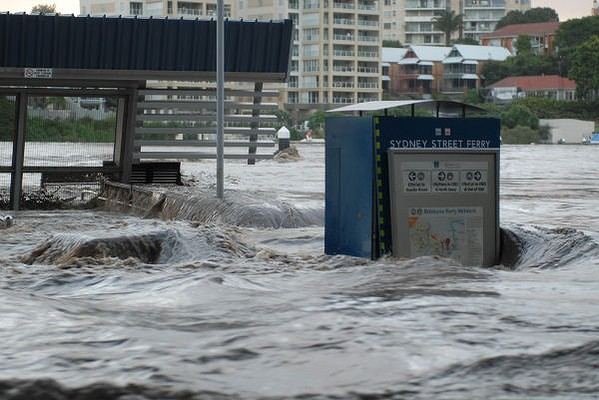
Extreme weather has moved from the news bulletin into the household calendar. Families who once thought of floods, heatwaves and violent storms as things that happened on television now keep torches charged, documents backed up and a plan for the dog. Emergency planners say this ordinary, unglamorous preparation is the single biggest saver of life and property when severe weather arrives — a message our safety coverage returns to each season.
The basic kit is well established: water, shelf-stable food, medicines, batteries, a wind-up radio, phone charging banks and copies of essential documents in a waterproof folder. What has changed is the mindset. Preparedness advocates urge households to plan for the specific risks of their own street — the underpass that floods, the top-floor flat that overheats, the power cut that stops a medical device — rather than buying a generic survival box and forgetting it.
Neighbours are infrastructure
The strongest predictor of who copes in a disaster is not equipment but connection. Streets with active neighbour networks check on elderly residents during heatwaves, share sandbags and pumps during floods, and pool generators and freezers when power fails. Councils increasingly formalise this with volunteer flood wardens and community emergency hubs stocked and drilled before they are needed.
Official guidance, such as the preparedness resources published by the Ready.gov programme and national weather services, converges on the same advice: know your alerts, rehearse your plan once a year, and keep supplies rotated so nothing in the kit is expired when the sky darkens.
Heat is the quiet emergency
Planners stress that the deadliest weather in many countries is not the spectacular storm but the silent heatwave. Checking on older neighbours, knowing the coolest room in the house, and recognising heat exhaustion early save more lives than any technology. Schools and employers are adapting too, with heat plans once reserved for hotter climates now standard in temperate cities.
Insurance and information, checked in calm weather
Two preparations pay for themselves before any cloud forms. The first is paperwork: photographs of every room and possession, stored in the cloud, plus policy documents checked for the exclusions nobody reads — flood cover’s fine print has ruined more recoveries than water has. The second is information discipline during events: alerts from the national weather service and local authority channels, not forwarded messages; a battery radio for the hours when networks fail; and a family rule, agreed in calm weather, about who checks on whom and where everyone reunites if separated. Emergency managers call this the boring layer, and insist it decides outcomes more reliably than any equipment. Disasters are chaotic by definition. The household’s task is to import as much pre-decided order as possible — then improvise only what remains.
None of this requires fear, only habit. The households that fare best treat preparation the way they treat insurance — a modest, regular cost of living in a world whose weather has become less predictable, paid gladly in exchange for an ordinary night’s sleep.