

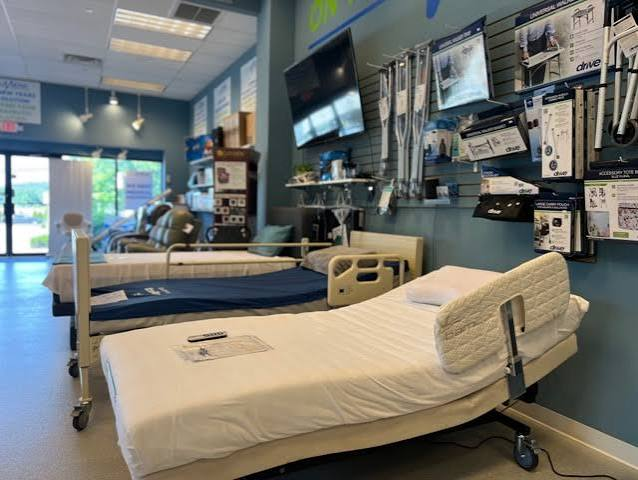
A hospital bed is much more than a place for patients to rest. It plays an important role in patient comfort, caregiver safety, and the daily efficiency of healthcare facilities. Whether a hospital is expanding its capacity, a nursing home is upgrading its equipment, or a caregiver is preparing a home recovery space, choosing the right bed requires careful consideration. This Hospital Beds For Sale overview explores the different types of hospital beds available, their key features, and what buyers should consider before making a purchase.
Understanding Different Types of Hospital Beds
Hospital beds are designed to support patients with different mobility levels, medical needs, and recovery requirements. Understanding the available options can help buyers identify equipment that suits their specific environment.
Manual hospital beds: These beds use hand-operated cranks to adjust the head section, foot section, or overall bed height, depending on the model. They can be a practical option for facilities seeking straightforward equipment without relying on electrical power for positioning adjustments.
Semi-electric hospital beds: These beds typically use electric controls for some positioning functions while retaining manual adjustment for others. They offer a balance between convenience and cost, depending on the configuration.
Fully electric hospital beds: Electric motors allow users or caregivers to adjust bed positions using controls. These beds can reduce the physical effort required for routine positioning and may be suitable for environments where frequent adjustments are necessary.
Bariatric hospital beds: Designed for patients who require higher weight capacities and wider sleeping surfaces, bariatric beds may feature reinforced frames and specialized support systems. Buyers should verify the manufacturer’s stated weight capacity and suitability for the intended patient.
Specialty hospital beds: Certain beds are designed for particular clinical applications, such as intensive care, rehabilitation, or pressure injury management. Their features vary depending on the intended use and clinical requirements.
Important Features to Consider
When comparing hospital beds for sale, buyers should look beyond the initial purchase price. The bed’s features can influence usability, maintenance requirements, and long-term value.
Adjustability and Positioning
Adjustable head and foot sections can help patients find comfortable positions for sleeping, eating, and participating in certain care activities. Height adjustment can also make patient transfers and caregiving tasks easier when used appropriately.
The right adjustment options depend on the patient’s mobility, the care environment, and the frequency of repositioning.
Safety Features
Safety is a central consideration when selecting a hospital bed. Depending on the model, features may include locking casters, compatible side rails, emergency lowering mechanisms, and controls designed to prevent unintended movement.
Side rails should be selected and used carefully because they can introduce entrapment or fall-related risks in some situations. Healthcare professionals should assess the patient’s individual needs and follow applicable safety guidance.
Weight Capacity and Durability
A hospital bed must support the intended patient safely. Buyers should confirm the manufacturer’s specified weight limit and account for any additional loads identified in the product documentation.
A durable frame, reliable adjustment mechanisms, and replaceable components can also contribute to the bed’s useful life, particularly in healthcare facilities where equipment experiences frequent use.
Mattress Compatibility
The mattress is an important part of the overall bed setup. Buyers should confirm that the mattress dimensions and type are compatible with the bed frame and its adjustment functions.
Depending on the patient’s needs, an appropriate mattress may provide additional support, comfort, or pressure redistribution. Clinical suitability should be determined with guidance from qualified healthcare professionals.
Hospital Beds for Healthcare Facilities and Home Care
The ideal hospital bed depends on where and how it will be used.
Hospitals and rehabilitation centers may prioritize durability, adjustable positioning, easy cleaning, and compatibility with other patient-care equipment. Facilities that serve many patients may also consider how easily beds can be maintained and moved between rooms.
For home care, buyers may place greater emphasis on room dimensions, ease of operation, caregiver access, and the patient’s ability to use the controls. Before purchasing, it is worth measuring doorways, hallways, and the intended placement area to ensure the bed can be delivered and installed successfully.
Caregivers should also consider whether additional equipment, such as a compatible mattress, bedside table, transfer aid, or patient lift, may be needed.
New Versus Refurbished Hospital Beds
Another important decision is whether to purchase new or refurbished equipment.
New hospital beds may offer current features, manufacturer warranties, and access to original replacement parts. Refurbished beds may provide a more economical alternative when they have been properly inspected and restored.
When evaluating refurbished equipment, ask about its service history, inspection process, replacement components, electrical safety checks where applicable, and warranty coverage. Buyers should also verify that the bed meets the requirements of the intended care environment.
The lowest upfront price does not always represent the best value. Maintenance expenses, expected service life, delivery costs, and availability of technical support should all be considered.
How to Choose a Reliable Hospital Bed Supplier
Selecting a dependable supplier can make the purchasing process easier and help reduce problems after delivery. Buyers should review product specifications, warranty terms, return policies, shipping arrangements, and the availability of replacement parts.
It is also useful to confirm whether assembly, installation, or maintenance services are available. For healthcare organizations purchasing several beds, consistent product specifications and dependable after-sales support may be particularly important.
Before placing an order, compare the manufacturer’s stated features with the actual requirements of the patient or facility. When clinical needs are involved, consult qualified healthcare professionals to ensure the equipment is appropriate.
Conclusion
Finding the right hospital bed involves balancing patient comfort, safety, functionality, durability, and budget. From manual and electric models to bariatric and specialty beds, different options serve different needs across hospitals, rehabilitation facilities, and home-care environments.
By reviewing adjustment features, weight capacity, mattress compatibility, safety considerations, and supplier support, buyers can make more informed purchasing decisions. A carefully selected hospital bed can support daily caregiving tasks and provide a more suitable environment for patient rest and recovery.