

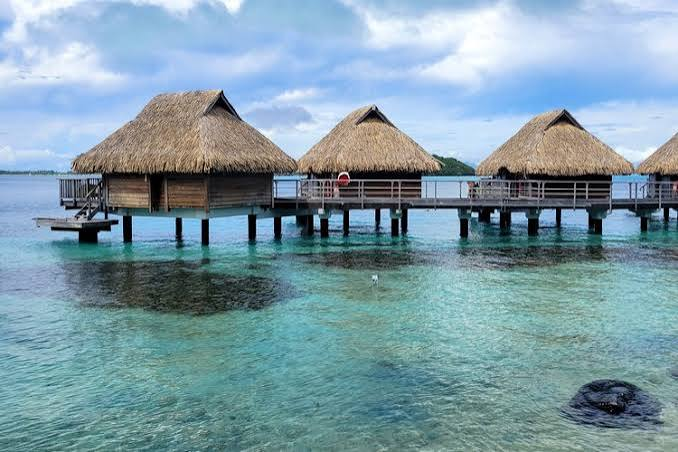
Bora Bora sits in a category of its own when it comes to travel expectations. The images are familiar — overwater bungalows, turquoise lagoons, coral reefs visible through glass-bottomed floors. What is less familiar, and rarely discussed with the same clarity, is what happens when you arrive with an all-inclusive booking and discover that the actual experience does not match what you assumed was covered. This gap between expectation and reality is not a matter of bad faith from resorts. It is largely a matter of how all-inclusive packages in this region are structured, marketed, and understood by travelers who have not visited before.
French Polynesia, where Bora Bora is located, operates under a distinct hospitality model that differs significantly from Caribbean or Mexican all-inclusive resorts. The logistics of the destination — remote location, imported goods, limited local supply chains — shape how packages are priced and what they realistically include. Understanding those structural differences before you book is what separates a well-managed trip from one that generates constant out-of-pocket surprises.
What All-Inclusive Actually Means in Bora Bora’s Resort Model
The term all-inclusive carries a specific meaning in markets like Cancún or Nassau, where a single nightly rate typically covers meals, drinks, activities, and airport transfers as a bundled unit. In Bora Bora, the definition is more elastic. Most resorts that advertise all inclusive bora bora trips are offering what industry professionals would describe as a modified or tiered all-inclusive structure, where the base package covers accommodation and select meals, but a meaningful portion of services remain à la carte. A thorough All Inclusive Bora Bora Trips overview helps clarify which components are truly bundled and which are subject to additional charges depending on the resort and package tier selected.
This distinction matters because Bora Bora resorts are not competing on volume or budget. They are operating in a premium market where operational costs are genuinely high, and where the economics of all-inclusive pricing require trade-offs that resorts manage differently. Some properties offer genuinely comprehensive packages. Others use the term loosely, with the actual inclusions representing a narrower set of services than the language implies.
The Role of Meal Plans in Package Pricing
Most all-inclusive packages in Bora Bora anchor their value around meal plans, but those plans vary considerably in what they cover. A half-board arrangement — breakfast and dinner — is common at the mid-tier level and is sometimes labeled as all-inclusive when combined with other elements. Full-board plans that include lunch exist but are less universal. What travelers frequently discover is that specialty restaurant access, including some on-property dining venues, requires separate reservations and carries additional fees not absorbed by the base package. In practice, this means that even with a meal plan in place, dining variety comes at a cost unless the package explicitly names the included venues.
Beverage Coverage and Its Limits
Alcohol and specialty beverages represent one of the clearest areas where all-inclusive packages in this region draw a line. Standard packages often cover house-poured wine, local beer, and non-alcoholic beverages during meals. Premium spirits, champagne, and cocktails from the full bar menu frequently fall outside that coverage. Given the import costs involved in getting premium products to French Polynesia, this is not surprising, but it is a regular source of confusion for guests who arrive expecting unlimited beverage service comparable to what they experienced at resorts elsewhere.
Transportation Costs That Packages Frequently Exclude
Bora Bora’s geography creates transportation requirements that most continental destinations do not have. Getting from Tahiti’s main international airport to Bora Bora itself requires a domestic flight, and getting from Bora Bora’s airport to most resorts requires a boat transfer, since many properties are situated on the motu — the small islets surrounding the main island across the lagoon. These transfer costs are material and are not consistently included in all-inclusive pricing.
Inter-Island Flights and Their Cost Position
The domestic flight from Papeete to Bora Bora is operated by Air Tahiti and is not bundled into most all-inclusive packages unless the booking is made through a specialist tour operator who has specifically negotiated that inclusion. Travelers who book resort packages directly often find that the domestic flight is listed as a separate line item, which can represent a meaningful addition to total trip cost per person. When evaluating the total value of an all inclusive bora bora trip, this flight cost needs to be factored in as a near-certain expense rather than an optional one.
Lagoon Transfers and On-Property Boat Use
Resort boat transfers from the airport to the property are sometimes included, sometimes not, and sometimes covered for arrival but charged for departure. Additionally, some resorts offer complimentary lagoon excursion access to guests as part of their package, while others operate boat tours as a separate revenue stream with per-person pricing. Guests who do not clarify this in advance often encounter unexpected charges for activities they assumed were part of their overwater experience.
Activities: What Is Standard and What Is Charged Separately
Non-motorized water sports — kayaks, paddleboards, snorkel gear — tend to be the most reliably included activity category across properties offering all inclusive bora bora trips. These are low-overhead amenities that most full-service resorts provide without charge. The moment motorized equipment or guided instruction enters the picture, the cost structure changes. Jet skiing, parasailing, boat snorkeling tours, and guided scuba dives are almost universally priced separately, even at resorts that advertise comprehensive activity programs.
Scuba Diving and Water Sports Add-Ons
Bora Bora’s reef system is one of the primary draws for visitors, and the lagoon offers access to manta rays, sharks, and coral formations that are genuinely distinctive. However, guided dive operations at resort dive centers operate as concessions with their own pricing, regardless of what the main package covers. According to NOAA’s coral reef education resources, reef ecosystems require careful management, and guided access ensures both diver safety and reef protection — but that guided access comes with a cost that sits outside the all-inclusive umbrella in most cases.
Spa and Wellness Services
Overwater spa facilities are a signature feature of high-end Bora Bora resorts, and they are rarely included in standard all-inclusive packages. Spa access, treatments, and wellness programming are priced à la carte across virtually every property in the market. Some packages at the highest tier include a single complimentary treatment per stay, but this is the exception rather than the norm. Couples planning a significant portion of their itinerary around spa time should budget for this separately and consider whether resort-specific spa credits or add-on packages represent better value than paying per service.
Hidden Fees That Appear at Checkout
Beyond the structural gaps in coverage, there are several fee categories that surface at checkout and catch travelers off guard regardless of what their package included. Resort fees — sometimes called destination fees or facility charges — are levied daily at some properties and cover amenities like Wi-Fi, fitness center access, and certain activity equipment. These fees are distinct from room rates and are not absorbed by all-inclusive pricing. Tax and service charges in French Polynesia are applied at the property level and can represent a meaningful percentage of the final bill.
Currency and Payment Considerations
Bora Bora resorts operate in French Pacific Francs (XPF), which is pegged to the euro. Travelers paying in other currencies may encounter unfavorable exchange rate application at the property, particularly if charges are settled at the front desk rather than through a pre-arranged payment method. Using a credit card with no foreign transaction fees and settling in the local currency where possible reduces unnecessary conversion losses on the portion of costs that falls outside the all-inclusive package.
How to Evaluate a Package Before Booking
The clearest measure of any all inclusive bora bora trip is what the inclusions list specifically names, not what the marketing language implies. A reliable package description will itemize meals by service (breakfast, lunch, dinner), specify which venues are included, state whether house beverages or premium beverages are covered, clarify transfer inclusion for both arrival and departure, and distinguish between complimentary and fee-based activities. Anything described in general terms — “resort activities,” “dining experiences,” “beverages” — requires direct clarification before commitment.
Specialist operators who focus on French Polynesia often provide more accurate inclusions disclosure than general travel booking platforms, because their client base asks detailed questions and their reputation depends on delivery matching expectation. Comparing packages at this level of specificity, rather than comparing headline rates, gives a more accurate picture of total trip cost and value.
Closing Thoughts
All-inclusive packaging in Bora Bora is not deceptive by nature, but it is structured differently from what most travelers assume based on experience with other markets. The destination’s remote location, import-dependent supply chain, and premium market position create genuine cost pressures that shape what resorts can feasibly include at various price points. The travelers who experience the fewest surprises are those who read inclusions lists carefully, ask direct questions before booking, and budget realistically for the components that fall outside their package.
Bora Bora remains one of the most visually and experientially distinctive destinations in the world. The goal of understanding package inclusions honestly is not to temper enthusiasm for the trip, but to ensure that what you have planned and what you actually experience align closely enough that the journey delivers what you intended. That alignment starts with knowing exactly what you are buying before you arrive.