
Nurses represent one of the most financially stable professional groups in the country, yet many face significant friction when trying to purchase a home. The reasons are structural rather than personal. Shift-based income, irregular hours, overtime pay, and employment through staffing agencies can all make standard mortgage applications more complicated than they need to be. Lenders who rely on simplified income verification models may flag a traveling nurse’s employment history or misread a contract nurse’s compensation structure, even when that nurse earns a reliable and competitive income.
The result is that many nurses either delay purchasing a home, settle for less favorable loan terms than they qualify for, or simply don’t know that programs exist specifically designed for their professional situation. This article outlines seven loan programs and categories that are either tailored to nurses or particularly well-suited to the way nurses earn and work. Understanding these options doesn’t require a financial background — it requires knowing what to look for and which questions to ask.
Why Standard Mortgage Pathways Often Don’t Fit Nursing Careers
Most conventional mortgage underwriting was designed with a salaried, nine-to-five employee in mind. A nurse working rotating shifts, picking up agency contracts, or earning a significant portion of income through overtime falls outside that default model. Lenders may require additional documentation, apply more conservative income calculations, or decline to count certain income streams at all. This doesn’t mean a nurse is financially unqualified — it means the standard framework doesn’t account for how healthcare employment actually works.
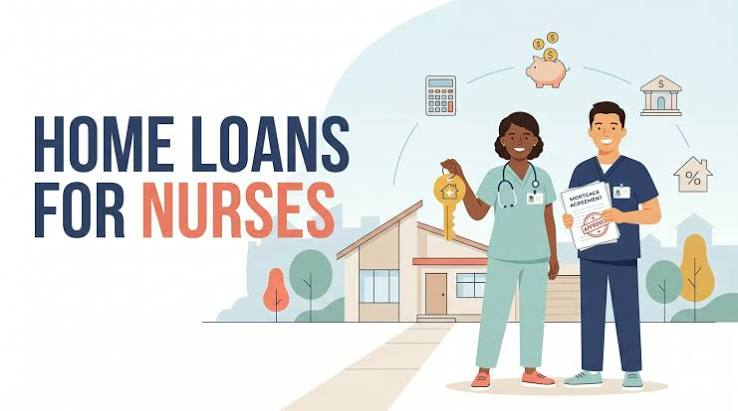
For nurses researching their options, a structured Home Loans For Nurses overview can clarify which programs recognize healthcare-specific income patterns and which lenders are experienced with nursing employment structures. That distinction — between lenders who can work with healthcare professionals and those who can’t — often determines whether an application succeeds or stalls.
The programs below are not obscure. They are available through federal agencies, state governments, and specialized lenders. What separates nurses who access them from those who don’t is usually awareness, not eligibility.
FHA Loans and Why They Work Well for Nurses with Variable Income
Federal Housing Administration loans have been a foundational mortgage option for working professionals since their creation during the 1930s. They are insured by the federal government, which allows lenders to approve borrowers with lower down payments and less stringent credit score requirements than conventional loans typically demand.
How FHA Underwriting Handles Nursing Income
FHA guidelines allow lenders to count overtime and shift differential pay as part of qualifying income, provided there is a documented two-year history of receiving that income. For staff nurses who have been consistently working extra shifts or receiving specialty pay, this can meaningfully increase the loan amount they qualify for. The flexibility in income documentation is one of the primary reasons FHA loans remain relevant for nurses entering homeownership for the first time.
FHA loans do require mortgage insurance premiums for the life of the loan in most cases, which increases the monthly cost. However, for nurses who don’t have a large down payment saved, this trade-off often makes homeownership possible years earlier than waiting for a conventional loan would.
VA Loans for Nurses Who Have Served in the Military
A segment of working nurses served in the military before or alongside their clinical careers, and many are unaware that their veteran status entitles them to one of the most favorable mortgage programs available. VA loans, backed by the Department of Veterans Affairs, offer home financing without a down payment requirement and without private mortgage insurance, which can represent substantial savings over the life of a loan.
Eligibility and Income Considerations for Veteran Nurses
VA loan eligibility is determined by military service history rather than employment type, which means the complexities of nursing income structure don’t factor into the initial qualification process the same way they might with conventional loans. Contract nurses and traveling nurses who are also veterans may find VA loans significantly easier to access than other programs, simply because the primary eligibility criterion sits outside of their current employment situation.
According to the U.S. Department of Veterans Affairs, eligible veterans, service members, and surviving spouses can use this benefit multiple times, making it a long-term financial resource rather than a one-time opportunity.
USDA Loans for Nurses in Rural and Suburban Areas
Nurses who work in rural hospitals, regional medical centers, or community health facilities often live outside major metropolitan areas. USDA loans, administered through the U.S. Department of Agriculture, are specifically designed to support homeownership in rural and certain suburban communities. They require no down payment and carry competitive interest rates.
Geographic Eligibility and Why It’s Broader Than Most Assume
One of the most common misconceptions about USDA loans is that they apply only to remote farmland. In practice, many towns and smaller cities qualify under USDA geographic definitions, including communities with populations well into the tens of thousands. Nurses working in regional health systems may find that both their workplace and their preferred home location fall within eligible zones. Income limits do apply and vary by household size and location, but nurses at mid-career income levels often still qualify, particularly outside of high-cost urban markets.
Nurse Next Door and Similar Professional Homebuyer Programs
Several programs have been developed specifically to encourage homeownership among essential workers, including nurses, teachers, firefighters, and law enforcement personnel. The Nurse Next Door program is one of the more widely referenced examples. It provides down payment assistance, grant funding, and access to preferred mortgage terms through a network of approved lenders.
How Down Payment Assistance Works in Practice
Down payment assistance through programs like Nurse Next Door is not always a traditional loan. Some assistance comes in the form of grants that do not need to be repaid, while others are structured as forgivable second mortgages that disappear after a set period of occupancy. For nurses carrying student loan debt, this kind of assistance can be the deciding factor between purchasing now and waiting several more years to build savings. The programs are administered through approved lenders and require meeting specific eligibility criteria, but they are legitimate and widely used by healthcare professionals across the country.
Conventional Loans with Healthcare-Specific Underwriting
Some lenders and mortgage companies have developed internal underwriting guidelines that specifically account for how nurses are compensated. These conventional loan products don’t carry the government backing of FHA or VA loans, but they can offer more flexible terms for nurses whose employment situation falls outside the standard salaried model.
Contract Nurses and Traveling Nurses as Borrowers
Traveling nurses represent a particular challenge for standard underwriting because their employment contracts are short-term and their work locations change. Lenders experienced with home loans for nurses understand that a nurse moving from contract to contract is not financially unstable — they are often earning premium compensation precisely because of their flexibility. Lenders who have developed procedures for this type of borrower will request different documentation: contract renewals, placement history, and letters from agencies rather than traditional employer verification letters. Choosing a lender with this experience can be the difference between a smooth application and a frustrating denial.
State-Level First-Time Homebuyer Programs for Healthcare Workers
Nearly every state operates a housing finance agency that offers first-time homebuyer programs, and many of these programs prioritize essential workers, including nurses. These programs often combine below-market interest rates with down payment assistance and may include educational components designed to help buyers understand the full cost of homeownership before they commit.
Finding and Evaluating State Programs
State programs are administered through local lenders who have been approved to offer them, not directly through the state agency itself. Nurses looking for home loans for nurses through state programs should start by identifying their state’s housing finance agency and then confirm which participating lenders are active in their area. Eligibility thresholds, income limits, and property price caps vary considerably from state to state, so comparing multiple programs is worth the time, particularly for nurses in higher-cost markets where federal programs alone may not provide enough support.
Physician and Professional Loan Programs Adapted for Nurses
Physician loan programs were originally created for medical doctors who carry significant student loan debt but have strong earning trajectories. Over time, some lenders have expanded these programs to include other healthcare professionals, including registered nurses, nurse practitioners, and certified registered nurse anesthetists. These loans often allow high debt-to-income ratios and may exclude student loan balances from certain calculations.
Who Benefits Most from Professional Loan Programs
Nurses with advanced degrees, particularly nurse practitioners and clinical nurse specialists, are most likely to qualify for professional loan programs. These borrowers often have student debt loads that would disqualify them from conventional financing despite having stable, high-income careers. A professional loan program can allow a nurse practitioner to purchase a home immediately after completing their education rather than spending years reducing debt first. Not all lenders offer these programs, and the terms vary widely, so comparing options across multiple institutions is important before committing to this path. Understanding home loans for nurses in this category specifically requires asking lenders directly whether their professional programs extend beyond physicians.
Closing Thoughts: Knowing Your Options Changes the Outcome
The gap between what nurses qualify for and what they actually access when buying a home is largely an information problem. The programs described in this article are not hidden or experimental — they exist within established federal, state, and private lending frameworks and are used successfully by nurses across the country every year. The challenge is that most general mortgage guidance doesn’t account for how nursing careers are structured, which means nurses often receive advice calibrated for a different kind of borrower.
Working with lenders who have direct experience with home loans for nurses, and taking the time to evaluate programs at the federal, state, and professional level, produces meaningfully better outcomes than defaulting to the first conventional loan option presented. For nurses at any stage of their career — whether just starting out, relocating for a new position, or upgrading to a long-term family home — the right program exists. Finding it requires asking better questions and knowing which answers should matter.