

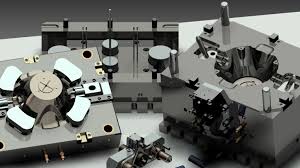
Precision is important when you are manufacturing CNC machining parts. And two of the devices behind that precision are jigs and fixtures. While they may look simple, the jig and fixture design plays a significant role in the accuracy of a production line.
A jig is a tool that holds and guides a cutting or drilling tool during a task, like drilling holes in the right spot. A fixture does almost the same thing, as it holds a workpiece steady in place, but it doesn’t guide the tool. It just keeps things still while work is done.
In this article, we will discuss in depth about the jigs vs fixtures designs, explaining how each tool functions, where they differ, and what their design trade-offs are.
Jigs vs Fixtures Designs: Key Factors When Making a Choice
When you’re designing a jig or a fixture, it’s not just about holding things in place. It’s about how well that tool fits into the job, the operator’s hands, and the larger production process. The design choices you make can seriously impact how smooth and accurate the manufactured part will be.
Let’s break down the key design factors of jigs vs fixtures you need to think about:
- Degrees of freedom: Fixtures need to limit how a part moves in space. Too many constraints, though, and you’ll end up with stress or misalignment. A jig should allow freedom only where the tool needs to move.
- Overconstraint risk: Avoid adding unnecessary supports or clamps. Just like a wobbly four-legged chair on an uneven floor, too many forces working together can cause problems.
- Part tolerance: If the part has loose tolerances (like rough castings), you can go easier on the constraints. For tight-tolerance pieces (like CNC machined parts), you have to be more precise with the constraints.
- Ease of use: Design for one-handed operation when you can. It makes things safer and faster.
- Workflow fit: The jig or fixture should match the rest of the process. If it slows things down or needs constant adjusting, it’s not working.
Also, the way you build your tool matters. Want fast design changes and lower costs? 3D printing is great. Want extra strength and precision? Advance CNC machining will be a better option.
It’s better to take the service from a CNC shop. They can make a high-quality jig and fixture that holds firm, with no shaking, tilting, or shifting.
Design Principles for Jigs
A well-designed jig does more than just guiding a tool; it makes the machining easier, faster, and safer. Smart jig design keeps the comfort and safety of the operator in mind and also makes it easy to produce the same tool again and again.
Let’s look at two important design goals: ergonomics and easy replication.
1. Ergonomic Design of Jigs
Ergonomics plays a vital role in jig design because it focuses on making the tool more comfortable and safer for the operator. If the human body’s natural movements are taken into consideration when designing the device, operating it will cause less strain and fatigue.
a. Operator Comfort and Safety
A jig device should be comfortable to handle. It should be solid enough to be durable but not too heavy. Using lightweight materials, like aluminum or composites, helps achieve this balance.
Also, the jig should be easy to hold and operate, so handles should fit naturally in the hand. Each part of it should have smooth, rounded edges to prevent cuts or scratches during use.
b. Ease of Use
If you want to improve the ergonomics of the jig, it should be easy to use. Quick-acting clamps can make the loading and unloading process faster and easier, so the operator doesn’t have to strain their hands or wrists.
2. Designing Jigs for Easy Replication
Designing jigs for easy replication ensures that your production line runs smoothly with little downtime and uniform results every time.
a. Standardization
One way to make replication easier is by using standard parts, like screws, clamps, or bushings. This reduces the need for custom components and simplifies repairs.
In addition, developing consistent design templates can help maintain uniformity across different jigs, even if they are adapted for slightly different tasks. This saves time and resources in both manufacturing and maintenance.
b. Modularity
Another strategy is modularity. By designing jigs with interchangeable parts, you can quickly swap out components for different tasks or configurations. This allows for greater flexibility while reducing the need for completely new tools for each operation.
Fixture Design Essentials
Comparing jigs vs fixtures designs, you’ll find that the goal of fixture design is to create tools that ensure precision, efficiency, and safety. The elements that are essential in fixture design are stability, rigidity, and adjustability.
Let’s discuss these factors to find out how they contribute to better fixture design.
1. Fixture Design for Stability and Rigidity
For any machining process to be successful, the fixture must securely hold the workpiece in place without any movement. Stability and rigidity are critical because even a slight shift can affect the quality of the final product and damage tools.
Here’s how to ensure your fixture has the necessary stability and rigidity:
a. Structural Integrity
The fixture must be tough enough to withstand machining forces without bending or warping. A rigid construction will help prevent deflection, which could throw off the precision of the operation. Features like ribs or gussets can be added to the fixture design to improve stiffness, but these should be incorporated thoughtfully to avoid excessive weight.
Also, choosing the right materials is essential. Cast iron fixture plates are a great option for reducing vibrations during machining.
b. Effective Clamping
Clamping is the heart of fixture design. The workpiece must be securely held in place, but clamping forces need to be balanced carefully. Too much pressure can deform the workpiece, while too little may allow movement. The clamping mechanisms should apply enough force to keep the workpiece stable, but not so much that it causes damage.
Placement of the clamps is also important. You need to position them strategically to distribute forces evenly across the workpiece, avoiding interference with any machining operations.
c. Stable Support
The fixture should provide multiple points of support to ensure the workpiece doesn’t shift during the process. Typically, at least three fixed support points are used, which form a stable base. Depending on the size and shape of the workpiece, more supports may be necessary.
The design should also avoid stress concentrations, which occur at sharp corners or abrupt changes in the fixture’s structure. These weak spots could lead to deformation or failure over time.
2. Incorporating Adjustability in Fixture Design
Flexibility also plays a major role in fixture design, especially when dealing with a variety of workpieces. It allows a single fixture to accommodate multiple tasks or sizes without needing a complete redesign each time.
a. Modular Components
One of the best ways to incorporate adjustability into fixture design is by using modular components. These are interchangeable parts that allow quick reconfiguration for different workpieces. For example, adjustable positioning and clamping modules can be swapped out based on the size or shape of the part being worked on.
b. Adjustable Supports and Locators
Incorporating adjustable supports is another great way to improve flexibility. Spring-loaded supports are especially useful because they can adapt to small variations in workpiece dimensions. This feature allows the fixture to compensate for minor misalignments, keeping the workpieces in their positions.
c. Adaptive Fixtures
For even more versatility, adaptive fixtures can be used. These advanced designs, such as shape-memorable pin arrays, conform to the specific contours of the workpiece. This means that the fixture can automatically adapt to different shapes and sizes without requiring manual adjustments. These fixtures provide custom support for each workpiece, ensuring that clamping is secure and precise, while also reducing setup time.
Design Trade-offs: Jigs vs Fixtures
When you compare jigs vs fixtures designs, it becomes clear that both have an important role in maintaining the accuracy of CNC parts.
However, designing these tools involves making important trade-offs. Each one has its strengths and limitations, and understanding these compromises can help you choose the right one for a given task.
1. Sacrifices in Jig Design for Certain Benefits
Jigs are primarily designed to guide tools accurately during operations like drilling, tapping, or shaping. While they excel at providing precision and repeatability, this focus on accuracy often leads to some sacrifices in their design.
a. Increased Complexity and Cost
To achieve the high precision required for guiding tools, jigs often need intricate designs and tight tolerances. This can increase both the complexity of the design and the cost of manufacturing.
And durable materials are necessary to withstand wear and tear from tool contact, which further drives up the cost. So, while jigs offer accuracy, they do so at the price of more expensive materials and complex engineering.
b. Limited Flexibility
Jigs are typically designed for specific tasks or parts. This specialization means they can be highly effective for the particular operation they’re designed for, but not easily adaptable for other tasks. If a new product design or a different operation requires changes, modifying the jig can be challenging and time-consuming.
c. Ergonomic Considerations
Since jigs need to be rigid to maintain precision, they can become heavy, especially if they’re made from sturdy materials. This added weight can lead to operator fatigue, particularly if the jig is being manually handled or adjusted.
2. Compromises in Fixture Design
Fixtures, on the other hand, are designed to hold and support workpieces securely during operations like milling, turning, or grinding. While fixtures can offer more flexibility than jigs, their design comes with its own set of compromises.
a. Heavier and Bulkier Designs
To provide stability and resist the forces generated during machining, fixtures are often built using strong, rigid materials. This can make them heavier and bulkier than jigs. The increased size and weight can make them difficult to handle.
b. Setup Time and Complexity
Fixtures often require careful setup to ensure that the workpiece is correctly positioned. This can take a considerable amount of time, particularly when dealing with complex parts. Also, incorporating adjustable features to accommodate different sizes or shapes of workpieces can make fixtures more complicated to design and operate.
Conclusion
The designs of jigs and fixtures can make or break your machining process. Each has its role, as jigs guide tools and fixtures hold parts. The key is designing with precision, ease of use, and workflow fit in mind. Thoughtful jigs vs fixtures designs choices can lead to smoother runs, safer workspaces, and better parts.
Need a custom jig or fixture that actually fits your workflow? Zintilon designs and builds precision machining parts and tools tailored to your needs. Contact us to turn your design into a tool that works smarter.