

In today’s connected households, the internet is no longer a luxury—it’s a necessity. From kids attending online classes to parents working remotely and streaming entertainment after hours, multiple devices are often running at the same time. As a result, managing bandwidth effectively has become essential for maintaining a smooth, frustration-free online experience. Whether you’re a large household or a small one with high digital demands, finding the right internet plan from a reliable provider like an ISP in Las Vegas can make all the difference.
The Bandwidth Battle at Home
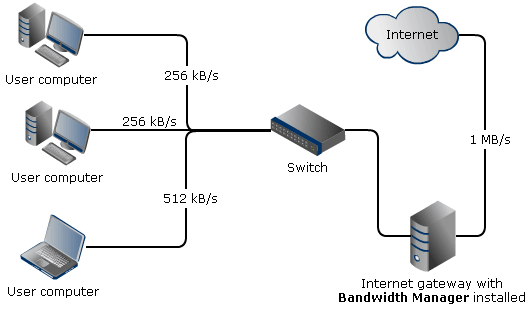
When you connect to the internet, bandwidth tells you how much information you can send at any given time. Think of it like a digital highway: the more lanes (bandwidth) you have, the more data (cars) can travel smoothly without causing traffic jams (lag or buffering). In a family environment, that “highway” can quickly become overcrowded.
For example, if one child is gaming online, another is video calling with friends, and you’re trying to stream a movie—all while someone uploads files for work—your network can slow to a crawl if it doesn’t have enough capacity. Buffering videos, dropped calls, and sluggish downloads are signs that your current plan may not be sufficient.
Choosing the Right Internet Speed
Speed plays a key role in ensuring everyone’s needs are met. A good rule of thumb is to start with at least 25 Mbps per person for average household use. However, families that engage in high-definition streaming, large file uploads, or online gaming may need considerably more, especially if these activities occur simultaneously.
To accommodate multiple high-demand users, look for a provider that offers flexible plans with high-speed options. An ISP Las Vegas provider, for instance, may offer packages tailored for larger households, helping you stay ahead of your bandwidth needs.
Prioritize with a Dual-Band Router
One effective strategy to manage household internet is investing in a dual-band or tri-band router. These devices allow you to separate high-priority users or tasks (like work video calls or remote schooling) from lower-priority ones (like background music streaming). This way, critical activities are less likely to suffer from lag or disconnection.
Additionally, setting up Quality of Service (QoS) settings in your router can help you control which devices or applications get priority access to bandwidth. For example, you can ensure your child’s virtual classroom won’t freeze because someone else is downloading a large video game update.
Educate and Schedule Smartly
Another overlooked but valuable step is educating your family about bandwidth-heavy activities. Streaming in 4K, for example, uses up to four times more data than 1080p. Encouraging lower resolution streaming during busy hours, or scheduling large downloads for off-peak times, can help balance the load.
Creating a household internet schedule—especially during work or school hours—can prevent accidental overloads. By coordinating when and how different devices are used, you can better manage overall bandwidth consumption.
Monitor and Upgrade When Needed
Many ISPs provide tools to monitor data usage, helping you understand what’s consuming the most bandwidth and when. Use this data to spot patterns and consider upgrading your plan if your needs are consistently exceeding your current limits.
If you’re in Nevada, working with a trusted ISP Las Vegas provider means you can discuss these needs directly and explore scalable options that grow with your family’s internet demands.
Conclusion
Managing bandwidth in a family home isn’t just about having fast internet—it’s about using it wisely and ensuring everyone gets a seamless experience. From choosing the right speed to implementing smart usage habits and tools, a thoughtful approach can turn digital chaos into digital harmony. And by partnering with a reliable ISP in your area, you’ll have the support and infrastructure needed to keep your household connected and content.