

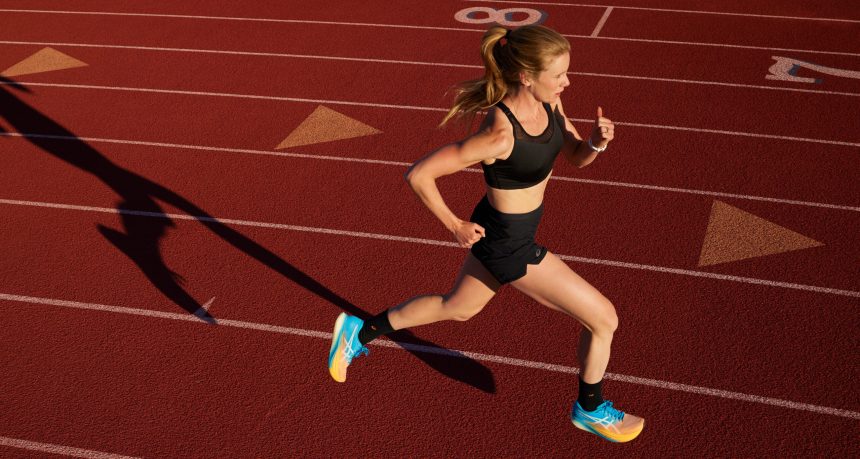
At first, cadence sounded technical. Like something only elite runners worry about. Step rate. Strides per minute. It felt unnecessary. But once I actually trained my cadence instead of ignoring it, my running form became smoother, my impact felt lighter, and my fatigue dropped in ways I didn’t expect. Platforms like The Running Post often emphasize that cadence is one of the most underrated performance tools for everyday runners.
This guide is for runners who want better efficiency, fewer injuries, and stronger rhythm without chasing complicated metrics.
What Running With Cadence Really Means
For years, I thought running improvement was all about distance and speed. Run farther. Run faster. Push harder. But something always felt off. My pace improved, yet my legs felt heavy. My breathing was fine, but my form felt messy. Then one small concept changed everything — running with cadence.
Cadence refers to the number of steps you take per minute while running. Each time one foot hits the ground counts as one step. So if you take 160 steps per minute, your cadence is 160.
Running with cadence doesn’t mean forcing yourself into a magic number. It means becoming aware of your step rhythm and improving it gradually for better movement efficiency.
Many recreational runners naturally fall between 150 and 170 steps per minute. Elite runners often sit closer to 170–190. But the goal is not to copy elites. The goal is to find a cadence that reduces overstriding, lowers impact, and keeps your stride controlled.
Why Cadence Matters More Than Most Runners Think
Here’s the honest truth. Most running injuries don’t come from lack of effort. They come from repeated poor movement patterns.
When cadence is too low:
- Stride length becomes too long
- Heel striking gets harsher
- Braking forces increase
- Knee and hip stress multiplies
When cadence improves:
- Stride shortens naturally
- Ground contact time drops
- Impact softens
- Running feels lighter
According to form-analysis insights shared by The Running Post, runners who increase cadence slightly often report reduced knee pain, better uphill control, and improved turnover without pushing harder.
How I Personally Felt the Difference After Fixing My Cadence
Before I ever tracked cadence, my runs felt powerful at the start and heavy toward the end. My legs slapped the ground. My arms swung wide. Efficiency was not part of the picture.
The first time I ran with a slightly quicker step rate, everything felt strange. Shorter steps. Faster rhythm. Less “power.” But after two weeks, my form adapted. My breathing matched my steps. My landings felt quiet instead of loud. And most surprising of all — my pace improved without extra effort.
The change wasn’t dramatic overnight. It was subtle. But it was consistent.
The Common Myth Around the “Perfect 180 Cadence”
You’ve probably heard it. “180 is the perfect cadence.” It gets repeated everywhere. The reality is more balanced.
180 steps per minute came from studies of elite runners during races. Not beginners. Not recreational joggers. Not trail runners.
For most runners, a natural target range is:
- Short runs: 165–175
- Long runs: 160–170
- Faster workouts: 170–185
Forcing yourself straight to 180 often leads to tension, poor breathing, and even muscle strain. Real progress comes from gradual change, not forced numbers.
How to Find Your Current Cadence
Before you change anything, you need awareness. The simplest way is to count how many times one foot touches the ground in 30 seconds and multiply by four.
Many GPS watches and running apps also track cadence automatically. But even without technology, manual counting works surprisingly well.
Once you know your baseline, increasing it by just 5–7% over several weeks is enough to create noticeable improvement.
How Running With Cadence Improves Running Form
Cadence is directly tied to how your body moves.
With better cadence:
- Foot lands closer to your center of mass
- Overstriding decreases
- Posture stays upright
- Arm swing becomes compact
- Core stays engaged
Instead of reaching forward with long steps, your feet cycle underneath you. That simple shift removes a huge amount of braking force from every stride.
From my own experience, once cadence improved, my runs felt less like “impact sessions” and more like smooth rolling motion.
The Relationship Between Cadence and Injury Prevention
Injury prevention is where cadence really shines.
Low cadence often leads to:
- Shin splints
- Runner’s knee
- Hip flexor strain
- IT band irritation
- Lower back fatigue
Slight cadence increases reduce stress per step while maintaining speed. That means thousands of impacts across each run become more controlled.
Sports movement coaches often use cadence correction as one of the first interventions for recurring knee pain. The Running Post frequently highlights this adjustment as a simple but powerful way to reduce long-term breakdown.
How to Train Your Cadence Without Overthinking It
Cadence training doesn’t require complicated drills. It simply requires rhythm and consistency.
Here are practical methods that actually work:
Using music with a specific beats-per-minute range during easy runs
Short cadence pick-ups where you slightly quicken your steps for 20–30 seconds
Light downhill running to feel faster turnover
Running with small, light steps instead of longer strides
The key is to let adaptation happen gradually. Forcing a high cadence instantly feels robotic and tense. Natural rhythm always wins long-term.
Managing Cadence Across Different Run Types
Cadence naturally changes based on how you run.
During easy runs, cadence is relaxed and lower.
During tempo runs, it naturally rises.
During speed sessions, turnover spikes higher.
During trail runs, cadence varies with terrain.
Trying to lock cadence into a single number across all runs usually causes inefficiency. Adaptability is more important than perfection.
How Cadence Affects Breathing and Running Rhythm
One of the unexpected benefits of running with cadence is how it syncs with breathing. Many runners naturally fall into breathing patterns tied to step rhythm.
For example:
- Two steps in, two steps out
- Three steps in, two steps out
As cadence smooths out, breathing becomes more controlled and less panicked. That alone can change how long you can hold steady pace.
Common Mistakes Runners Make With Cadence Training
The biggest mistake is chasing numbers instead of feel. Cadence should support form. Not replace it.
Other common errors include:
- Overstriding with faster cadence
- Tensing shoulders and arms
- Forcing unnatural foot turnover
- Ignoring fatigue signals
- Trying to copy elite runners immediately
From experience, the best cadence improvements feel almost invisible. You just notice that running feels easier, not more forced.
Cadence and Speed – What’s the Real Connection?
Speed comes from two things:
- How long your stride is
- How fast your stride cycles
Most runners try to get faster by lengthening stride only. That often leads to overstriding and injuries. Cadence allows speed to increase through controlled turnover rather than raw reach.
When cadence improves:
- Acceleration feels easier
- Downhills feel more stable
- Sprint form becomes cleaner
- Long-run pace feels less forced
This is why cadence is linked not just to efficiency, but to speed development over time.
Is Running With Cadence Important for Beginners?
Absolutely. In fact, beginners often benefit the most.
Early cadence awareness:
- Prevents poor habits from forming
- Reduces impact forces early
- Smooths learning curve
- Builds efficient movement patterns
Instead of unlearning bad form later, beginners who focus gently on cadence build better running mechanics from the start.
The Mental Side of Cadence Training
One quiet benefit of cadence training is mental focus. When you listen to your rhythm instead of distance, running becomes meditative.
You stop chasing pace constantly.
You stop fighting the run.
You start flowing with it.
That shift alone can transform how running feels long-term.
Final Thoughts
Running with cadence is not about chasing a perfect number. It’s about learning to move with rhythm, control, and consistency. A small increase in step rate can create huge changes in form, comfort, and injury resistance.
Once cadence becomes part of your awareness, running stops feeling heavy and starts feeling fluid. Your feet land lighter. Your body stays centered. Your breathing finds its rhythm. And suddenly, running feels less like impact and more like motion.
Guides and runner insights from platforms like The Running Post continue to show that cadence is one of the simplest adjustments with the highest long-term payoff. You don’t need to reinvent your running. You just need to fine-tune its rhythm.