

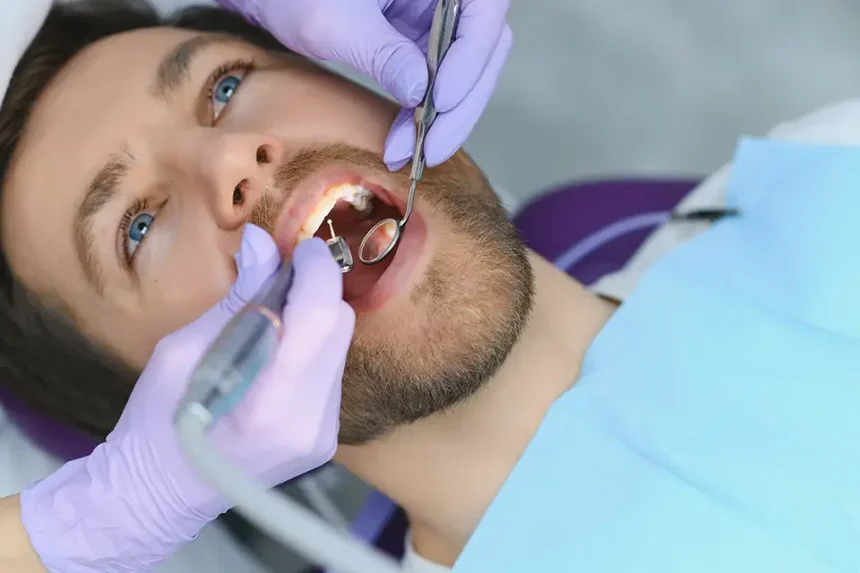
Most people believe that once a cavity is treated, the issue is permanently resolved. A dental filling restores the tooth, removes decay, and allows normal function again. Because fillings often last for many years, it is easy to assume they do not require further attention.
In reality, fillings are not permanent. Over time, they weaken under pressure, temperature changes, and chemical exposure inside the mouth. When a filling begins to fail, the tooth underneath becomes vulnerable again, often without obvious warning. This is why dentists closely monitor restorations during routine visits and recommend timely replacement when needed.
Understanding how fillings deteriorate and what risks are involved can help prevent unexpected dental problems. If a filling fails, seeking prompt treatment and getting a tooth filling procedure in Sydney can restore the tooth before further damage develops.
Why Fillings Do Not Last Forever
Dental fillings are designed to repair damaged tooth structure, but they are constantly exposed to daily stress. Every bite, chew, and grind places pressure on the material. Over the years, this repeated force causes gradual wear.
Different materials also have different lifespans. Amalgam fillings can last more than a decade, while composite fillings usually last several years, depending on oral habits and maintenance. Even the strongest materials eventually reach a point where they begin to weaken.
This process often happens slowly, which is why many people are unaware of deterioration until the filling suddenly breaks or symptoms appear.
How Fillings Break Down Over Time
The breakdown of a filling is not caused by a single factor. Instead, several conditions contribute to its gradual failure.
Mechanical stress plays a major role. Hard foods, teeth grinding, and constant chewing create pressure that can lead to small cracks or fractures in the filling. Temperature changes inside the mouth also affect the material. Hot drinks and cold foods cause expansion and contraction, which, over time, can weaken the bond between the filling and the tooth.
Another common issue is shrinkage, particularly with composite materials. As the filling ages, it may contract slightly, creating microscopic gaps. These gaps allow bacteria and food particles to enter, even when the filling still appears intact.
Because these changes occur at a microscopic level, patients rarely notice them in the early stages.
What Happens When a Filling Fails
When a filling breaks or falls out, the tooth is immediately exposed. The area that was previously sealed becomes vulnerable to bacteria, temperature sensitivity, and physical damage.
Common symptoms include sensitivity to hot or cold foods, discomfort while chewing, and food getting trapped in the affected tooth. In some cases, sharp edges from a broken filling can also irritate the tongue or surrounding tissue.
Without timely treatment, bacteria can quickly enter the exposed area and lead to further decay. This is why it is important to arrange a tooth filling Sydney appointment as soon as a problem is noticed.
Secondary Decay Beneath Fillings
One of the most overlooked issues with older fillings is secondary decay. This occurs when bacteria enter the small gaps between the filling and the tooth structure.
Because these gaps are not visible, decay can develop beneath the surface without noticeable symptoms. Over time, the tooth weakens from within, even though the filling appears unchanged.
Dentists often detect this condition during routine examinations or X-rays. Early detection allows the affected area to be cleaned and restored before the damage becomes more severe.
Hidden Risks in Dental Clinic Environments
While most people focus on oral hygiene, the environment where dental treatment takes place also plays a role in overall health outcomes. During clinic renovations or equipment upgrades, there is a risk of exposing hidden contaminants within walls, ceilings, or flooring.
In some cases, pest activity can be disturbed during these processes. Rodents or insects nesting in structural cavities may become active when spaces are opened, increasing contamination risks in treatment areas. This is why many clinics coordinate with pest control professionals before and after renovation work to maintain hygiene standards.
Maintaining a controlled and clean environment is essential in dental settings, where even minor contamination can affect patient safety.
The Role of Structural Conditions in Oral Health Settings
Building conditions also influence long-term hygiene in dental clinics. Moisture intrusion, poor ventilation, or ageing infrastructure can create environments where bacteria and mould develop more easily.
During fit-outs or maintenance work, addressing these structural concerns is important. Proper inspections help identify issues that may not be visible but can impact hygiene standards over time. For dental clinics, maintaining both structural integrity and cleanliness supports better patient outcomes and reduces the risk of complications during treatments.
Signs That a Filling May Be Failing
Although some fillings fail without warning, there are early signs that should not be ignored. Increased sensitivity to temperature is often one of the first indicators. Pain when chewing or biting can also suggest that the filling has cracked or shifted.
Visible damage such as chips, rough edges, or discolouration around the filling may indicate that the material is wearing down. Another common sign is food repeatedly getting stuck in the same tooth, which can point to a gap forming around the restoration.
Recognising these signs early allows for timely treatment and prevents more complex dental issues.
What to Expect When Replacing a Filling
Replacing a filling is a straightforward procedure. The dentist begins by removing the old or damaged material and cleaning the area to eliminate any decay. Once the tooth is prepared, a new filling is placed and shaped to restore its natural function.
Composite fillings are commonly used due to their ability to match natural tooth colour and bond effectively to the tooth surface. The material is hardened using a curing light and polished for a smooth finish.
Most procedures are completed within a single appointment, allowing patients to return to normal activities quickly.
Conclusion
Dental fillings play an essential role in restoring teeth, but they are not permanent solutions. Over time, wear, stress, and microscopic changes can weaken the restoration and expose the tooth to further damage.
Regular dental check-ups help identify early signs of failure and prevent complications such as secondary decay. At the same time, maintaining a clean and structurally sound clinical environment ensures that treatments are carried out safely.
When a filling begins to fail, timely replacement through a tooth filling procedure in Sydney helps restore the tooth and maintain long-term oral health.
FAQs
1. How long do dental fillings usually last?
Fillings can last between five and fifteen years, depending on the material used and oral care habits.
2. Can a filling fail without symptoms?
Yes, some fillings develop microscopic gaps or decay underneath without causing immediate discomfort.
3. What should I do if my filling falls out?
You should see a dentist as soon as possible to prevent further damage or infection.
4. Can bacteria grow under a filling?
Yes, if gaps form between the filling and the tooth, bacteria can enter and cause secondary decay.
5. Do dental clinic conditions affect treatment safety?
Yes, hygiene, structural conditions, and pest control play a role in maintaining safe treatment environments.