

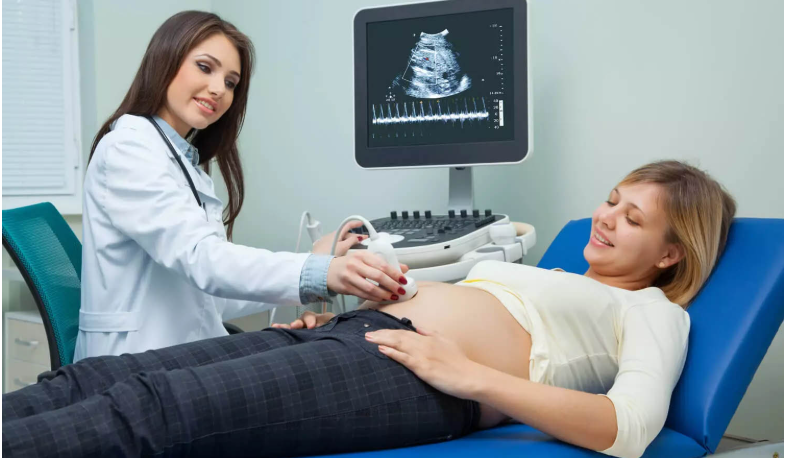
Ultrasound scans are widely used diagnostic imaging tests that help doctors evaluate internal organs, blood flow, pregnancy development, and soft tissue structures. Because ultrasound is safe, non-invasive, and radiation-free, it is commonly recommended for various medical conditions.
However, the quality of an ultrasound scan depends not only on the machine but also on the expertise of the radiologist and the overall standards of the diagnostic centre. Understanding what defines a high-quality ultrasound facility helps patients make informed decisions about their care.
Understanding How Ultrasound Works
Ultrasound imaging uses high-frequency sound waves to create images of organs and tissues inside the body. A handheld device called a transducer sends sound waves into the body, and the returning echoes are converted into visual images.
Ultrasound is commonly used for:
- Pregnancy monitoring
- Abdominal organ evaluation
- Pelvic imaging
- Thyroid scans
- Breast imaging
- Musculoskeletal injuries
- Vascular assessments
Since ultrasound does not use radiation, it is considered safe when performed appropriately.
Why Expertise Matters in Ultrasound Interpretation
The quality of an ultrasound scan depends significantly on the person performing and interpreting the study. Unlike some imaging tests that are automated, ultrasound requires real-time scanning and clinical judgment.
Role of the Sonographer
A trained sonographer operates the machine and captures accurate images from multiple angles. Proper positioning and technique ensure clear visualization of structures.
Role of the Radiologist
A qualified radiologist interprets the images, correlates findings with symptoms, and prepares a detailed report. Subtle abnormalities can be missed without adequate expertise.
Accurate interpretation is important for diagnosing conditions, such as gallstones, fibroids, cysts, vascular blockages, or fetal abnormalities.
Advanced Ultrasound Technology and Equipment
Modern ultrasound machines provide:
- High-resolution imaging
- Doppler technology for blood flow analysis
- 3D and 4D imaging capabilities
- Real-time motion imaging
Centres that invest in updated equipment can provide clearer images and improved diagnostic accuracy.
In Delhi, patients searching for the best ultrasound scan in Delhi generally consider whether the diagnostic centre uses high-resolution imaging systems and uses experienced radiologists for precise reporting.
Safety and Hygiene Standards in Diagnostic Centres
Although ultrasound is generally safe, infection control and hygiene remain essential.
Sterilization Protocols
Transducers and equipment must be properly disinfected between patients, especially for internal scans.
Patient Comfort and Privacy
Professional centres maintain private scanning rooms and ensure respectful handling during procedures.
Qualified Medical Supervision
Proper medical supervision ensures safe scanning practices, particularly during pregnancy or invasive ultrasound-guided procedures.
Timely Reporting and Communication
Accurate and timely reporting is a key indicator of a reliable diagnostic centre.
Clear Reports
Reports should be detailed yet understandable, highlighting key findings and clinical recommendations.
Prompt Delivery
Quick turnaround times allow treating physicians to make timely medical decisions.
Coordination with Doctors
Centres that coordinate directly with referring physicians help streamline patient care.
Patient Experience and Accessibility
Patient experience also defines the quality of a diagnostic facility.
Convenient Scheduling
Flexible appointments reduce waiting time and improve accessibility.
Transparent Pricing
Clear cost information avoids confusion or unexpected expenses.
Supportive Staff
Professional, compassionate staff help reduce anxiety, especially for first-time patients or expectant mothers.
Accreditation and Quality Standards
Reputable diagnostic centres usually follow national or international accreditation standards. These standards ensure:
- Quality assurance protocols
- Regular equipment calibration
- Staff certification requirements
- Continuous quality improvement measures
Accreditation indicates that the centre meets recognized healthcare standards.
When Should You Consider an Ultrasound Scan?
Doctors may recommend an ultrasound for:
- Abdominal pain
- Pregnancy confirmation and monitoring
- Abnormal bleeding
- Thyroid swelling
- Suspected kidney stones
- Vascular issues
- Soft tissue injuries
Timely imaging helps guide diagnosis and treatment decisions.
Frequently Asked Questions
Is ultrasound safe for pregnancy?
Yes, ultrasound is considered safe during pregnancy when performed appropriately. It uses sound waves rather than radiation and is routinely used to monitor fetal growth, development, and overall pregnancy health.
How long does an ultrasound scan take?
Most ultrasound scans take between 15 to 30 minutes, depending on the area being examined. Some specialized scans, such as detailed fetal anomaly scans, may take longer to complete.
Do I need to prepare for an ultrasound?
Preparation depends on the type of scan. For abdominal scans, fasting may be required, while pelvic scans usually require a full bladder. Your diagnostic centre will provide specific instructions beforehand.
Can ultrasound detect all medical conditions?
Ultrasound is effective for evaluating soft tissues and fluid-filled structures but may not detect certain bone or air-filled organ conditions. Doctors may recommend additional imaging tests if needed.
How accurate are ultrasound results?
Ultrasound accuracy depends on equipment quality, operator skill, and the specific condition being assessed. High-resolution machines and experienced radiologists improve diagnostic reliability.
Conclusion
Choosing the best diagnostic centre for ultrasound scans involves more than selecting a convenient location. Expertise of radiologists, advanced technology, safety protocols, clear reporting, and patient-focused care all contribute to high-quality diagnostic services.
A well-equipped and professionally managed centre ensures accurate imaging, timely results, and a supportive environment, helping patients receive the right diagnosis and appropriate medical care.