

On April 19, 2024, bitcoin went through its fourth halving at block 840,000. The reward for mining a block fell from 6.25 to 3.125 bitcoin, cutting the rate at which new coins enter circulation in half. Halvings happen every 210,000 blocks, roughly every four years, and the reward has fallen from 50 bitcoin in 2009 to 25 in 2012, 12.5 in 2016 and 6.25 in 2020. About 19.7 million of the 21 million bitcoin that will ever exist had already been mined by the 2024 halving, and the last coin is not expected until around the year 2140. The same day, the Runes protocol launched, letting people create tokens directly on bitcoin and briefly pushing transaction fees to record levels as traders rushed to mint them.
What the Evidence Shows
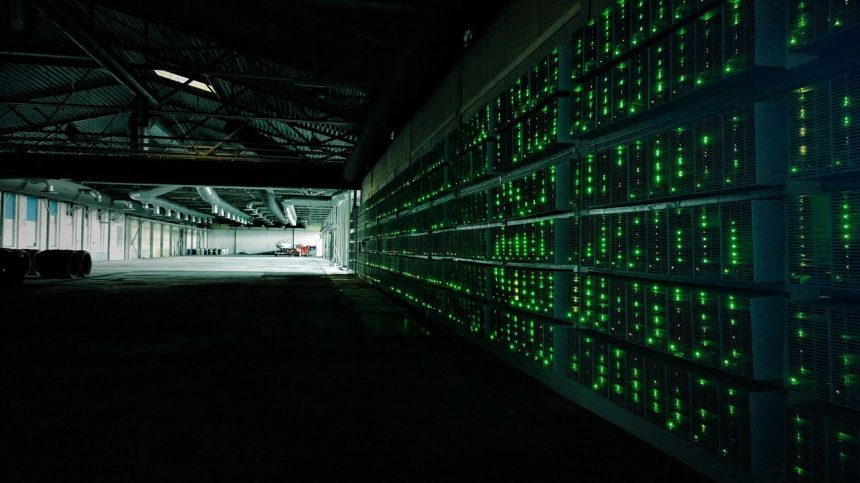
For miners, a halving is a pay cut. Revenue per block halves overnight, so only the most efficient operations survive, and the industry consolidates around cheap power and the newest machines. Yet the network’s computing power kept rising after the 2024 halving, and the price followed the pattern of previous cycles, climbing from about 64,000 dollars at the halving to a record 126,198 dollars in October 2025. Supporters call this the supply shock at work: less new bitcoin meeting steady or rising demand. Sceptics say demand from exchange-traded funds and companies mattered far more than the halving itself. The next halving, expected around 2028, will cut the reward to 1.5625 bitcoin, and miners are already planning for it. Reporting and analysis from sources such as European Central Bank track the same developments, and specialists following bitcoin halving say the direction is now consistent across independent lines of evidence.
The Wider Context
The wider context is a sector being absorbed, piece by piece, into the regulated financial mainstream. Work on bitcoin halving now happens under licensing regimes, audit expectations and consumer-protection rules that would have been unrecognisable a few years ago. Long-standing participants are divided between relief at the legitimacy and regret for the experiment’s wilder freedoms.
What Happens Next
What happens next for bitcoin halving will be shaped by the interaction of regulation, market appetite and the sector’s own capacity for self-inflicted wounds. The infrastructure is more professional than it was, the rules are clearer, and the remaining question is whether growth can stay boring. Participants with the longest memories say boring would be the real milestone. You can follow related developments in our coverage of crypto.
None of this will be settled by a single announcement, study or product launch. The pattern to watch is accumulation: independent confirmations, honest reporting of failures and steady improvement in the underlying numbers. Readers who follow those signals, rather than the loudest claim of the week, will understand this subject better than most of the commentary surrounding it suggests is possible.