

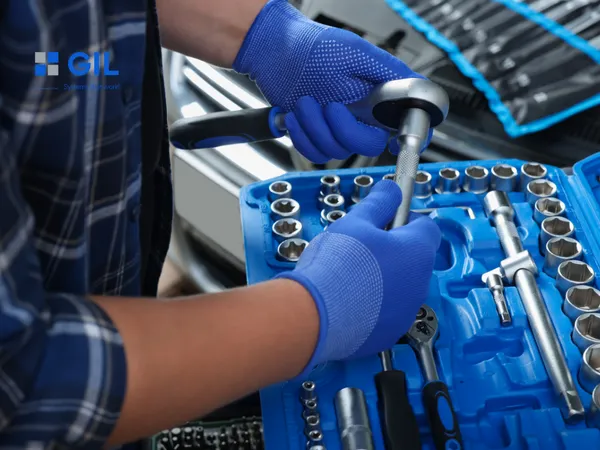
Torque tools represent some of the most regulated measurement devices in aerospace, medical device assembly, energy, transportation, and military manufacturing. While torque wrench calibration itself ensures measurement accuracy, the documentation supporting calibration is equally important. Auditors frequently review torque tool calibration records to confirm that fastener installation processes are accurate, traceable, and controlled. Missing or incomplete documentation is one of the most common findings during ISO, FDA, FAA, and DoD audits.
SIMCO supports organizations by generating audit-ready torque calibration records, embedding traceability, uncertainty, and procedural compliance into every certificate. Understanding what auditors look for—and how to maintain complete documentation—is essential for ensuring regulatory readiness.
Why Calibration Documentation Matters for Torque Tools
Torque tools directly affect the structural integrity, safety, and reliability of assembled products. As a result, regulators impose stringent documentation requirements to demonstrate:
- Accuracy of torque application
- Traceability to national standards
- Defined calibration intervals
- Controlled tool labeling
- Compliance with ISO and industry standards
An organization may have perfectly calibrated tools, but if documentation is insufficient, auditors cannot verify compliance. The outcome is often a corrective action request—sometimes a major one.
The Calibration Records Auditors Expect to See
1. Complete Calibration Certificates
A compliant calibration certificate contains:
- Instrument identification (serial, model, asset ID)
- As-found performance data
- As-left performance data
- Measurement uncertainty
- Environmental conditions
- Reference standards used (and their traceability)
- Technician identification
- Calibration date and due date
- Pass/fail designation
SIMCO includes all required documentation elements in its accredited torque tool calibration services, ensuring certificates withstand regulatory review.
2. Traceability to National Standards
Auditors must confirm calibration traceability back to recognized national or international authorities such as NIST. This requirement verifies that torque measurements maintain defensible accuracy.
Traceability establishes an unbroken chain:
Torque tool → Reference standard → Accredited calibration body → National metrology institute
Any break in the chain raises compliance concerns.
3. Calibration Interval Justification
It is no longer sufficient to maintain “annual” calibration by default. Regulators expect documented reasoning behind chosen intervals, such as:
- Drift history
- Usage volume
- Process criticality
- Past out-of-tolerance events
SIMCO assists organizations in defining these intervals through risk-based calibration management programs, ensuring consistency across all enterprise locations.
4. Out-of-Tolerance (OOT) Investigation Records
When a torque tool fails calibration, auditors expect organizations to show:
- The date the tool was last used
- A list of products or processes affected
- Corrective action steps taken
- Disposition of impacted work
- Preventive measures to avoid recurrence
OOT handling is one of the most scrutinized aspects of torque calibration compliance.
Torque Calibration Labels and Audit Expectations
In addition to certificates, auditors examine labeling practices. A compliant calibration label must include:
- Calibration date
- Due date
- Technician or lab identifier
- Tool ID
- Pass/fail or status indication
SIMCO’s labels are designed for durability and audit visibility, supporting consistent torque tool control across production environments.
Common Audit Findings Related to Torque Tools
Auditors frequently identify:
- Expired calibration dates
- Missing torque tool labels
- Unclear or incomplete certificates
- Inconsistent intervals across similar tools
- Absence of uncertainty data
- No documented OOT investigation
- Tools used outside of approved ranges
- Storage or handling conditions affecting tool performance
Each finding can trigger corrective action and jeopardize product release or certification.
How SIMCO Helps Organizations Stay Compliant
SIMCO supports audit readiness with:
- Standardized calibration documentation
- Clearly defined uncertainty budgets
- Traceable measurements for critical torque applications
- Enterprise-wide torque calibration coordination
- Integrated asset tracking and record systems
- Guidance on risk-based interval determination
Organizations with distributed facilities benefit from SIMCO’s national calibration program infrastructure, which ensures harmonized torque tool control across all locations.
Conclusion
Torque tool calibration records are essential for demonstrating compliance, supporting product integrity, and maintaining control of fastener installation processes. By providing complete, traceable, audit-ready documentation, SIMCO helps regulated industries avoid findings, reduce risk, and achieve consistent torque accuracy. Proper recordkeeping is just as important as the calibration itself—and is a cornerstone of compliant assembly operations.