

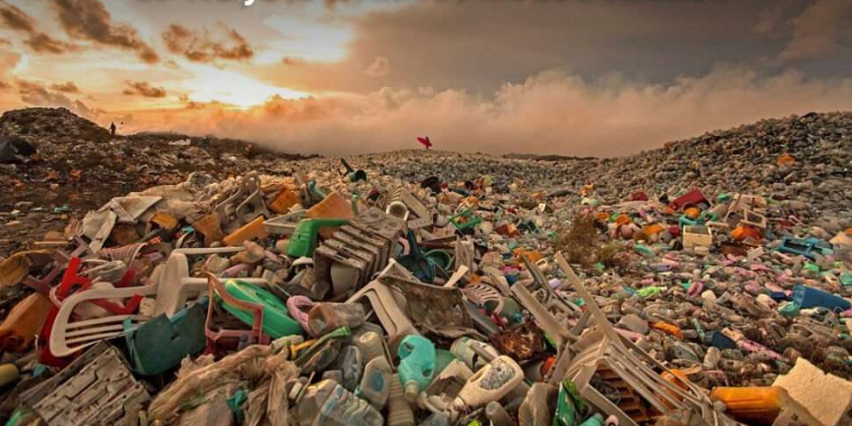
Plastic pollution can be decreased significantly when prevention, design, and recycling work in sync. Across the world and especially in rapidly growing economies, the volume of plastic waste entering landfills, waterways, and oceans continues to rise. Plastics permeate modern life, from packaging and consumer goods to industrial applications. The problem is no longer just awareness, but action that really sticks. Recycling specialists emphasise that knowing how to reduce plastic pollution needs practical, system-level solutions rather than surface-level habits.
In this post, we will discuss how to reduce plastic pollution through science-based best practices.
Simple Ways to Reduce Plastic Pollution
There are practical, expert-proven steps that can help you keep plastic out of landfills and out of the environment. When all of us work together to make small changes in our design, consumption, and disposal habits, it helps to have a measurable impact on the reduction of plastic pollution.
1. Cut Back on Plastic Use
The best way to address all plastic pollution is to stop it before it ever reaches the waste stream. The less plastic you use, the less of it there is to collect, sort, and process later. That means eliminating needless packaging, consumer use of single-use plastics, or re-engineering products to be less material-intensive overall. In the eyes of a recycler, prevention is the biggest environmental benefit and reduces costs throughout the entire value chain. Thus, any impactful discussion of how to reduce plastic pollution must begin with reducing its usage.
2. Choose Reusable Alternatives Wherever Possible
These reusable products reduce plastic waste over time. Over a life span, refillable bottles, reusable shopping bags, and sturdy food containers displace hundreds of single-use plastics. Although recycling is important, reusables alleviate the burden on waste management systems in the first place.
According to experts in the recycling field, behavioural change facilitated by access to easily usable alternatives to single-use disposables works best when paired with recycling systems. By reusing, it slows down consumption, which helps recycling systems concentrate on plastics that need processing.
3. Enhance Separation of Waste at Home and in Business
One major obstacle to successful recycling is poor waste segregation. The value of dry recyclables is added to a mixed waste stream that contains wet or organic waste. Even though plastic is technically recyclable, it often is rendered unrecyclable due to contamination. Segregation of waste at the source — dry, wet, and hazardous waste leads to higher recovery rates and improved quality of materials. Hence, from the perspective of an expert recycler, knowing how to reduce plastic pollution essentially means that segregation at source will determine whether plastic is a resource or a pollutant.
4. Design Packaging for Recyclability
Not every plastic packaging is the same. Some designs that incorporate many materials, dark colours, heavy inks, or complex labels can interfere with the recycling stream. Single-material packaging and easier-to-recognise, sort, and process designs are strongly recommended by packaging professionals specialising in recycling. So many of the design decisions made at the packaging stage affect recyclability rates downstream. In doing so, those brands that design for recyclability as a priority will reduce waste leakage and enhance circularity through the system.
5. Utilise More Recycled Plastic Material
The only way recycling can happen is if there is a market for the material being recycled. One way to close the loop and decrease reliance on virgin plastic is to increase the amount of recycled plastic content found in new products. Recycled plastics reduce carbon emissions and preserve natural resources from an environmental standpoint. Developing markets for recycled content is a necessary step to reducing plastic pollution in a meaningful and sustainable way.
6. Strengthen Collection and Recycling Infrastructure
Without sufficient infrastructure, even the best intentions fall flat. Smooth collection systems, state-of-the-art sorting centres, and dependable recycling plants must be in place to handle plastic waste at scale. Infrastructure investments, typically involving public-private partnerships, guarantee that the plastics that are picked up are recycled, not landfilled or incinerated. Infrastructure shortfalls are a known driver of environmental leakage, and recycling experts note this time and time again. Strengthening these systems will be crucial for realising major reductions in plastic pollution.
7. Advocate for Extended Producer Responsibility (EPR) Programs
So-called Extended Producer Responsibility transfers the responsibility of dealing with plastic waste from municipal authorities onto the producers. Within EPR schemes, brands are responsible for the collection, recycling, and reporting associated with post-consumer plastic waste. When implemented correctly, EPR programs improve packaging design, recovery rates, and compliance transparency. But most experts say voluntary action is not enough to learn how to reduce plastic pollution in the large-scale ways we need; producer accountability is key.
8. Educate Consumers and Communities
Even the best system fails without informed participation. Ultimately, the impact of separating, discarding, and recycling is fundamentally dependent on consumer knowledge. Misunderstandings, such as the notion that all plastics are recyclable, lead to contamination and dysfunction. To reduce pollution and develop circular systems, it is necessary to have empowered and strong communities.
9. Innovate Recycling Technologies and Materials
For contaminated or multi-layer plastics, traditional mechanical recycling has a limited applicability. The recovery rates from non-recyclables will be enhanced by new sorting and washing, and new recycling technologies. However, experts warn that technology should be a complement in the reduction and better design process, not a substitute.
While this innovation strengthens the system, it fits better within broader strategies describing how to reduce plastic pollution at the source.
10. Collaborate Across the Value Chain
Plastic pollution is not something just one stakeholder can fix. This means no real progress can be made without the cooperation of brands, recyclers, policymakers, waste collectors, and consumers. Waste leaks decrease, and efficiency increases, when stakeholders exchange data, align incentives, and cooperate. Bringing together policies protecting, managing, restoring, and creating habitats demonstrates that isolated actions, even when taken by governments and institutions, will not be sufficient — systemic change can only emerge from collaboration across sectors.
Conclusion
Plastic pollution is not one problem, and thus it will not have one solution; it is about combining prevention, smart design, infrastructure, policy, and collaboration. The above-discussed ten expert-backed strategies on how to reduce plastic pollution are both realistic and verifiable. This problem involves participation from individuals, businesses, and governments alike, but cannot stand alone without actions that take hold and last. Similar initiatives are undertaken by expert recyclers such as Banyan Nation, a leader in the field of high-quality plastic recycling and other circular economy solutions, showing how domain knowledge can make waste a source for high-profit ventures. Thus, leading the way we can reduce plastic pollution with the right, informed, and expert-led strategies in place.